

 Vista previa
 Compartir
 Compartir
 Ver detalles

 Descargar
 Ver similares
 Radiografía
 Presentación de diapositivas
The Drummer


 Leer más
Reproducción al óleo hecha a mano
Óleo sobre lienzo pintado a mano en el tamaño y marco de su elección, realizado por encargo por nuestros artistas. ( Pedir impresión Comprar descarga)




P118B $10

P118H $10

P118W $10

P438Z $10

P508JH $12

P508YH $12

P805H $10

P805Z $10

P919BZ $10

P919G $10

P919XJ $10

P959ZH $10

P968JZ $12

W106C $8

W218G $10

W218JH $8

W218Y $10

W307PJ $10

W316G $10

W316PJ $8

W316Y $10

W398PJ $8

W4111J $10

W500HY $15

W500JH $15

W692G $12

W849H $8

W940BG $15

W953PJ $8




Elija entre nuestros tamaños predefinidos que respetan las proporciones originales de la obra.

Puede ingresar sus propias dimensiones para adaptarse a un marco o espacio específico. Si el tamaño seleccionado no coincide con las proporciones de la imagen original, recortaremos la obra o extenderemos la pintura con elementos adicionales pintados a mano. Se le enviará una maqueta digital para su aprobación antes de comenzar la producción.
Tenga en cuenta que la vista previa en pantalla no refleja el recorte o la extensión reales. Solo la maqueta mostrará con precisión la composición final.
Si bien existen tamaños personalizados, recomendamos seleccionar una dimensión de la lista predefinida para preservar las proporciones originales.
Tras realizar el pedido, el equipo de OriginalUniqueArt.com enviará un correo electrónico al cliente para solicitar instrucciones y proporcionarle una vista previa del boceto.
Envío a todo el mundo () en 3-4 semanas en lugar de las 5 semanas estándar. (13 agosto). Sin comprometer la calidad.

Envío exprés gratuito a todo el mundo

Lienzo de lino de alta calidad

Seguro de envío completo

Garantía de reembolso de aranceles aduaneros

Garantía de fidelidad cromática exacta

Política de devolución de 60 días (solo por defectos)

Garantía de devolución del 100% del dinero

Oferta por volumen
 La opción de vidrio solo está disponible en tamaños inferiores a 110 cm.

The Drummer
Técnica de reproducción
Tamaño de la reproducción
-


Precio total
$ 300
Descripción de la obra
A Portrait of Quiet Intensity: Exploring “The Drummer”
Isaac Lazarus Israëls’s “The Drummer,” painted circa 1885, isn't merely a depiction of a woman holding a drum; it’s a carefully constructed tableau brimming with understated emotion and a subtle commentary on the rhythms of everyday life in late 19th-century Amsterdam. Israëls, a pivotal figure within the Dutch Impressionist movement, masterfully captures a moment suspended between observation and engagement, inviting the viewer to contemplate the woman's gaze and the quiet power held within her posture.
The painting immediately draws attention to its central subject – a young woman seated in a simple wooden chair. Her attire is modest, suggesting a rural or working-class background, yet her presence exudes an unexpected dignity. She cradles a drum, not with flamboyant enthusiasm, but with a deliberate and almost reverent hold. The drum itself, rendered with meticulous detail, hints at its purpose – perhaps a source of entertainment, ritual, or even labor. Her eyes are fixed on something beyond the frame, lost in thought, creating an immediate sense of intimacy and inviting speculation about her inner world.
The Amsterdam Impressionist Palette: Technique and Style
Israëls’s technique is distinctly Impressionistic, characterized by loose brushstrokes, a vibrant yet muted color palette, and a focus on capturing the fleeting effects of light. He employs broken colors – applying paint in small, distinct strokes rather than blending them seamlessly – to create an atmospheric quality that suggests both warmth and shadow. The lighting, diffused and soft, washes over the scene, highlighting the textures of the wooden chair, the woman’s clothing, and the drum's surface. Notice how he uses subtle variations in tone to define form and volume, eschewing sharp outlines in favor of a more suggestive approach.
The composition is carefully balanced, with the woman occupying the central space while two figures – a seated man and a standing one – recede into the background. These secondary elements contribute to the sense of a lived-in scene, hinting at a domestic setting or perhaps a village gathering. The inclusion of the handbag adds another layer of detail, grounding the image in the realities of everyday life.
A Window into Dutch Society and Symbolism
“The Drummer” offers a poignant glimpse into the social fabric of Amsterdam during the late 19th century. Israëls was deeply interested in portraying the lives of ordinary people, particularly those who worked with their hands – farmers, laborers, and craftspeople. The woman’s humble attire and contemplative expression speak to the realities of working-class life, while her quiet strength suggests resilience and dignity. The drum itself carries symbolic weight; it can represent rhythm, tradition, community, or even a connection to ancestral roots.
Furthermore, the painting's composition echoes elements of Dutch genre paintings popular at the time, which often depicted scenes from rural life with a focus on realism and social commentary. Israëls’s work aligns with this tradition while simultaneously injecting it with his own distinctive Impressionistic style. The woman’s gaze, directed towards an unseen point, invites us to consider her thoughts and experiences – perhaps reflecting on the past, contemplating the future, or simply finding solace in the present moment.
Rediscovering Israëls: A Legacy of Observation
Isaac Lazarus Israëls remains a significant figure in Dutch art history. His ability to capture the essence of human experience through subtle observation and masterful technique continues to resonate with viewers today. “The Drummer” stands as a testament to his artistic vision, offering a captivating portrait that transcends its simple subject matter to become a profound meditation on life, memory, and the enduring power of quiet contemplation. Reproductions of this evocative work offer a beautiful way to bring Israëls’s insightful perspective into any space.
Biografía del artista
Isaac Lazarus Israëls: Una Vida en el Impresionismo de Ámsterdam
- Nacido: Ámsterdam, Países Bajos (3 de febrero de 1865)
- Fallecido: La Haya, Países Bajos (7 de octubre de 1934)
Primeros Años y Comienzos Artísticos
Isaac Lazarus Israëls nació en una familia profundamente arraigada en el mundo del arte holandés. Era hijo de Jozef Israëls, un pintor prominente asociado con la Escuela de La Haya, y Aleida Schaap. Este legado artístico fomentó una temprana apreciación por la pintura dentro de Isaac, quien demostró un talento notable desde una edad temprana. Entre 1880 y 1882, estudió en la Real Academia de Arte de La Haya, donde conoció a George Hendrik Breitner, formando una amistad duradera que influiría significativamente en su trayectoria artística. A los dieciséis años, Israëls logró un reconocimiento temprano cuando vendió "Práctica de Trompetas" al artista y coleccionista Hendrik Willem Mesdag incluso antes de que estuviera completamente terminado. Retratos de su abuela y un amigo familiar, creados en el mismo año, demostraron su ya considerable habilidad técnica.
El Impresionista de Ámsterdam
Israëls se convirtió en una figura destacada dentro del movimiento del Impresionismo de Ámsterdam. Influenciado por la filosofía de los Tachtigers—un grupo de escritores y artistas que abogaban por un estilo que reflejara el contenido y los temas cargados de emoción representados a través de una técnica intensa—desvió su enfoque hacia capturar las vibrantes escenas de la vida cotidiana en Ámsterdam. Pasaba con frecuencia veranos con su padre en Scheveningen, pintando paisajes costeros coloridos. Su obra reflejaba un deseo de retratar las bulliciosas calles, cafés y cabarets de Ámsterdam, alejándose del tema más tradicional favorecido por los maestros holandeses anteriores.
- Obras Clave: "Transporte de Soldados Coloniales" (Museo Kröller-Müller), "Los Clasificadores de Café" (Museo Boijmans Van Beuningen), Retrato de Mata Hari (Museo Kröller-Müller)
Viajes y Evolución Artística
En 1904, Israëls se trasladó a París, estableciendo un estudio y adoptando los motivos únicos de la ciudad. Exploró aún más su interés en la moda estudiando en las casas de modas Paquin y Drecoll. El estallido de la Primera Guerra Mundial lo llevó a regresar a Holanda, donde se centró principalmente en el retrato. Después de la guerra, emprendió extensos viajes por Europa y Asia, incluyendo dos años dedicados a dibujar y pintar en India y las Indias Orientales Neerlandesas. Estas experiencias ampliaron sus horizontes artísticos, introduciéndole a nuevos temas y perspectivas que enriquecieron su obra posterior.
Legado y Reconocimiento
Isaac Lazarus Israëls dejó atrás una importante colección de obras celebradas por sus colores vibrantes, pinceladas sueltas y representaciones perspicaces de la vida cotidiana. Sus pinturas ahora se encuentran en prestigiosos museos de todo el mundo, incluyendo el Museo Van Gogh y el Mauritshuis. Logró reconocimiento internacional, notablemente ganando una Medalla de Oro en los Juegos Olímpicos de 1928 por su pintura "El Jinete Rojo". El legado de Israëls reside no solo en sus logros artísticos sino también en su contribución al desarrollo del Impresionismo de Ámsterdam, consolidando su lugar como uno de los pintores holandeses más importantes de su época.

Isaac Lazarus Israëls
1865 - 1934 , Países Bajos
Datos clave
- Artistas Que Influyeron: ['Émile Zola']
- Fecha De Fallecimiento: 7 de octubre de 1934
- Fecha De Nacimiento: 3 de febrero de 1865
- Lugar De Nacimiento: Ámsterdam, Países Bajos
- Movimiento Artístico: Impresionismo de Ámsterdam
- Nacionalidad: Neerlandés
- Nombre Completo: Isaac Lazarus Israëls
- Obras Notables:
- Transporte de soldados coloniales
- Los clasificadores de café
- Retrato de Mata Hari
- Ippy y Gertie en Hirsch
- Una dama frente a los girasoles
- Bailarina La Cocette Sun
- Café dansant, Moulin de la Galette
- El baterista
Artículos relacionados

Los 10 Maestros del Siglo de Oro Holandés: Arte, Historia y Decoración Exclusiva
Descubre los 10 imprescindibles del Siglo de Oro Holandés: Rembrandt, Vermeer y más. Explora la historia, técnica y belleza de estos lienzos clásicos. Encuentra reproducciones de arte exclusivas para decorar tu hogar en .
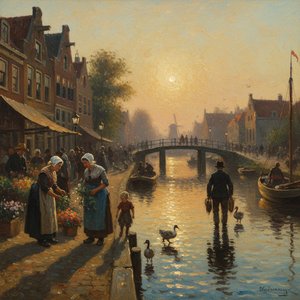
Wilhelmus de Zwart: Capturing Dutch Life Through the Lens of Realism & Impressionism
Explore the captivating world of Wilhelmus de Zwart, a Dutch master bridging Realism & Impressionism. Discover his landscapes, cityscapes, and unique technique – a compelling study for art enthusiasts and collectors.

La Escuela de La Haya: Realismo, Atmósfera y el Amanecer del Impresionismo Holandés
Descubre la Escuela de La Haya: el movimiento realista que revolucionó la pintura holandesa del siglo XIX. Analizamos a sus artistas clave, su técnica atmosférica y su influencia en el impresionismo. ¡Un viaje por el arte y la historia!
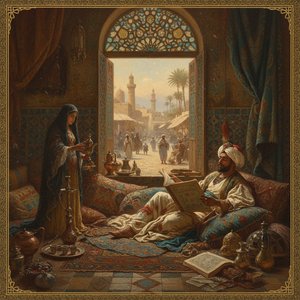
John Frederick Lewis: Orientalism, Detail & Genre Painting in 19th-Century British Art
Explore the captivating Orientalist paintings of John Frederick Lewis! Discover his mastery of detail, genre scenes & influence on 19th-century British art. Learn about his life, techniques & legacy at OriginalUniqueArt.
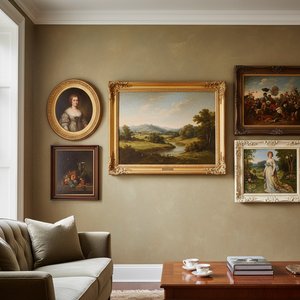
10 Obras Maestras del Siglo XIX: Arte Clásico para Decorar tu Hogar | OriginalUniqueArt
Descubre 10 obras maestras del siglo XIX: Monet, Van Gogh, Goya y más. Explora la historia, el arte y los estilos que definieron una época. Reproducciones de alta calidad para decorar tu hogar con elegancia en OriginalUniqueArt.com.



