- Inicio

- Reproducción al óleo
- Ikkyū Sōjun
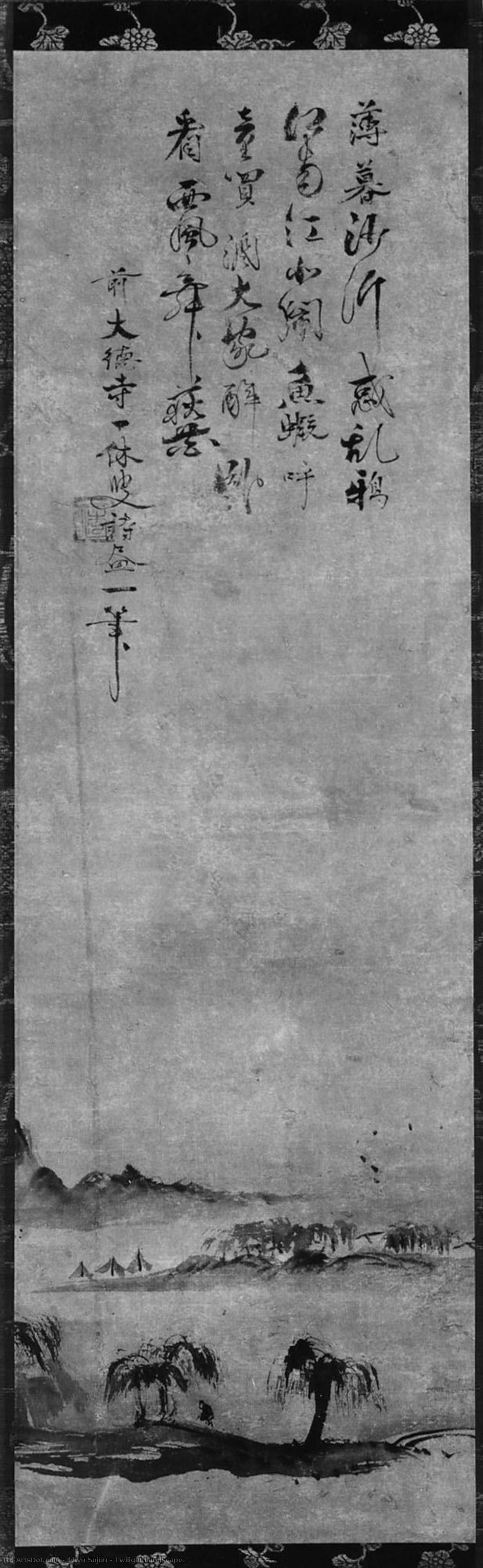
- Twilight Landscape
 Comprar impresión Comprar imagen en alta resolución
 Enviar
 Compartir
 Detalles
 Añadir a favoritos

 Descargar
 Similares
 Radiografía
 Presentación de diapositivas
Twilight Landscape
 87.0 x 26.0 cm
 Ver más
Reproducción al óleo hecha a mano
Óleo sobre lienzo pintado a mano en el tamaño y marco de su elección, realizado por encargo por nuestros artistas.




































Elija entre nuestros tamaños predefinidos que respetan las proporciones originales de la obra.

Puede ingresar sus propias dimensiones para adaptarse a un marco o espacio específico. Si el tamaño seleccionado no coincide con las proporciones de la imagen original, recortaremos la obra o extenderemos la pintura con elementos adicionales pintados a mano. Se le enviará una maqueta digital para su aprobación antes de comenzar la producción.
Tenga en cuenta que la vista previa en pantalla no refleja el recorte o la extensión reales. Solo la maqueta mostrará con precisión la composición final.
Si bien existen tamaños personalizados, recomendamos seleccionar una dimensión de la lista predefinida para preservar las proporciones originales.
Tras realizar el pedido, el equipo de OriginalUniqueArt.com enviará un correo electrónico al cliente para solicitar instrucciones y proporcionarle una vista previa del boceto.
Entrega mundial () en 3-4 semanas en lugar de las 5 semanas estándar. (22 julio). Sin compromisos con la calidad.

Envío exprés gratuito a todo el mundo

Lienzo de lino de alta calidad

Seguro de envío total

Garantía de reembolso de impuestos aduaneros

Garantía de fidelidad de color

Política de devolución de 60 días (solo por defectos)

Garantía de devolución del 100% del dinero

Descuento por pedido múltiple
 La opción de vidrio solo está disponible en tamaños inferiores a 110 cm.

Twilight Landscape
Técnica de reproducción
Tamaño de la reproducción
-


Precio total final
-
Biografía del artista
Ikkyū Sōjun: A Rebel Monk Who Shaped Zen Art and Literature
Ikkyū Sōjun (一休宗純, ikkyū sōjun, february 1, 1394 – december 12, 1481) was an eccentric, iconoclastic Japanese zen buddhist monk and poet. He had a profound impact on the infusion of japanese art and literature with zen attitudes and ideals, as well as on zen itself—specifically challenging monastic teachings with his stance against celibacy. While often portrayed as a mischievous boy-hero in popular culture, particularly through the animated TV series *Ikkyū-san*, Ikkyū’s true legacy resides in his radical rethinking of buddhist practice and his indelible mark on artistic expression during the Muromachi Period. ### Childhood and Early Influences Ikkyū was born into a turbulent era—the unification of the Northern and Southern imperial courts under Ashikaga Yoshimitsu—and his lineage was fraught with conflict. He was the illegitimate son of Emperor Go-Komatsu and a low-ranking court noblewoman, whose exile following pregnancy created challenging circumstances for their upbringing. Raised in impoverished conditions in Saga, Ikkyū received an education rooted in chinese culture and language through the tutelage of Zen masters—a method termed *Gozan Zen*. This formative experience instilled within him a deep appreciation for philosophical contemplation and artistic refinement, shaping his worldview and informing his later creative endeavors. The temple masters taught him about calligraphy and poetry, fostering skills that would become central to his artistic output. He was given the name Shuken, and learned about chinese poetry, art and literature—a method termed *Gozan Zen*. This formative experience instilled within him a deep appreciation for philosophical contemplation and artistic refinement, shaping his worldview and informing his later creative endeavors. ### Enlightenment and Artistic Practice At the age of thirteen Ikkyū entered Kennin-ji in Kyoto under Ken’ō Sōi—a Zen master known for his uncompromising devotion to monastic discipline. However, Ikkyū swiftly rejected conventional Zen practices, famously declaring that he would rather burn down the temple than observe celibacy. This rebellious stance reflected a broader critique of institutional dogma and fueled his conviction that true enlightenment demanded a rejection of societal constraints. Despite Ken’ō's influence, Ikkyū continued to express his dissent through poetry—often employing unconventional forms and imagery—demonstrating an unwavering commitment to artistic innovation. He was awarded the *inka* (certificate of enlightenment) by Kasō Sōdon at Daitoku-ji—a pivotal moment affirming his spiritual breakthrough—though he remained skeptical of its significance. His poetic output tackled themes of mortality, impermanence, and the illusory nature of reality—reflecting core tenets of Zen philosophy while simultaneously challenging accepted conventions. He championed the use of chinese calligraphy techniques in japanese art, elevating its aesthetic standards and establishing a distinctive visual idiom. ### Wandering Monkhood and Literary Legacy Following Kasō’s death, Ikkyū embarked on a solitary pilgrimage throughout Japan, traveling extensively between Kyōto, Osaka and Sakai. He embraced a deliberately austere lifestyle, eschewing material possessions and engaging with all strata of society without prejudice—a practice that underscored his belief in the primacy of spiritual experience over worldly concerns. His prolific poetic output—characterized by playful wit, subversive humor, and profound philosophical insight—became a cornerstone of Muromachi literature. Ikkyū’s poems explored themes of solitude, compassion, and acceptance—mirroring the Zen ideal of transcending ego and perceiving reality as interconnectedness. He is remembered for his bold brushstrokes and serene landscapes, which embody the spirit of zen itself. His influence extended beyond poetry; he fostered a revival of chinese calligraphy in japan, elevating its aesthetic standards and establishing a distinctive visual idiom. ### Historical Significance Ikkyū Sōjun’s enduring fame stems not only from his artistic achievements but also from his audacious rejection of monastic norms—a gesture that resonated deeply with contemporaries and continues to inspire artists and thinkers today. He stands as an emblem of intellectual independence and spiritual rebellion, embodying the Zen ideal of questioning established dogma and pursuing truth beyond conventional boundaries. His legacy persists in popular culture—most notably through *Ikkyū-san*, which cemented his image as a charming iconocast—but more importantly, it resides in his profound contribution to japanese art and literature—works that grapple with fundamental questions about existence and offer glimpses into the transformative power of zen contemplation. He remains one of the most celebrated figures in japanese buddhism, recognized for his unwavering conviction in challenging societal expectations and prioritizing spiritual enlightenment above all else.
Ikkyū Sōjun
1394 - 1481 , Japón
Datos clave
- Artistic Movement Or Style: Zen Buddhism
- Artists Who Influenced This Artist:
- Botetsu
- Ken’Ō Sōi
- Kasō Sōdon
- Date Of Birth: 1394
- Date Of Death: 1481
- Full Name: Ikkyū Sōjun
- Nationality: Japonés
- Notable Artworks: ['Título japonés: 木彫根付 蛸壺']
- Place Of Birth: Kyoto, Japón

