

 Ver en contexto
 Enviar
 Compartir
 Detalles
 Guía
Guía

 Descargar
 Similares
 Radiografía
 Presentación de diapositivas
 Estadísticas
Pine Tree and Calligraphy
 Ink
Ink- Bunjinga
 801
801- Early Modern
 23.0cm x 37.0cm
 Ver más
Reproducción al óleo hecha a mano
Óleo sobre lienzo pintado a mano en el tamaño y marco de su elección, realizado por encargo por nuestros artistas. ( Cambiar a impresiones Cambiar a imagen digital)




P118B €10

P118H €10

P118W €10

P438Z €10

P508JH €12

P508YH €12

P805H €10

P805Z €10

P919BZ €10

P919G €10

P919XJ €10

P959ZH €10

P968JZ €12

W106C €8

W218G €10

W218JH €8

W218Y €10

W307PJ €10

W316G €10

W316PJ €8

W316Y €10

W398PJ €8

W4111J €10

W500HY €15

W500JH €15

W692G €12

W849H €8

W940BG €15

W953PJ €8




Elija entre nuestros tamaños predefinidos que respetan las proporciones originales de la obra.

Indique el ancho y el alto que necesite para adaptarse a su marco o pared. Al tratarse de una obra pintada a mano, si requiere un tamaño con una proporción distinta, el artista puede pintar un poco más alrededor de la imagen o recortarla ligeramente; usted elige. Le enviaremos una maqueta digital para su aprobación antes de comenzar la pintura. La imagen que se muestra en esta página no refleja el resultado real; solo la maqueta lo hace.
Tras realizar el pedido, el equipo de OriginalUniqueArt.com enviará un correo electrónico al cliente para solicitar instrucciones y proporcionarle una vista previa del boceto.
Envío a todo el mundo () en 3-4 semanas en lugar de las 5 semanas estándar. (28 octubre). Sin comprometer la calidad.

Envío exprés gratuito a todo el mundo

Lienzo de lino de alta calidad

Seguro de envío total

Garantía de reembolso de aranceles aduaneros

Garantía de fidelidad cromática exacta

Política de devolución de 100 días (solo por defectos)

Garantía de devolución del 100% del dinero

Descuento por cantidad
 La opción de vidrio solo está disponible en tamaños inferiores a 110 cm.

Pine Tree and Calligraphy
Técnica de reproducción
Dimensiones de la reproducción
-


Precio total final
€ 264
A Poetic Encounter with Nature
In the delicate dance between ink and paper, Pine Tree and Calligraphy emerges as a profound meditation on the enduring spirit of the natural world. This exquisite work by the legendary Edo-period master Ike Taiga invites the viewer into a serene landscape where a resilient pine tree clings to a rugged hillside, overlooking a distant, mist-shrouded mountain. The composition is breathed into life by the presence of two small figures, positioned as quiet observers of the vastness surrounding them, while a solitary bird drifts through the sky, adding a fleeting moment of vitality to the stillness. It is a scene that captures not just a physical location, but a spiritual state—a harmonious intersection of earth, sky, and human contemplation.
The artistry of this piece lies in its masterful use of the bunjinga or literati style, a tradition that prioritizes emotional expression and intellectual depth over mere photographic realism. Taiga employs rhythmic brushstrokes to define the textured needles of the pine, contrasting them with the soft, ethereal washes used to depict the atmospheric mountains in the background. The integration of black calligraphy serves as more than just text; it is an essential structural element that anchors the visual poetry of the painting, weaving together the artist's visual imagery with the literary elegance of classical verse. This synergy between image and word creates a multi-sensory experience, characteristic of the high intellectual culture of the Japanese Edo period.
Historical Resonance and Timeless Elegance
To behold this work is to touch the heart of the 18th-century Japanese aesthetic. Originally conceived as part of a larger series of sliding-door panels, the painting underwent a fascinating metamorphosis, moving from architectural ornament to the intimate pages of an album, and finally to its current form as a prestigious hanging scroll. This history of transformation mirrors the fluidity of nature itself. The inclusion of calligraphic poems by renowned scholars such as Minagawa Kian and Kameda Bōsai elevates the work from a singular painting to a collaborative masterpiece of cultural heritage, representing a shared moment of artistic brilliance between painters and poets.
For the discerning collector or interior designer, a high-quality reproduction of this piece offers more than mere decoration; it provides an anchor of tranquility for any sophisticated space. The subtle palette of greens, deep blacks, and soft earth tones allows it to integrate seamlessly into modern minimalist settings or classic, traditional interiors. It serves as a window into a world of Zen-like peace, offering a focal point that encourages slow looking and deep reflection. Bringing this piece into one's environment is an act of preserving the quiet dignity of the bunjinga tradition, ensuring that the evocative beauty of Ike Taiga’s vision continues to inspire generations to come.
Preguntas y respuestas
¿Qué atmósfera aportaría una reproducción de "Pine Tree and Calligraphy" de Ike Taiga a una habitación?
"Pine Tree and Calligraphy" de Ike Taiga transmite una atmósfera Serene y se recomienda para un/a Hallway. El estado de ánimo es la esencia que la obra aporta al espacio que la rodea.
¿Para qué uso se recomienda "Pine Tree and Calligraphy" de Ike Taiga?
El uso sugerido para "Pine Tree and Calligraphy" de Ike Taiga es Theme. También puede utilizarse con otros fines.
¿Puedo usar la realidad aumentada para ver "Pine Tree and Calligraphy" de Ike Taiga en mi habitación?
Puedes visualizar "Pine Tree and Calligraphy" de Ike Taiga en tu propia pared con la página de Vista previa en RA de la obra, utilizando realidad aumentada en un dispositivo compatible.
Biografía del artista
Ike no Taiga: Bridging Tradition and Innovation in Edo Period Landscape Painting
Ike no Taiga (1723-1776) stands as a monumental figure within the *bunjinga* tradition—a uniquely Japanese form of literati painting that flourished during the Edo period. More than just an artist, he embodied the spirit of his time, skillfully blending classical Chinese aesthetics with groundbreaking experimental techniques to produce works that continue to resonate with collectors and scholars alike. His life story itself is a testament to perseverance and intellectual curiosity, shaping him into one of the most influential painters of his era. Born into humble circumstances—his father a farmer on the outskirts of Kyoto—Taiga’s early life was marked by hardship. The family moved to Kyoto shortly before his birth, seeking refuge from famine conditions, and his father's employment at the silver mint afforded them modest financial stability. Tragically, he passed away when Taiga was just three years old, leaving his widowed mother to raise him with unwavering devotion. Remarkably, she prioritized his education, securing tutors who instilled in him a profound understanding of both Japanese and Chinese disciplines—a foundation that would prove crucial to his artistic development. By the age of six, he began formal training at Manpuku-ji Zen Temple, fostering connections that would endure throughout his life, grounding him in Buddhist philosophy and shaping his contemplative approach to artmaking. Taiga’s artistic journey commenced professionally at fourteen, establishing a fan painting workshop where he honed his craft alongside fellow artists and collectors. A pivotal encounter with Yanagisawa Kien—a prominent social and artistic patron—introduced him to the vibrant *bunjinga* circle of Kyoto, propelling him toward collaborations that would solidify his reputation as a leading figure in Japanese art. Notably, Taiga’s formative influence stemmed from Yi Fujiu (j: i fukyū), a Chinese pai- Early Life and Family Background: Ike no Taiga was born into a modest Kyoto farming family; his father held a position at the silver mint, providing some financial security. However, he tragically succumbed to illness when Taiga was just three years old, leaving his mother to dedicate herself entirely to his upbringing.
- Education and Zen Temple Training: Recognizing Taiga’s exceptional talent—described as “supernaturally gifted”—his mother secured tutors who imparted knowledge of both Japanese and Chinese disciplines, establishing a bedrock for his artistic pursuits. At six years old, he began intensive training at Manpuku-ji Zen Temple, cultivating mindfulness and shaping his worldview through Buddhist teachings.
- Professional Beginnings: By fourteen, Taiga transitioned into a professional artist and calligrapher, operating a fan painting workshop alongside fellow artisans. This experience honed his skills and exposed him to the tastes of discerning collectors—a crucial step in establishing his artistic career.
- Collaboration with Yanagisawa Kien: Taiga’s association with Kien—a wealthy patron who recognized his talent early on—was instrumental in introducing him to the influential *bunjin* community of Kyoto, fostering connections that propelled his artistic career forward.
- Influence of Yi Fujiu and Fellow Students: Taiga's dedication to mastering Chinese painting techniques—inspired by Yi Fujiu—combined with the camaraderie fostered by Kō Fuyō and Kan Tenju—created a dynamic environment for artistic growth and innovation.

Ike Taiga
1723 - 1776 , Japón
Datos clave
- Artistic Movement Or Style: *Bunjinga*
- Artists Who Influenced This Artist:
- Yi Fujiu
- Yanagisawa Kien
- Date Of Birth: 1723
- Date Of Death: 1776
- Full Name: Ike no Taiga
- Nationality: Japonés
- Notable Artworks:
- Paisaje con Torre
- Barco de pesca sobre banco cubierto de bambú y caligrafía
- Place Of Birth: Kyoto, Japón
Artículos relacionados

John Constable: Las 25 Obras Maestras del Paisaje Inglés | OriginalUniqueArt
Descubre las 25 obras maestras de John Constable, el pintor romántico inglés que capturó la belleza del paisaje. Explora su técnica, historia y significado en OriginalUniqueArt.com. Reproducciones de arte de alta calidad para tu hogar.

Katsushika Hokusai: Las 25 Obras Maestras del Ukiyo-e que Transformaron el Arte Japonés | OriginalUniqueArt
Descubre las 25 obras maestras de Katsushika Hokusai, el genio del ukiyo-e. Explora 'La Gran Ola', paisajes japoneses y su impacto en el arte moderno. Reproducciones de alta calidad para tu hogar en OriginalUniqueArt.com.
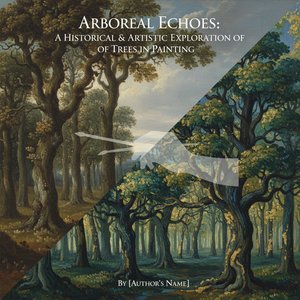
Arboreal Echoes: A Historical & Artistic Exploration of Trees in Painting
Explore the rich history of trees in painting! Discover symbolism, Romantic masterpieces by Caspar David Friedrich & beyond. A curated journey for art enthusiasts.

Paisajes Románticos: 10 Obras Maestras que Definieron un Movimiento Artístico
Descubre los 10 paisajes románticos más influyentes de artistas como Caspar David Friedrich y Turner. Explora la belleza, el simbolismo y las técnicas del movimiento romántico. Reproducciones de arte exclusivas en OriginalUniqueArt.com.

Arboreal Echoes: A Historical & Artistic Exploration of Trees in Painting
Explore the rich history of trees in painting! Discover symbolism, Romantic masterpieces by Caspar David Friedrich & beyond. A curated journey for art enthusiasts.