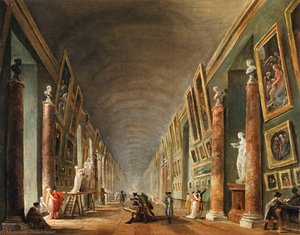
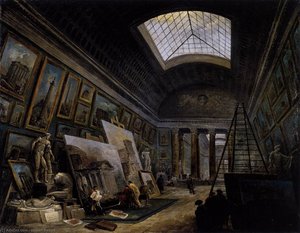
Vista previa
 Compartir
 Compartir
 Ver detalles
 Guía
Guía

 Descargar
 Ver artículos similares
 Radiografía
 Presentación de diapositivas
 Estadísticas
The Fountain
 Óleo sobre lienzo
- Arte de pared
- Rococo
 1777
1777 173.0 x 80.0 cm
 Museo Metropolitano de Arte
 Leer más
Giclée / Impresión de arte
Impresiones giclée o en lienzo de calidad de museo con producción rápida y opciones de acabado flexibles. ( Encargar reproducción pintada a mano Ver versión en imagen digital)




P118B €10

P118H €10

P118W €10

P438Z €10

P508JH €12

P508YH €12

P805H €10

P805Z €10

P919BZ €10

P919G €10

P919XJ €10

P959ZH €10

P968JZ €12

W106C €8

W218G €10

W218JH €8

W218Y €10

W307PJ €10

W316G €10

W316PJ €8

W316Y €10

W398PJ €8

W4111J €10

W500HY €15

W500JH €15

W692G €12

W849H €8

W940BG €15

W953PJ €8




Elija entre nuestros tamaños predefinidos que respetan las proporciones originales de la obra.

Introduzca el ancho y el alto que necesite para adaptarse a su marco o pared. Una impresión solo puede recortarse, nunca hacerse más grande que la imagen original, por lo que un tamaño con una forma distinta perderá parte de la obra. Le enviaremos una maqueta digital para su aprobación antes de realizar cualquier impresión. La imagen que se muestra en esta página no refleja el recorte real; solo la maqueta lo hace.
Envío a todo el mundo () en 2 semanas en lugar de las 4/5 semanas estándar. (23 octubre)

Envío exprés gratuito a todo el mundo

Lienzo de lino de alta calidad

Seguro de envío completo

Garantía de reembolso de impuestos aduaneros

Garantía de fidelidad cromática exacta

Política de devolución de 100 días (solo por defectos)

Garantía de devolución del 100% del dinero

Oferta por volumen
 La opción de vidrio solo está disponible en tamaños inferiores a 110 cm.

The Fountain
Giclée / Impresión de arte
Tamaño de la reproducción
-


Precio total
€ 70
A Dreamscape of Antiquity: The Genesis of "The Fountain"
Hubert Robert's 1777 painting, “The Fountain,” isn’t merely a depiction of a picturesque Italian landscape; it’s an immersive experience, a carefully constructed illusion designed to evoke the grandeur and serenity of antiquity. Born from a wager between King Louis XV’s brother, the comte d’Artois, and Queen Marie Antoinette – a challenge to build a pleasure pavilion in just sixty-four days – the work transcends its origins as a commissioned piece. Robert, having spent eleven years immersed in the Italian artistic landscape, skillfully blended his own observations with classical architectural principles and a touch of romantic fancy. The painting whispers of a bygone era, inviting us into a world where leisure and beauty intertwine, reflecting the Rococo fascination with both historical grandeur and idyllic escape.
The scene unfolds within a vast Roman landscape dominated by a colossal column, its summit crowned with an imposing statue – a testament to human ambition and artistic skill. A long, arched structure, reminiscent of a Roman arcade or portico, stretches into the distance, creating a sense of limitless space and drawing the eye upwards towards this monumental focal point. The composition is meticulously balanced, utilizing strong vertical lines that emphasize the column’s height while softer curves represent the trees and figures scattered throughout the scene. This interplay between geometric precision and organic forms establishes a visual harmony that contributes to the painting's overall sense of tranquility.
The Language of Light and Atmosphere: Technique and Style
Robert’s mastery lies in his ability to capture atmospheric perspective, a technique crucial to conveying depth and distance. Notice how the colors gradually become paler and less saturated as they recede into the background – ochres, browns, and muted greens dominate, creating a hazy, dreamlike quality. This effect is achieved through careful layering of paint, building up textures and values with meticulous brushwork. The lighting, diffused and warm, suggests either dawn or dusk, bathing the scene in a soft glow that enhances its romantic atmosphere. The use of chiaroscuro – the dramatic contrast between light and shadow – further emphasizes the column’s imposing presence and adds to the painting's sense of drama.
Examining the brushstrokes reveals Robert’s deliberate approach. He doesn’t strive for photographic realism; instead, he employs a loose, expressive style that prioritizes capturing the *feeling* of the landscape. The figures themselves are rendered with a degree of informality, suggesting leisurely activities – conversation and repose – rather than precise detail. This stylistic choice aligns perfectly with the Rococo aesthetic, which valued elegance and charm over strict adherence to naturalism. The painting’s materials—likely oil paints on canvas—lend themselves beautifully to this technique, allowing for rich colors, subtle gradations of tone, and a remarkable sense of texture.
Symbolism and Historical Context: A Reflection of an Age
“The Fountain” is more than just a pretty picture; it’s imbued with symbolic meaning. The Roman ruins evoke the glories of antiquity, representing a lost world of power and sophistication. The fountain itself symbolizes abundance, leisure, and the pursuit of pleasure – values highly prized during the Rococo era. Robert's inclusion of figures engaged in social activities reinforces this theme, suggesting that life is meant to be enjoyed and celebrated. The painting also subtly references the Enlightenment fascination with classical antiquity, a movement that sought to revive the ideals and artistic principles of ancient Greece and Rome.
Furthermore, it’s important to consider Robert's personal history. His time in Italy profoundly shaped his artistic vision, fostering a deep appreciation for Roman architecture and sculpture. He deliberately combined elements from various sources, creating a unique synthesis that reflects his own creative imagination. The painting can be interpreted as a nostalgic longing for the past, blended with an anticipation of the future – a common theme in 18th-century art.
A Timeless Vision: Reproduction and Beyond
OriginalUniqueArt is proud to offer meticulously crafted hand-painted reproductions of Hubert Robert’s “The Fountain,” allowing you to bring this captivating masterpiece into your home or office. Our skilled artists faithfully recreate the painting's atmospheric depth, nuanced colors, and expressive brushwork, ensuring that every detail is rendered with exceptional accuracy. Whether you are an art enthusiast, a collector, or simply seeking to add a touch of timeless elegance to your space, our reproduction captures the essence of Robert’s vision – a dreamscape of Roman reverie that continues to enchant viewers centuries later.
Preguntas y respuestas
¿Qué tan intensos son los colores de "The Fountain"?
Los colores de "The Fountain" de Hubert Robert muestran una saturación Suave equilibrado con una intensidad Equilibrado.
¿Qué armonía cromática presenta "The Fountain" de Hubert Robert?
Los colores de "The Fountain" de Hubert Robert muestran una armonía Gran unidad cromática. La armonía describe cómo se relacionan los colores entre sí.
¿De qué país proviene la obra del Rococo "The Fountain"?
"The Fountain" fue creada por Hubert Robert, nacido en Francia, dentro del movimiento Rococo. El origen del artista vincula la obra al Rococo tal como lo practicaban los artistas de Francia.
Biografía del artista
Hubert Robert: Pintor de Ruinas y Visiones
- Nacimiento: 22 de mayo de 1733, París, Francia
- Fallecimiento: 15 de abril de 1808, París, Francia
Hubert Robert fue un pintor francés celebrado por sus evocadores paisajes y pinturas de *capricho*—representaciones pintorescas semi-ficticias de ruinas en Italia y Francia. Se le considera una figura clave que une los períodos Rococó y Neoclásico, anticipando aspectos del Romanticismo con su fascinación por la decadencia, la historia y las reconstrucciones imaginativas.
Primeros Años y Formación Artística
Nicolas Robert, el padre de Hubert, sirvió a François-Joseph de Choiseul, Marqués de Stainville. Robert recibió una educación jesuita en el Collège de Navarre en 1751. Luego estudió escultura con Michel-Ange Slodtz, quien lo animó a dedicarse a la pintura. Esta formación temprana le inculcó una sólida base en diseño y perspectiva, elementos cruciales que definirían más tarde su estilo artístico.
Los Años Romanos y Desarrollo Artístico (1754-1765)
- Traslado a Roma: En 1754, Robert viajó a Roma con Étienne-François de Choiseul, hijo de su empleador.
- Once Años en Italia: Pasó once años en Roma, un período formativo para su desarrollo artístico.
- Apoyo y Patronazgo: Se sustentó creando obras para conocedores visitantes como el Abbé de Saint-Non.
- Influencia de Giovanni Paolo Panini: Robert trabajó junto a Giovanni Paolo Panini, cuya influencia es evidente en sus primeras composiciones de *capricho*.
- Dibujo y Observación: Dibujó meticulosamente ruinas y paisajes romanos, documentando sitios como la Villa d'Este y Caprarola, demostrando un agudo sentido del detalle y la perspectiva atmosférica.
Su tiempo en Roma moldeó profundamente su visión artística. La yuxtaposición de las antiguas ruinas romanas con la vida contemporánea despertó su interés por representar la decadencia junto a la vitalidad, un tema recurrente a lo largo de su carrera.
Regreso a París y Reconocimiento (1765-1790)
- Éxito Rápido: Al regresar a París en 1765, Robert rápidamente obtuvo reconocimiento.
- Admisión en la Académie Royale de Peinture et de Sculpture: Fue admitido en la Académie Royale de Peinture et de Sculpture con un *capricho* romano, "El Puerto de Roma, Ornamentado con Diferentes Monumentos de Arquitectura, Antiguos y Modernos".
- Exposiciones en el Salón: Sus exposiciones en el Salón (a partir de 1767) atrajeron una atención significativa. Denis Diderot comentó famosamente sobre la grandeza evocada por sus representaciones de ruinas.
- Obras Notables: Obras clave de este período incluyen "Paisaje con las Ruinas del Templo Circular, con una Estatua de Venus y un Monumento a Marco Aurelio", que muestra su dominio de la pintura de *capricho*.
El éxito parisino de Robert se debió a su capacidad para capturar tanto la grandeza de la antigüedad clásica como la vitalidad de la vida contemporánea. Sus obras resonaron en el público fascinado por la historia, la arqueología y lo pintoresco.
Últimos Años, Revolución y Legado (1790-1808)
- Revolución Francesa: Robert fue testigo y documentó la Revolución Francesa, incluyendo la demolición de monumentos históricos.
- Curador del Muséum Central des Arts: Sirvió como curador del recién establecido Muséum Central des Arts (luego el Louvre), demostrando su compromiso con la preservación del patrimonio cultural.
- Producción Artística Continua: A pesar del turbulento clima político, Robert continuó pintando y dibujando prolíficamente.
- Reproducción e Influencia: Sus obras fueron frecuentemente reproducidas por artistas como el Abbé de Saint-Non, Châtelain, Linard y Le Veau, lo que atestigua su amplia influencia.
El legado de Hubert Robert radica en su capacidad única para combinar la precisión histórica con la visión imaginativa. Pionero de un género de pintura que celebra tanto la belleza de la decadencia como el poder perdurable de la creatividad humana. Su obra continúa inspirando a artistas y cautivando al público, consolidando su lugar como una figura significativa en el arte del siglo XVIII.
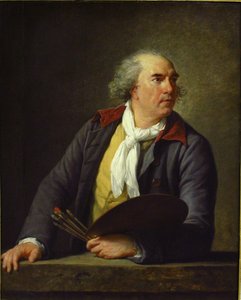
Hubert Robert
1733 - 1808 , Francia
Datos clave
- Artistas Que Influyeron: ['Giovanni Paolo Panini']
- Fecha De Fallecimiento: 15 de abril de 1808
- Fecha De Nacimiento: 22 de mayo de 1733
- Lugar De Nacimiento: París, Francia
- Movimiento Artístico: Rococó y Neoclasicismo
- Nacionalidad: Francés
- Nombre Completo: Hubert Robert
- Obras Notables:
- Interior del Templo de Diana
- Le château de la Roche Guyon
- El artista dibujando en los jardines
- Paisaje con terraza y cascada
- Villa Sachetti
- Establos en ruinas de Villa Giulia
Artículos relacionados

Paisajes Románticos: 10 Obras Maestras que Definieron un Movimiento Artístico
Descubre los 10 paisajes románticos más influyentes de artistas como Caspar David Friedrich y Turner. Explora la belleza, el simbolismo y las técnicas del movimiento romántico. Reproducciones de arte exclusivas en OriginalUniqueArt.com.

Evocations of Place: A Historical Journey Through Landscape Art
Explore the rich history of landscape art with OriginalUniqueArt. Discover renowned artists, movements like Impressionism & Romanticism, and expert guidance for collecting timeless pieces. Find your perfect serene escape today!

Rococó: 10 Obras Maestras que Definieron una Época | Arte y Decoración en
Descubre las 10 obras maestras del Rococó que marcaron una época. Explora la elegancia de Fragonard, Boucher y Watteau en . Reproducciones de arte de calidad museo para decorar tu hogar con estilo.

Illuminating the Enlightenment: A Comprehensive Exploration of 18th-Century Painting
Explore the captivating world of 18th-century painting! Discover Rococo's playful elegance & Neoclassicism’s Enlightenment ideals with expert insights into Fragonard, David, and more. A comprehensive guide for art enthusiasts.

Hubert Robert: Picturing Ruins, Preserving Memory – A Study of Romantic Antiquarianism & Artistic Innovation
Explore the captivating world of Hubert Robert, master of Romantic landscape painting & 'capriccio' ruins. Discover his historical context, artistic innovations, and collecting insights with OriginalUniqueArt.