Ver en contexto
 Enviar
 Compartir
 Detalles
 Guía
Guía

 Descargar
 Similares
 Radiografía
 Presentación de diapositivas
 Estadísticas
Ratapoil


 Ver más
Giclée / Impresión de arte
Impresiones giclée o en lienzo de calidad de museo con producción rápida y opciones de acabado flexibles. ( Comprar pintura hecha a mano Cambiar a imagen digital)




P118B €10

P118H €10

P118W €10

P438Z €10

P508JH €12

P508YH €12

P805H €10

P805Z €10

P919BZ €10

P919G €10

P919XJ €10

P959ZH €10

P968JZ €12

W106C €8

W218G €10

W218JH €8

W218Y €10

W307PJ €10

W316G €10

W316PJ €8

W316Y €10

W398PJ €8

W4111J €10

W500HY €15

W500JH €15

W692G €12

W849H €8

W940BG €15

W953PJ €8




Elija entre nuestros tamaños predefinidos que respetan las proporciones originales de la obra.

Introduzca el ancho y el alto que necesite para adaptarse a su marco o pared. Una impresión solo puede recortarse, nunca hacerse más grande que la imagen original, por lo que un tamaño con una forma distinta perderá parte de la obra. Le enviaremos una maqueta digital para su aprobación antes de realizar cualquier impresión. La imagen que se muestra en esta página no refleja el recorte real; solo la maqueta lo hace.
Envío a todo el mundo () en 2 semanas en lugar de las 4/5 semanas estándar. (25 octubre)

Envío exprés gratuito a todo el mundo

Lienzo de lino de alta calidad

Seguro de envío total

Garantía de reembolso de aranceles aduaneros

Garantía de fidelidad cromática exacta

Política de devolución de 100 días (solo por defectos)

Garantía de devolución del 100% del dinero

Descuento por cantidad
 La opción de vidrio solo está disponible en tamaños inferiores a 110 cm.

Ratapoil
Giclée / Impresión de arte
Dimensiones de la reproducción
-


Precio total final
€ 70
The Weight of Satire: Honoré Daumier’s “Ratapoil”
Honoré Daumier's "Ratapoil," created in 1850, isn’t merely a sculpture; it’s a distilled embodiment of the anxieties and frustrations simmering beneath the surface of mid-19th century France. This arresting figure, rendered in cast iron with a deliberate roughness that mirrors its subject matter, captures a moment of profound disillusionment – a silent indictment of societal hypocrisy and the precariousness of human existence. The sculpture’s power lies not just in its visual impact but in the potent historical context from which it emerged, reflecting the political unrest and social commentary prevalent during Daumier's prolific career.
A Portrait of Discontent: Form and Technique
Daumier’s technique is immediately striking. The figure stands with a pronounced limpness, leaning heavily on his cane – a visual metaphor for the burden of societal expectations and the limitations imposed upon him. The pose itself, a studied awkwardness, suggests a man weary of pretense and burdened by unseen struggles. Notice the deliberate imperfections in the cast iron; these aren’t flaws but rather integral to the sculpture's character, mirroring the rough edges of reality. The artist masterfully employed a technique known as "lost wax casting," allowing for intricate detail while maintaining a robust physicality. The surface is deliberately left unpolished, emphasizing the material’s inherent texture and adding to the sense of weathered resilience.
Symbolism in the Details: The Man and His Cane
“Ratapoil” derives its name from a popular Parisian slang term for a “grumble-head,” someone prone to complaining. The figure’s expression is ambiguous, neither overtly angry nor mournful, but rather filled with a quiet resignation – a weary acceptance of his fate. The cane isn't simply a walking aid; it represents the tools he uses to navigate a world that seems determined to trip him up. It’s a symbol of both support and limitation, highlighting the complex relationship between individual agency and societal constraints. The man’s attire, simple and unadorned, further underscores his lack of privilege and reinforces the sculpture's message about social inequality.
Daumier’s Social Critique: A Voice for the Voiceless
Honoré Daumier was a pivotal figure in the development of French Realism. He used caricature, satire, and unflinching observation to expose the injustices and absurdities of his time. “Ratapoil” is part of a larger body of work that challenged the established order – depicting the lives of laborers, the plight of the poor, and the corruption within the political elite. Daumier’s art wasn't intended as mere entertainment; it was a deliberate act of social critique, offering a voice to those marginalized by society. His ability to capture the essence of human experience with such raw honesty cemented his legacy as one of France’s most important artists.
Bringing “Ratapoil” Home: Reproduction and Artistic Impact
Reproductions of "Ratapoil" offer a remarkable opportunity to bring this powerful work into any interior space. The sculpture's inherent drama and symbolic weight make it an ideal addition to collections focused on social commentary, 19th-century art, or simply those seeking pieces that evoke contemplation and provoke thought. When displayed, “Ratapoil” serves as a potent reminder of the enduring relevance of Daumier’s message – a timeless exploration of human resilience in the face of adversity. Consider pairing it with other works that address themes of social justice or personal struggle to create a conversation within your collection.
Preguntas y respuestas
¿Qué tamaño y orientación se recomiendan para una impresión de "Ratapoil" de Honoré Daumier?
Para "Ratapoil", la configuración de impresión recomendada es un tamaño de Medium y una orientación Portrait.
¿Qué ubicación se adapta mejor al formato de "Ratapoil" de Honoré Daumier?
El formato (Portrait) y el espacio recomendado (Living Room) son los dos datos de colocación registrados para "Ratapoil" de Honoré Daumier.
¿Qué tan armoniosos son los colores de "Ratapoil" de Honoré Daumier?
La armonía cromática de "Ratapoil" se describe como Strong Color Unity.
Biografía del artista
Una Vida de Arte y Activismo
Honoré-Victorin Daumier, un grabador, caricaturista, pintor y escultor francés, dejó una huella imborrable en la escena artística del siglo XIX. Nacido en Marsella el 26 de febrero de 1808 y fallecido en París el 10 de febrero de 1879, la vida de Daumier fue un testimonio de su inquebrantable dedicación a capturar la esencia de la sociedad francesa.Primeros Años e Influencias
La primera infancia de Daumier se vio marcada por las aspiraciones poéticas de su padre, lo que llevó a la familia a mudarse a París en 1814. Esta exposición a la vibrante escena artística de la ciudad influyó en su inclinación hacia el arte. Comenzó su aprendizaje con Alexandre Lenoir y luego ingresó a la Académie Suisse.Trayectoria Artística
La prolífica carrera de Daumier abarcó múltiples medios, incluyendo la litografía, la pintura y la escultura. Su trabajo temprano se caracterizó por contribuciones anónimas a editoriales, emulando el estilo de Charlet y mostrando un ferviente entusiasmo por la leyenda napoleónica. Tras la revolución de 1830, su arte se volvió más abiertamente político.- Le Charivari, un periódico cómico lanzado por Charles Philipon, proporcionó una plataforma para el trabajo satírico de Daumier, apuntando a la burguesía y la incompetencia del gobierno.
- Sus caricaturas de figuras políticas y sátiras sobre el comportamiento social le valieron tanto elogios como controversias, incluyendo un encarcelamiento de seis meses en 1832.
Obras Destacadas y Legado
- Rue Transnonain, 15 de abril de 1834: Una conmovedora litografía que representa la masacre en la rue Transnoin, parte de los disturbios de abril de 1834 en París.
- Les Gens de Justice: Una satíra mordaz sobre la profesión legal, que muestra la maestría de Daumier en la caricatura.
- Explore las litografías y pinturas de Daumier en OriginalUniqueArt.
- Descubra más sobre los movimientos artísticos franceses, incluyendo el realismo, en Wikipedia.
Conclusión
La vida de Daumier fue un testimonio de su inquebrantable dedicación a capturar la esencia de la sociedad francesa. A través de su arte, continúa inspirando y provocando, ofreciendo una ventana única al siglo XIX francés.- El Musée d'Orsay en París exhibe algunas de las esculturas de arcilla sin cocer restauradas de Daumier.
- Aprenda más sobre la vida y obra de Daumier en OriginalUniqueArt.

Honoré Daumier
1808 - 1879 , Francia
Datos clave
- Artistas Que Influyeron:
- Alexandre Lenoir
- Charlet
- Fecha De Fallecimiento: 10 de febrero de 1879
- Fecha De Nacimiento: 26 de febrero de 1808
- Influenciado A Artistas: ['Generaciones de artistas']
- Lugar De Nacimiento: Marsella, Francia
- Movimiento Artístico: Realismo, caricatura
- Nacionalidad: Francesa
- Nombre Completo: Honoré Victorin Daumier
- Obras Notables:
- Rue Transnonain, 15 de abril de 1834
- Les Gens de Justice
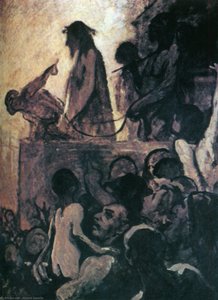
- Nous voulons Barabbas (Ecce Homo)
Artículos relacionados
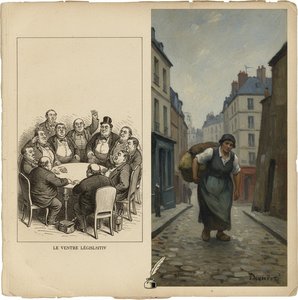
Honoré Daumier: Social Commentary & Artistic Innovation in 19th-Century France
Explore the life & work of Honoré Daumier, a master of 19th-century French realism and satire. Discover his powerful lithographs, paintings, and sculptures critiquing society – and his lasting influence on modern art.

The Enduring Form: Sculpture Across History, Technique & Emotional Resonance
Explore the rich history of sculpture with OriginalUniqueArt. Discover key techniques, influential artists & investment potential for discerning collectors. Expert insights into valuing and collecting timeless masterpieces.

The Enduring Form: Exploring Themes & Techniques in Sculpture Across Historical Periods
Explore the rich history of sculpture from ancient masterpieces to contemporary innovations. Discover key techniques, influential artists & investment potential for discerning art collectors.

Esculturas de Bronce Legendarias: 10 Obras Maestras que Transformaron el Arte | OriginalUniqueArt
Descubre las 10 esculturas de bronce más legendarias que revolucionaron el arte. Explora la historia de Rodin, Degas y otros maestros del bronce. Encuentra reproducciones de alta calidad e inspiración para tu hogar en OriginalUniqueArt.com.

Las 10 Obras Maestras de Bronce que Revolucionaron la Historia del Arte | OriginalUniqueArt
Descubre las 10 esculturas de bronce más influyentes de la historia del arte. Explora obras maestras de Rodin, Degas y otros genios. Encuentra reproducciones de arte de calidad museo en OriginalUniqueArt.com.