

 Vista previa
 Compartir
 Compartir
 Ver detalles
 Guía
Guía

 Descargar
 Ver artículos similares
 Radiografía
 Presentación de diapositivas
 Estadísticas
Edwin McMasters Stanton


 Leer más
Giclée / Impresión de arte
Impresiones giclée o en lienzo de calidad de museo con producción rápida y opciones de acabado flexibles. ( Encargar reproducción pintada a mano Ver versión en imagen digital)




P118B €10

P118H €10

P118W €10

P438Z €10

P508JH €12

P508YH €12

P805H €10

P805Z €10

P919BZ €10

P919G €10

P919XJ €10

P959ZH €10

P968JZ €12

W106C €8

W218G €10

W218JH €8

W218Y €10

W307PJ €10

W316G €10

W316PJ €8

W316Y €10

W398PJ €8

W4111J €10

W500HY €15

W500JH €15

W692G €12

W849H €8

W940BG €15

W953PJ €8




Elija entre nuestros tamaños predefinidos que respetan las proporciones originales de la obra.

Introduzca el ancho y el alto que necesite para adaptarse a su marco o pared. Una impresión solo puede recortarse, nunca hacerse más grande que la imagen original, por lo que un tamaño con una forma distinta perderá parte de la obra. Le enviaremos una maqueta digital para su aprobación antes de realizar cualquier impresión. La imagen que se muestra en esta página no refleja el recorte real; solo la maqueta lo hace.
Envío a todo el mundo () en 2 semanas en lugar de las 4/5 semanas estándar. (24 octubre)

Envío exprés gratuito a todo el mundo

Lienzo de lino de alta calidad

Seguro de envío completo

Garantía de reembolso de impuestos aduaneros

Garantía de fidelidad cromática exacta

Política de devolución de 100 días (solo por defectos)

Garantía de devolución del 100% del dinero

Oferta por volumen
 La opción de vidrio solo está disponible en tamaños inferiores a 110 cm.

Edwin McMasters Stanton
Giclée / Impresión de arte
Tamaño de la reproducción
-


Precio total
€ 70
A Portrait of Authority: The Legacy of Edwin McMasters Stanton
In the grand tapestry of American history, few figures loom as large or as formidable as Edwin McMasters Stanton. Captured in this 1872 masterpiece by the esteemed portraitist Henry Ulke, Stanton emerges not merely as a man, but as an institution of iron will and administrative brilliance. As the Secretary of War under President Abraham Lincoln, Stanton was the architect of Union logistics, a man whose rigorous reorganization of the war department helped steer the nation through its darkest hour. Through Ulke’s masterful brush, we encounter the statesman in his twilight years, possessing a gaze that reflects both the heavy burden of command and the unyielding intellect of a brilliant lawyer.
The painting serves as a profound psychological study, inviting the viewer to peer into the soul of a man who was instrumental in the fight against slavery and the preservation of the Union. There is an undeniable gravity in his expression; the fine lines around his eyes and the meticulous rendering of his facial hair speak to a life lived amidst the high-stakes tension of the Civil War era. For the collector, this piece offers more than just a historical record; it provides a window into the very essence of 19th-century leadership, making it an evocative centerpiece for any collection dedicated to American heritage.
Mastery of Light and Character
Henry Ulke, often celebrated as "The Painter of Presidents," employs a sophisticated technique that breathes life into this formal portrait. The artist utilizes a subtle interplay of light and shadow to sculpt the features of Stanton, creating a three-dimensional presence that commands the room. The texture of the subject's suit jacket, the crispness of his white collar, and the reflective glint on his spectacles are rendered with an exquisite attention to detail that speaks to Ulke’s academic precision. This meticulous approach ensures that every fold in the fabric and every nuance of skin tone contributes to a sense of palpable reality.
The background is intentionally understated, a muted wall that provides depth without distracting from the subject's commanding presence. This compositional choice directs all emotional energy toward Stanton himself, allowing his dignified posture and distinguished attire to resonate. The use of a darker palette in the periphery serves to push the figure forward, creating an intimate connection between the sitter and the observer. It is this technical mastery that makes a high-quality reproduction of this work so impactful; the depth of color and the richness of the shadows are preserved to inspire awe in any setting.
An Elegant Addition to Sophisticated Interiors
For interior designers and connoisseurs of fine art, this portrait offers an unparalleled opportunity to introduce a sense of timelessness and intellectual weight to a space. The somber yet dignified tones of the painting harmonize beautifully with classic decor, such as dark wood libraries, executive studies, or traditional dining rooms. It acts as a conversational anchor, sparking discussions about history, law, and the resilience of the human spirit. The artwork does not merely decorate a wall; it curates an atmosphere of prestige and historical reverence.
Whether placed in a private gallery or a grand residential hall, the portrait of Edwin McMasters Stanton brings with it an aura of stability and wisdom. It is a piece designed for those who appreciate the intersection of fine art and historical narrative—a choice for the discerning individual who seeks to surround themselves with works that possess both aesthetic beauty and profound cultural significance. To possess this reproduction is to hold a fragment of the American story, rendered with the grace and dignity that only a master like Ulke could provide.
Preguntas y respuestas
¿Qué nivel de luminancia tiene "Edwin McMasters Stanton" de Henry Ulke?
La luminancia registrada para "Edwin McMasters Stanton" de Henry Ulke es Dark.
¿Qué museo alberga la obra original "Edwin McMasters Stanton"?
"Edwin McMasters Stanton" de Henry Ulke se encuentra en exhibición en Galería Nacional de Retratos, Washington, Estados Unidos de América. La información del museo se refiere a la obra original, no a reproducciones.
¿Qué atmósfera aportaría una reproducción de "Edwin McMasters Stanton" de Henry Ulke a una habitación?
Con su atmósfera Classic, se sugiere "Edwin McMasters Stanton" para Office.
Biografía del artista
Una vida grabada en el parecido: La historia de Henry Ulke
Henry Ulke, un nombre que a menudo se susurra junto a las grandes figuras que inmortalizó sobre el lienzo, fue mucho más que simplemente “El pintor de presidentes”. Nacido como Titus Ulke en 1821, su viaje desde sus orígenes alemanes hasta convertirse en un célebre retratista en Washington D.C. es una narrativa fascinante de dedicación artística entrelazada con una inesperada pasión por el mundo natural. Si bien la historia lo recuerda principalmente por capturar los rostros de Abraham Lincoln y Edwin Stanton, una exploración más profunda revela a un hombre cuya vida era tan rica en detalles como las pinceladas que definieron su legado. Los primeros años de Ulke permanecen algo envueltos en el misterio; los detalles sobre su formación artística inicial son escasos. Sin embargo, se sabe que emigró a los Estados Unidos, estableciéndose inicialmente en Nueva York antes de sentirse atraído por el corazón político de la nación: Washington D.C. Este movimiento resultó crucial, situándolo en el epicentro de una América en rápido cambio y ofreciéndole acceso a los mismos individuos que se convertirían en sus sujetos más icónicos. Rápidamente se consolidó como un hábil retratista, ganándose el favor de políticos y dignatarios que buscaban preservar su imagen para la posteridad.Las pinceladas del poder: El retrato de Ulke
El estilo artístico de Ulke puede caracterizarse por un realismo meticuloso templado con una sutil sensibilidad. No le interesaban las exhibiciones ostentosas de técnica ni las interpretaciones abstractas; en su lugar, se centró en capturar la esencia de sus modelos: su carácter, su intelecto y el peso de sus responsabilidades. Sus retratos no eran meras representaciones de la apariencia física, sino estudios psicológicos plasmados en óleo. Este enfoque es particularmente evidente en sus representaciones de Abraham Lincoln. Ulke pintó varias versiones del 16º Presidente, cada una ofreciendo un vistazo único a la personalidad evolutiva de Lincoln durante los tumultuosos años de la Guerra Civil. Estas no eran imágenes idealizadas; mostraban a un hombre agobiado por una presión inmensa, pero que irradiaba una fuerza interior y una profunda empatía. El retrato encargado para el Antiguo Edificio de Oficinas Ejecutivas es quizás su obra más famosa, mostrando a Lincoln con una dignidad serena que resuena incluso hoy en día. Más allá de Lincoln, el retrato de Ulke de Edwin Stanton, Secretario de Guerra durante la Guerra Civil, se erige como otro testimonio de su capacidad para transmitir poder y autoridad a través de sutiles matices de expresión y composición. Capturó magistralmente el semblante severo y la resolución inquebrantable de Stanton, creando una imagen que encarna perfectamente el papel crucial del hombre en la obtención de la victoria de la Unión.Más allá del lienzo: Un mundo oculto de entomología
Lo que distingue a Ulke de muchos de sus contemporáneos es su notable vida dual como apasionado entomólogo, un coleccionista y estudioso de los insectos, particularmente de los escarabajos. Esta búsqueda aparentemente dispar no era simplemente un pasatiempo; era una fascinación profundamente arraigada que consumía gran parte de su tiempo libre y su energía intelectual. Acumuló una colección extraordinaria, catalogando y estudiando meticulosamente miles de especímenes de todo el mundo.- Un coleccionista dedicado: El hogar de Ulke se convirtió en un verdadero museo de maravillas entomológicas, atrayendo a entusiastas e investigadores.
- Contribuciones científicas: Publicó numerosos artículos sobre sus hallazgos, contribuyendo significativamente al campo de la taxonomía y distribución de los escarabajos. Su colección era muy respetada en los círculos científicos.
- Una pasión paralela: La precisión y la atención al detalle requeridas tanto en el retrato como en la entomología sugieren un hilo conductor: un profundo aprecio por la observación y la representación precisa.
Legado y trascendencia histórica
Henry Ulke falleció en 1910, dejando tras de sí un rico legado artístico y una invaluable colección científica. Sus retratos ofrecen más que una simple documentación histórica; proporcionan vislumbres íntimos de las vidas de figuras fundamentales que dieron forma a la historia estadounidense. No se limitaba a registrar apariencias; capturaba momentos en el tiempo, preservando el espíritu de una era sobre el lienzo. Su obra sirve como un poderoso recordatorio del costo humano del liderazgo y de la fuerza perdurable del ideal americano. El hecho de que sus pinturas sigan siendo estudiadas y admiradas hoy es testimonio de su mérito artístico y su importancia histórica. La historia de Ulke también resalta las pasiones, a menudo ignoradas, que yacen bajo la superficie de las personalidades públicas, revelando a un hombre cuya dedicación se extendió mucho más allá del reino del arte hacia el fascinante mundo de las ciencias naturales. Sigue siendo una figura cautivadora: “El pintor de presidentes”, sí, pero también un erudito dedicado, un observador meticuloso y un testimonio del poder del aprendizaje continuo.
Henry Ulke
1821 - 1910 , Silesia
Datos clave
- Artistic Movement Or Style: Retratismo
- Artists Or Movements Influenced By This Artist: ['Henri Matisse']
- Artists Who Influenced This Artist: ['Karl Wilhelm Wach']
- Date Of Birth: 1821
- Date Of Death: 1910
- Full Name: Henry Ulke
- Nationality: Germano-estadounidense
- Notable Artworks: ['The Dance']
- Place Of Birth: Frankenstein, Silesia
Artículos relacionados

Henri Matisse: Las 25 Obras Maestras que Definieron un Genio del Color | OriginalUniqueArt
Descubre las 25 obras maestras de Henri Matisse, el rey del color y padre del fauvismo. Explora su arte moderno, lienzos vibrantes y la historia detrás de cada pintura icónica. Encuentra reproducciones de alta calidad en OriginalUniqueArt.com.

El Siglo XIX en el Arte: 10 Obras Maestras para Decorar con Historia y Estilo
Descubre 10 obras maestras del siglo XIX: Monet, Goya y más. Explora el impresionismo, realismo y romanticismo que definieron una época. Encuentra reproducciones de arte exclusivas para decorar tu hogar con estilo en OriginalUniqueArt.com.
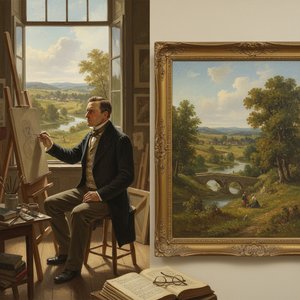
The Poetic Truth of Observation: Exploring 19th-Century Realism in Painting
Explore the captivating world of 19th-century Realism! Discover key artists like Courbet & Millet, masterpieces, and the powerful social commentary behind this influential art movement. Expert insights at OriginalUniqueArt.

10 Obras Maestras del Realismo Romántico que Debes Conocer
Explora la emoción y el detalle del Realismo Romántico. Un viaje por 10 obras maestras que capturan la esencia humana con técnica y alma. Encuentra inspiración y reproducciones de calidad museo para tu hogar en OriginalUniqueArt.com. ¡Descubre toda la colección online!

The Evocative Embrace of Reality: Exploring Romantic Realism in 19th-Century Painting
Explore the captivating world of Romantic Realism! Discover key artists like Courbet & Millet, masterpieces, and the social context behind this influential art movement. Expert insights for collectors at OriginalUniqueArt.