Vista previa
 Compartir
 Compartir
 Ver detalles
 Guía
Guía

 Descargar
 Ver artículos similares
 Radiografía
 Presentación de diapositivas
 Estadísticas
The Lemon Tree


 Leer más
Giclée / Impresión de arte
Impresiones giclée o en lienzo de calidad de museo con producción rápida y opciones de acabado flexibles. ( Encargar reproducción pintada a mano Ver versión en imagen digital)




P118B €10

P118H €10

P118W €10

P438Z €10

P508JH €12

P508YH €12

P805H €10

P805Z €10

P919BZ €10

P919G €10

P919XJ €10

P959ZH €10

P968JZ €12

W106C €8

W218G €10

W218JH €8

W218Y €10

W307PJ €10

W316G €10

W316PJ €8

W316Y €10

W398PJ €8

W4111J €10

W500HY €15

W500JH €15

W692G €12

W849H €8

W940BG €15

W953PJ €8




Elija entre nuestros tamaños predefinidos que respetan las proporciones originales de la obra.

Introduzca el ancho y el alto que necesite para adaptarse a su marco o pared. Una impresión solo puede recortarse, nunca hacerse más grande que la imagen original, por lo que un tamaño con una forma distinta perderá parte de la obra. Le enviaremos una maqueta digital para su aprobación antes de realizar cualquier impresión. La imagen que se muestra en esta página no refleja el recorte real; solo la maqueta lo hace.
Envío a todo el mundo () en 2 semanas en lugar de las 4/5 semanas estándar. (23 octubre)

Envío exprés gratuito a todo el mundo

Lienzo de lino de alta calidad

Seguro de envío completo

Garantía de reembolso de impuestos aduaneros

Garantía de fidelidad cromática exacta

Política de devolución de 100 días (solo por defectos)

Garantía de devolución del 100% del dinero

Oferta por volumen
 La opción de vidrio solo está disponible en tamaños inferiores a 110 cm.

The Lemon Tree
Giclée / Impresión de arte
Tamaño de la reproducción
-


Precio total
€ 70
A Sun-Drenched Symphony of Color and Light
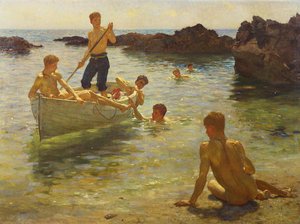
In the luminous realm of Henry Scott Tuke’s The Lemon Tree, the viewer is immediately transported to a Mediterranean-inspired sanctuary where the boundaries between nature and tranquility dissolve. This exquisite oil on canvas serves as a breathtaking testament to the artist's mastery of light, presenting a central lemon tree that acts as a vibrant anchor for the entire composition. The fruit itself—heavy, ripe, and bursting with a brilliant yellow hue—seems to glow from within, casting a warm radiance across the scene. Tuke’s ability to capture the tactile essence of the citrus, from the textured rind to the delicate weight of the branches, creates an immersive sensory experience that invites the observer to step directly into this sun-soaked grove.
Beyond the mere depiction of flora, the painting weaves a complex tapestry of texture and depth. The artist employs a technique where bold yet delicate brushstrokes dance across the canvas, defining the intricate network of leaves and branches with an almost rhythmic precision. This interplay of light and shadow creates a profound sense of dimensionality; one can almost feel the warmth of the sun filtering through the canopy. Scattered amongst the lemons, hints of oranges add unexpected pops of color, enriching the palette and contributing to a lush, bountiful atmosphere that celebrates the fecundity of the natural world.
The Human Element and the Impressionist Spirit
While the lemon tree commands the spotlight, Tuke subtly integrates human presence to breathe life and narrative into the landscape. Two figures are positioned within the scene—one standing near the left periphery and another nestled further back on the right—acting as quiet observers of this natural splendor. These figures do not dominate the work; rather, they serve as a bridge between humanity and the wild beauty of the earth, suggesting a moment of peaceful coexistence and quiet contemplation. Their presence adds a layer of storytelling, transforming a botanical study into a lived experience, where the scale of nature is both celebrated and respected.
As a prominent figure associated with the Newlyn School, Tuke brought an en plein air sensibility to his work, a technique heavily influenced by his time in Paris. This influence is palpable in The Lemon Tree through its vibrant, impressionistic use of color and its focus on capturing the fleeting effects of natural light. For collectors and interior designers alike, this piece offers more than just visual beauty; it provides an emotional anchor for any space. The painting’s ability to evoke feelings of serenity, warmth, and vitality makes it a timeless choice for those seeking to infuse their environments with the restorative power of classical Impressionism.
Whether viewed as a study of botanical brilliance or a poetic meditation on summer afternoons, this masterpiece remains an enduring jewel of British art. It stands as a perfect acquisition for the discerning enthusiast who appreciates the delicate balance of technical rigor and emotional resonance, offering a window into a world where nature remains eternally bright and unblemished.
Preguntas y respuestas
¿Qué emoción transmite "The Lemon Tree" de Henry Scott Tuke?
"The Lemon Tree" se asocia con un sentimiento Calm. El tono emocional describe la impresión que transmite la obra.
¿Qué orientación tiene "The Lemon Tree" de Henry Scott Tuke?
El formato de "The Lemon Tree" es Landscape. Esto resulta útil al planificar dónde se colocará una reproducción.
¿Es Henry Scott Tuke, creador de "The Lemon Tree", conocido bajo otros nombres?
Henry Scott Tuke también es conocido como H.S. Tuke.
Biografía del artista
Primeros años y educación
Henry Scott Tuke, un destacado artista visual inglés, nació el 12 de junio de 1858 en Lawrence Street, York, dentro de una familia cuáquera. Su padre, Daniel Hack Tuke, era un médico reconocido especializado en psiquiatría. La vida temprana de Tuke se caracterizó por una fuerte inclinación hacia el arte, alentada por su familia.Carrera artística
El viaje artístico de Tuke comenzó con su inscripción en la Slade School of Art bajo Alphonse Legros y Sir Edward Poynter en 1875. Más tarde ganó una beca que le permitió continuar sus estudios en la Slade e Italia en 1880. Su tiempo en París desde 1881 hasta 1883, donde conoció a Jules Bastien-Lepage, influyó en su decisión de pintar al aire libre (en plein air).- El trabajo más notable de Tuke fue en el estilo impresionista.
- Es conocido principalmente por sus pinturas de niños y jóvenes desnudos, un tema tanto personal como profesionalmente significativo.
- La prolífica carrera de Tuke resultó en más de 1300 obras, incluidas pinturas al óleo de jóvenes, escenas marítimas y retratos de barcos de vela.
Obras destacadas y legado
Algunas de las obras más notables de Tuke incluyen:- El sueño del niño, un ejemplo conmovedor de su estilo impresionista.
- Agosto, azul, que muestra su habilidad para capturar la esencia de la juventud y la naturaleza.
- Barcos de vela en Newlyn, destacando su arte marítimo.
Vida posterior y muerte
Tuke sufrió un ataque cardíaco en 1928 y falleció el 13 de marzo de 1929. A pesar de saber que su trabajo ya no estaba de moda hacia el final de su vida, la generosidad de Tuke con sus modelos, muchos de los cuales eran jóvenes, habla mucho sobre su carácter.El legado artístico de Tuke: una mezcla de impresionismo e intimidad
Su obra, aunque a menudo eclipsada por contemporáneos más llamativos, sigue siendo un testimonio del poder perdurable del arte impresionista y la forma humana. El legado de Tuke no está solo en sus pinturas, sino también en las vidas que tocó, tanto como artista como persona.
Henry Scott Tuke
1858 - 1929 , Reino Unido
Datos clave
- Artistas Que Influyeron:
- Alphonse Legros
- Jules Bastien-Lepage
- John Singer Sargent
- Fecha De Fallecimiento: 13 de marzo de 1929
- Fecha De Nacimiento: 12 de junio de 1858
- Influenciado A Artistas: ['Newlyn School']
- Lugar De Nacimiento: York, Reino Unido
- Movimiento Artístico: Impresionismo
- Nacionalidad: Británico
- Nombre Completo: Henry Scott Tuke
- Obras Notables:
- The Boy’s Dream
- August, Blue
- Sailing Ships at Newlyn
Artículos relacionados
The Soul of Impressionism: Why Oil on Canvas Captures Eternal Light and Timeless Emotion
Discover the enchanting alchemy of Impressionism. Explore how the mastery of oil on canvas, through glazing and impasto, captures eternal light and emotion. Perfect for lovers of Monet and Van Gogh seeking the profound depth of hand-painted fine art.

Paul Cézanne: Las 25 Obras Maestras que Definieron el Arte Moderno | OriginalUniqueArt
Descubre las 25 obras maestras de Paul Cézanne que revolucionaron el arte moderno. Explora su técnica, inspiración y significado en paisajes, bodegones y retratos. Reproducciones de alta calidad para decorar tu hogar con arte inolvidable. ¡Explora la colección completa en OriginalUniqueArt.com!
Renoir: Las 25 Obras Maestras del Impresionismo para Decorar tu Hogar con Arte
Descubre las 25 obras maestras de Renoir, el rey del impresionismo. Explora su técnica, historia y significado en cada pintura. Encuentra reproducciones de arte de alta calidad para decorar tu hogar con OriginalUniqueArt.com.
Claude Monet: Las 25 Obras Maestras del Impresionismo para Decorar tu Hogar con Arte
Descubre las 25 obras maestras de Claude Monet, el padre del impresionismo. Explora la historia, técnica y belleza de sus paisajes, nenúfares y 'Impresión, sole levant'. Encuentra reproducciones de arte exclusivas en OriginalUniqueArt.com.
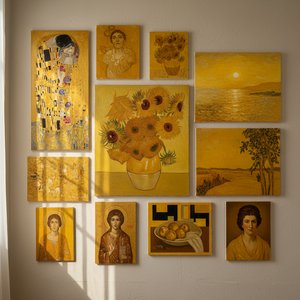
Los 10 cuadros más famosos dominados por el ocre amarillo: Arte y decoración atemporal
Descubre los 10 cuadros más famosos con tonos ocres amarillos. Explora la historia de Van Gogh, Monet y otros artistas clave del impresionismo y postimpresionismo. Encuentra reproducciones de arte de museo en .