
 Vista previa
 Compartir
 Compartir
 Ver detalles

 Descargar
 Ver similares
 Radiografía
 Presentación de diapositivas
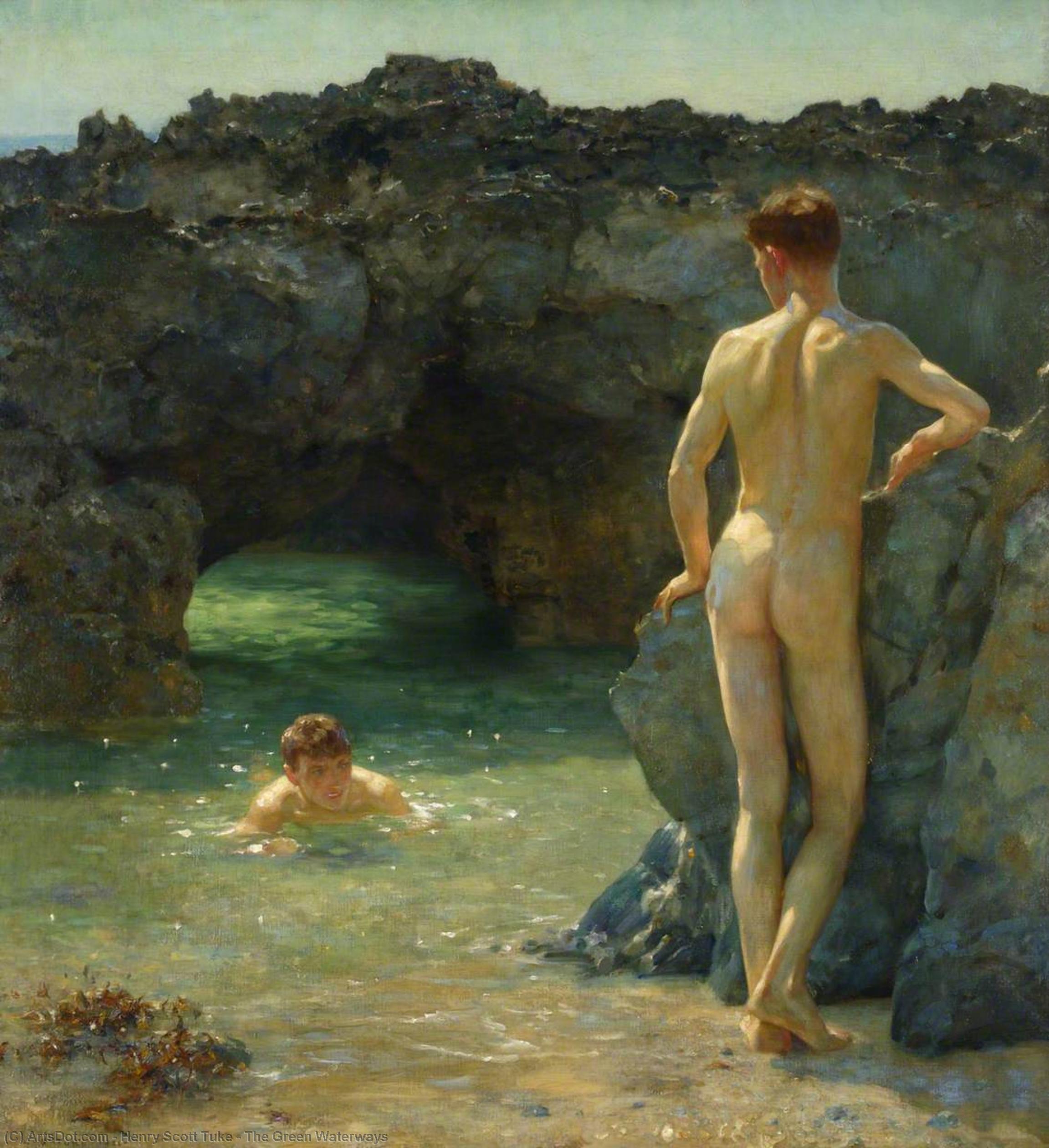
The Green Waterways


 Leer más
Reproducción al óleo hecha a mano
Óleo sobre lienzo pintado a mano en el tamaño y marco de su elección, realizado por encargo por nuestros artistas. ( Pedir impresión Comprar descarga)




P118B $10

P118H $10

P118W $10

P438Z $10

P508JH $12

P508YH $12

P805H $10

P805Z $10

P919BZ $10

P919G $10

P919XJ $10

P959ZH $10

P968JZ $12

W106C $8

W218G $10

W218JH $8

W218Y $10

W307PJ $10

W316G $10

W316PJ $8

W316Y $10

W398PJ $8

W4111J $10

W500HY $15

W500JH $15

W692G $12

W849H $8

W940BG $15

W953PJ $8




Elija entre nuestros tamaños predefinidos que respetan las proporciones originales de la obra.

Puede ingresar sus propias dimensiones para adaptarse a un marco o espacio específico. Si el tamaño seleccionado no coincide con las proporciones de la imagen original, recortaremos la obra o extenderemos la pintura con elementos adicionales pintados a mano. Se le enviará una maqueta digital para su aprobación antes de comenzar la producción.
Tenga en cuenta que la vista previa en pantalla no refleja el recorte o la extensión reales. Solo la maqueta mostrará con precisión la composición final.
Si bien existen tamaños personalizados, recomendamos seleccionar una dimensión de la lista predefinida para preservar las proporciones originales.
Tras realizar el pedido, el equipo de OriginalUniqueArt.com enviará un correo electrónico al cliente para solicitar instrucciones y proporcionarle una vista previa del boceto.
Envío a todo el mundo () en 3-4 semanas en lugar de las 5 semanas estándar. (21 agosto). Sin comprometer la calidad.

Envío exprés gratuito a todo el mundo

Lienzo de lino de alta calidad

Seguro de envío completo

Garantía de reembolso de aranceles aduaneros

Garantía de fidelidad cromática exacta

Política de devolución de 60 días (solo por defectos)

Garantía de devolución del 100% del dinero

Oferta por volumen
 La opción de vidrio solo está disponible en tamaños inferiores a 110 cm.

The Green Waterways
Técnica de reproducción
Tamaño de la reproducción
-


Precio total
$ 300
Descripción de la obra
A Moment Suspended in Emerald Depths
Henry Scott Tuke's The Green Waterways invites the viewer into a private, sun-dappled sanctuary where the boundary between human form and natural element dissolves. This captivating oil on canvas, painted in 1926, is more than just a depiction of leisure; it is an immersion into a moment of profound connection—both between two figures and between life itself and its aqueous cradle. The scene unfolds with remarkable balance: one figure stands anchored to the solid reality of the rocks, gazing outward or perhaps inward, while his companion drifts in the cool embrace of the water below. Tuke masterfully captures the interplay of light filtering through the surface, illuminating skin tones against the deep, verdant hues of the surrounding waterways.
Mastery of Light and Form
Technically, the painting showcases Tuke's commitment to realism, yet it breathes with the suggestive spirit of Impressionism. While his style retains a meticulous attention to detail—visible in the texture of the wet stone and the subtle musculature beneath the water’s surface—the overall effect is one of luminous immediacy. One can almost feel the cool spray on the skin and hear the gentle lapping of the current. Tuke, whose career saw him influenced by masters like Monet, translates that pioneering spirit into a more intimate, almost mythological tableau. The composition guides the eye naturally from the foreground rocks, through the verticality of the standing man, down to the mysterious depth where the second figure resides, creating an undeniable sense of perspective and depth.
Symbolism of Water and Nudity
The choice of subject matter—two nude figures in a natural waterway—lends the piece layers of symbolic resonance. Water has always been the ultimate symbol of transition, rebirth, and the subconscious mind. Here, it acts as both a physical setting and an emotional medium, suggesting vulnerability alongside profound freedom. The nudity strips away artifice, presenting the human form in its most elemental state, allowing the viewer to contemplate themes of naturalism, repose, and uninhibited connection. It speaks to a timeless human desire to return to nature's embrace.
An Echo of Artistic Tradition
To appreciate The Green Waterways is to appreciate Tuke’s place within the lineage of great British art. His work echoes the pastoral concerns of earlier masters while embracing the modern sensibility for capturing fleeting moments. For those who collect pieces that evoke a sense of serene escape, this painting offers an unparalleled depth. Whether displayed in a gallery setting or used as a focal point in a thoughtfully designed interior space, its quiet drama and rich palette promise to elevate any room with its sophisticated blend of classical subject matter and modern execution.
Biografía del artista
Primeros años y educación
Henry Scott Tuke, un destacado artista visual inglés, nació el 12 de junio de 1858 en Lawrence Street, York, dentro de una familia cuáquera. Su padre, Daniel Hack Tuke, era un médico reconocido especializado en psiquiatría. La vida temprana de Tuke se caracterizó por una fuerte inclinación hacia el arte, alentada por su familia.Carrera artística
El viaje artístico de Tuke comenzó con su inscripción en la Slade School of Art bajo Alphonse Legros y Sir Edward Poynter en 1875. Más tarde ganó una beca que le permitió continuar sus estudios en la Slade e Italia en 1880. Su tiempo en París desde 1881 hasta 1883, donde conoció a Jules Bastien-Lepage, influyó en su decisión de pintar al aire libre (en plein air).- El trabajo más notable de Tuke fue en el estilo impresionista.
- Es conocido principalmente por sus pinturas de niños y jóvenes desnudos, un tema tanto personal como profesionalmente significativo.
- La prolífica carrera de Tuke resultó en más de 1300 obras, incluidas pinturas al óleo de jóvenes, escenas marítimas y retratos de barcos de vela.
Obras destacadas y legado
Algunas de las obras más notables de Tuke incluyen:- El sueño del niño, un ejemplo conmovedor de su estilo impresionista.
- Agosto, azul, que muestra su habilidad para capturar la esencia de la juventud y la naturaleza.
- Barcos de vela en Newlyn, destacando su arte marítimo.
Vida posterior y muerte
Tuke sufrió un ataque cardíaco en 1928 y falleció el 13 de marzo de 1929. A pesar de saber que su trabajo ya no estaba de moda hacia el final de su vida, la generosidad de Tuke con sus modelos, muchos de los cuales eran jóvenes, habla mucho sobre su carácter.El legado artístico de Tuke: una mezcla de impresionismo e intimidad
Su obra, aunque a menudo eclipsada por contemporáneos más llamativos, sigue siendo un testimonio del poder perdurable del arte impresionista y la forma humana. El legado de Tuke no está solo en sus pinturas, sino también en las vidas que tocó, tanto como artista como persona.
Henry Scott Tuke
1858 - 1929 , Reino Unido
Datos clave
- Artistas Que Influyeron:
- Alphonse Legros
- Jules Bastien-Lepage
- John Singer Sargent
- Fecha De Fallecimiento: 13 de marzo de 1929
- Fecha De Nacimiento: 12 de junio de 1858
- Influenciado A Artistas: ['Newlyn School']
- Lugar De Nacimiento: York, Reino Unido
- Movimiento Artístico: Impresionismo
- Nacionalidad: Británico
- Nombre Completo: Henry Scott Tuke
- Obras Notables:
- The Boy’s Dream
- August, Blue
- Sailing Ships at Newlyn
Artículos relacionados

Impressionistic Realism's Finest: 10 Masterpieces for Your Home | OriginalUniqueArt
Journey through Impressionistic Realism with 10 iconic masterpieces by Monet, Renoir & Van Gogh. Explore art history, techniques & find museum-quality reproductions for your home at OriginalUniqueArt.com. Discover all masterpieces online!
Impressionist Realism: Mastering the Fusion of Vivid Light and Tactile Detail for Modern Collectors
Discover the captivating world of Impressionist Realism. Explore how masters blend vivid light with raw, tactile detail to create timeless masterpieces perfect for modern collectors seeking high-impact, museum-quality art.

Impressionistic Realism: Where Captivating Light Meets Lifelike Detail
Discover the breathtaking allure of Impressionistic Realism. Explore how master artists blend luminous light with lifelike detail to create timeless works. From iconic landscapes to bespoke oil reproductions, immerse yourself in an era where atmosphere meets exquisite craftsmanship.

The Soul of Impressionism: Why Oil on Canvas Captures Eternal Light and Timeless Emotion
Discover the enchanting alchemy of Impressionism. Explore how the mastery of oil on canvas, through glazing and impasto, captures eternal light and emotion. Perfect for lovers of Monet and Van Gogh seeking the profound depth of hand-painted fine art.
Fluid Reflections: Exploring Water's Symbolism in Art History – From Myth to Impressionism
Explore the rich symbolism of water in art history – from ancient myths to Impressionism's fleeting beauty. Discover masterpieces & find your perfect serene artwork with OriginalUniqueArt.com.



