

 Vista previa
 Compartir
 Compartir
 Ver detalles

 Descargar
 Ver artículos similares
 Radiografía
 Presentación de diapositivas
 Estadísticas
Sir Walter Scott


 Leer más
Reproducción al óleo hecha a mano
Óleo sobre lienzo pintado a mano en el tamaño y marco de su elección, realizado por encargo por nuestros artistas. ( Cambiar a formato impreso Ver versión en imagen digital)




P118B $10

P118H $10

P118W $10

P438Z $10

P508JH $12

P508YH $12

P805H $10

P805Z $10

P919BZ $10

P919G $10

P919XJ $10

P959ZH $10

P968JZ $12

W106C $8

W218G $10

W218JH $8

W218Y $10

W307PJ $10

W316G $10

W316PJ $8

W316Y $10

W398PJ $8

W4111J $10

W500HY $15

W500JH $15

W692G $12

W849H $8

W940BG $15

W953PJ $8




Elija entre nuestros tamaños predefinidos que respetan las proporciones originales de la obra.

Puede ingresar sus propias dimensiones para adaptarse a un marco o espacio específico. Si el tamaño seleccionado no coincide con las proporciones de la imagen original, recortaremos la obra o extenderemos la pintura con elementos adicionales pintados a mano. Se le enviará una maqueta digital para su aprobación antes de comenzar la producción.
Tenga en cuenta que la vista previa en pantalla no refleja el recorte o la extensión reales. Solo la maqueta mostrará con precisión la composición final.
Si bien existen tamaños personalizados, recomendamos seleccionar una dimensión de la lista predefinida para preservar las proporciones originales.
Tras realizar el pedido, el equipo de OriginalUniqueArt.com enviará un correo electrónico al cliente para solicitar instrucciones y proporcionarle una vista previa del boceto.
Envío a todo el mundo () en 3-4 semanas en lugar de las 5 semanas estándar. (17 septiembre). Sin comprometer la calidad.

Envío exprés gratuito a todo el mundo

Lienzo de lino de alta calidad

Seguro de envío completo

Garantía de reembolso de impuestos aduaneros

Garantía de fidelidad cromática exacta

Política de devolución de 100 días (solo por defectos)

Garantía de devolución del 100% del dinero

Oferta por volumen
 La opción de vidrio solo está disponible en tamaños inferiores a 110 cm.

Sir Walter Scott
Técnica de reproducción
Tamaño de la reproducción
-


Precio total
$ 300
Sir Walter Scott, A Portrait of Romanticism
Henry Raeburn’s “Portrait of Sir Walter Scott” is more than just a likeness; it's a carefully constructed tableau of Scottish identity and the burgeoning spirit of the Romantic era. Completed in 1822, this iconic painting captures not merely the physical appearance of the celebrated novelist but also his intellectual presence, his connection to the land, and the weight of his literary legacy. The portrait immediately draws the eye with its dramatic lighting – a chiaroscuro technique borrowed from Caravaggio – that sculpts Scott’s features and imbues the scene with an almost theatrical intensity. The dark background serves not as mere backdrop but as a deliberate framing device, intensifying the focus on the subject and suggesting a world of stories waiting to be unveiled.
Raeburn's masterful handling of texture is equally compelling. The rich velvet of Scott’s robe, the worn leather of his slippers, and even the subtle sheen of his spectacles are rendered with painstaking detail. This meticulous realism, however, isn’t simply about accurate representation; it’s a deliberate choice to ground the portrait in the tangible world – a world that Scott so vividly brought to life through his novels. The inclusion of Maida, Scott's beloved terrier, nestled at his feet adds an element of warmth and domesticity, subtly hinting at the author’s deep connection to nature and his appreciation for simple pleasures.
The Context of a Literary Icon
Sir Walter Scott (1771-1832) was arguably the most influential novelist of his time. His works – *Waverley*, *Rob Roy*, *Ivanhoe* – not only popularized the historical novel but also played a crucial role in shaping Scottish national identity and fostering a renewed interest in its rich folklore and traditions. Raeburn, as Portrait Painter to King George IV in Scotland, was tasked with immortalizing this literary giant, and he understood that the portrait needed to convey more than just Scott’s appearance; it had to embody his spirit and legacy.
The painting was commissioned during a period of significant social and political change in Britain. The Napoleonic Wars were drawing to a close, and there was a growing sense of national pride and a desire to celebrate British achievements. Scott's success coincided with this mood, and his portraits became symbols of Scottish cultural prestige. Furthermore, the portrait’s creation coincided with Raeburn’s own rising fame; it cemented his position as one of Scotland’s most important artists.
A Study in Light and Character
Raeburn's technique is characterized by a remarkable ability to capture character through subtle details. Scott’s gaze, direct and intelligent, invites the viewer into his world. His slightly furrowed brow suggests deep thought, while the hint of a smile hints at wit and wisdom. The artist skillfully uses light and shadow to define Scott’s features, creating a sense of depth and volume that is both realistic and expressive.
The composition itself is carefully considered. Scott is positioned slightly off-center, drawing the eye across the canvas and creating a dynamic visual balance. The arrangement of his clothing – the velvet robe, the leather slippers, the spectacles – contributes to the overall sense of character and reinforces Scott’s status as a man of both refinement and practicality. Notice how Raeburn has used the light to highlight the texture of the fabrics, adding another layer of richness and detail to the portrait.
Symbolism and Enduring Legacy
Beyond its technical brilliance, “Portrait of Sir Walter Scott” is rich in symbolism. The dog Maida represents loyalty and companionship – qualities that were highly valued by Scott himself. The books stacked on a nearby table suggest his lifelong devotion to literature and scholarship. And the overall atmosphere of quiet contemplation reflects Scott’s role as a storyteller and a chronicler of Scottish history.
Today, this painting remains one of Raeburn's most celebrated works and a powerful symbol of Scottish culture. It is housed in the National Gallery of Scotland in Edinburgh, where it continues to captivate viewers with its beauty, its insight, and its enduring legacy. Reproductions offer an accessible way to experience the artistry and historical significance of this remarkable portrait, bringing the spirit of Sir Walter Scott into any space.
Biografía del artista
Una Pionera en el Campo de la Pintura
Sir Henry Raeburn FRSE RA, un retratista escocés, dejó una huella imborrable en el mundo del arte con sus cautivadoras obras. Nacido el 4 de marzo de 1756 en Stockbridge, Edimburgo, Escocia, el viaje artístico de Raeburn es un testimonio de su dedicación y pasión.Vida Temprana y Formación
Huérfano a temprana edad, Raeburn fue apoyado por su hermano William y colocado en el Hospital Heriot, donde recibió una educación. A los 15 años, fue aprendiz del orfebre James Gilliland de Edimburgo, perfeccionando sus habilidades en la joyería y los delicados dibujos sobre marfil.Evolución Artística
La transición de Raeburn de los miniaturas a la pintura al óleo marcó un punto de inflexión en su carrera. Adquirió las habilidades necesarias para dedicarse exclusivamente a la pintura, siendo George Chalmers (1776; Ayuntamiento de Dunfermline) su retrato conocido más temprano. Su estilo se caracterizó por una gran atención al detalle y un realismo que capturaba la personalidad de sus modelos.Obras Destacadas y Asociaciones
- El joven jugador de polo de William Bruce Ellis Ranken muestra el talento excepcional de Raeburn para capturar movimiento y energía.
- Alexander Allan, una figura destacada en el arte escocés, fue retratado por Raeburn, lo que destaca su capacidad para capturar la esencia de sus sujetos.
Legado e Importancia Histórica
El impacto de Raeburn en el arte escocés es innegable. Su dedicación a capturar la esencia de sus sujetos lo ha convertido en un pionero en el mundo del retrato. Como Sir Henry Raeburn FRSE RA, sigue siendo una parte integral del rico patrimonio artístico de Escocia. Su obra se encuentra en importantes colecciones y museos alrededor del mundo, lo que demuestra su influencia duradera en la historia del arte.- Vea más obras de Sir Henry Raeburn FRSE RA en https://OriginalUniqueArt.com/@/henry-raeburn
- Explore la Galería Nacional Escocesa (Edimburgo, Escocia) en https://OriginalUniqueArt.com/@@/d3y8vu-william-mctaggart-spring
- Descubra más sobre el arte escocés en https://en.wikipedia.org/wiki/scottish_art_in_the_eighteenth_century

Henry Raeburn
1756 - 1823 , Reino Unido
Datos clave
- Artistas Influyentes: ['George Chalmers']
- Estilo Artístico: Retrato realista
- Fecha De Muerte: 1823
- Fecha De Nacimiento: 4 de marzo de 1756
- Lugar De Nacimiento: Stockbridge, Reino Unido
- Nacionalidad: Escocés
- Nombre Completo: Henry Raeburn
- Obras Notables:
- Los Arqueros
- Alexander Allan
- The Young Polo Player
Artículos relacionados

Henry Raeburn Dobson: A Scottish Colourist Bridging Tradition & Modernity
Explore the life & work of Henry Raeburn Dobson, a key figure bridging Scottish tradition & modern art. Discover his neoclassical portraits, landscapes, and connection to the Colourists. Learn about collecting his works.
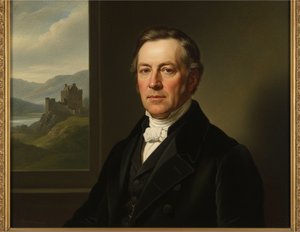
Henry Raeburn: A Scottish Portraitist's Mastery of Light, Character & National Identity
Explore the life & work of Henry Raeburn, a master Scottish portraitist. Discover his innovative techniques, captivating portraits of the Enlightenment era, and lasting legacy in art history. Learn more at OriginalUniqueArt.
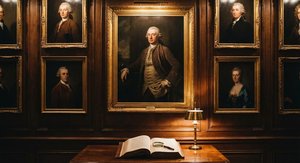
Sir Joshua Reynolds: Las 25 Obras Maestras del Retrato Inglés | OriginalUniqueArt
Descubre las 25 obras maestras de Sir Joshua Reynolds, el pintor inglés que elevó el retrato a la categoría de arte. Explora su técnica clásica, estilo rococó y significado histórico en OriginalUniqueArt.com. ¡Encuentra reproducciones de alta calidad para tu hogar!

Alfred Munnings: Las 25 Obras Maestras del Pintor de Caballos | OriginalUniqueArt
Descubre las 25 obras maestras de Alfred Munnings, el pintor británico de caballos por excelencia. Explora su impresionismo inglés, escenas campestres y técnica única. Encuentra reproducciones de arte de alta calidad en OriginalUniqueArt.com.
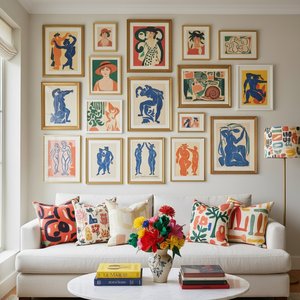
Henri Matisse: Las 25 Obras Maestras que Definieron un Genio del Color | OriginalUniqueArt
Descubre las 25 obras maestras de Henri Matisse, el rey del color y padre del fauvismo. Explora su arte moderno, lienzos vibrantes y la historia detrás de cada pintura icónica. Encuentra reproducciones de alta calidad en OriginalUniqueArt.com.


