 Cambiar a impresiones
 Ver más







































 Para obras de arte o reproducciones que midan más de 105 cm (aproximadamente 41 pulgadas) en cualquiera de sus lados, el marco se enviará como un kit desmontado. Este método garantiza una entrega segura y evita daños durante el transporte.


Henry Raeburn: A Scottish Portraitist's Mastery of Light, Character & National Identity
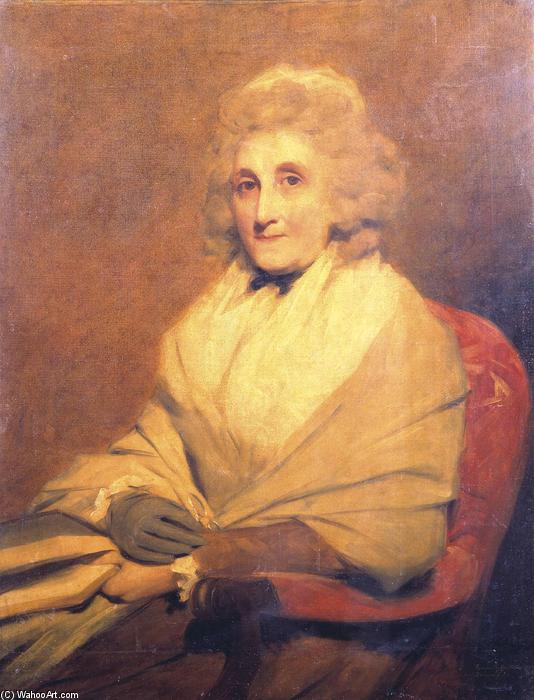
Sir Henry Raeburn (1756–1823) stands as an unparalleled figure in the annals of British portraiture—a testament to artistic vision and unwavering dedication. Born amidst the intellectual fervor of the Scottish Enlightenment, his journey from humble beginnings to royal patronage exemplifies the transformative power of talent and perseverance. Orphaned at a young age, Raeburn’s formative years were shaped by the steadfast support of his brother William, who secured him an education at Heriot's Hospital in Edinburgh—a foundation that would prove instrumental in nurturing his burgeoning artistic inclinations. This early grounding instilled within him a meticulous attention to detail and a profound understanding of observation, qualities that would become hallmarks of his distinctive style. His apprenticeship under James Gilliland, the esteemed goldsmith, honed his technical skills and introduced him to the intricacies of crafting miniature portraits on ivory—a medium favored by discerning collectors and celebrated for its ability to capture subtle nuances of expression. However, Raeburn’s artistic ambitions extended far beyond mere replication; he sought to imbue his canvases with a palpable sense of life, striving to convey not just likeness but also the very essence of his subjects' personalities. This pursuit of psychological realism distinguishes him from many of his contemporaries and elevates his work to a level of enduring artistic merit. The influence of David Martin—Allan Ramsay’s former assistant—further solidified Raeburn’s stylistic trajectory, guiding him toward mastering oil painting techniques that prioritized tonal gradation and atmospheric perspective. He meticulously studied the works of Michelangelo, recognizing the importance of capturing monumental grandeur while simultaneously conveying emotional depth—a lesson that profoundly impacted his artistic sensibilities. Notably, he embraced a revolutionary approach to portraiture by utilizing a technique known as “drawing from life,” painstakingly sketching his subjects before applying paint—a method that ensured unparalleled accuracy and immediacy. Raeburn’s prolific output spanned decades, producing an impressive array of portraits depicting figures from across the spectrum of Scottish society—aristocrats, clergymen, scholars, and statesmen alike. His canvases are imbued with a remarkable sensitivity to light and shadow, skillfully manipulating tonal values to sculpt form and evoke mood. Moreover, Raeburn's compositions often incorporate symbolic elements that reflect his subjects’ virtues or aspirations—a characteristic feature of Neo-classical portraiture that underscores the artist’s intellectual engagement with philosophical ideas. Consider “Mrs Cay,” a captivating depiction of Lady Georgiana Stuart (née Sutherland), commissioned by her husband Robert Stewart, 3rd Earl of Uxbridge. Painted in 1823, shortly before Raeburn's death, this portrait exemplifies his mastery of tonal gradation and psychological observation. The muted palette—dominated by earthy browns and creams—creates a serene atmosphere that subtly conveys Lady Stuart’s dignified composure. Her gaze is direct yet contemplative, hinting at inner thoughts and emotions beyond the surface appearance. The inclusion of a shawl draped around her shoulders adds textural richness to the composition and reinforces the image's sense of intimacy. Raeburn’s meticulous attention to detail—evident in the rendering of Lady Stuart’s hair and clothing—demonstrates his unwavering commitment to artistic excellence. Ultimately, Henry Raeburn’s legacy resides not merely in his technical prowess but also in his profound understanding of human character and his ability to translate complex psychological states onto canvas. His portraits continue to resonate with viewers today, offering glimpses into the lives and sensibilities of a bygone era—a testament to the enduring power of art to illuminate the human condition.- Artist: Henry Raeburn (1756–1823)
- Medium: Oil on Canvas
- Style: Neo-Classical
- Notable Technique: Drawing from Life, Atmospheric Perspective
- Historical Context: Scottish Enlightenment
Symbolism & Emotional Impact
The subdued color palette of “Mrs Cay”—primarily browns and creams—serves to heighten the portrait’s contemplative mood. The careful positioning of Lady Stuart's gaze directs the viewer's attention inward, inviting reflection on her inner thoughts and emotions. Furthermore, the shawl symbolizes warmth and comfort, subtly conveying Lady Stuart’s grace and refinement. Raeburn’s masterful use of tonal gradation sculpts form and creates a sense of depth—enhancing the portrait’s visual impact and capturing the essence of its subject's personality.Technical Considerations
Raeburn’s technique involved painstakingly sketching his subjects from life before applying paint—a method that ensured unparalleled accuracy and immediacy. He meticulously studied Michelangelo’s monumental sculptures, recognizing the importance of conveying grandeur while simultaneously capturing emotional depth. The artist's mastery of oil painting techniques—particularly tonal gradation and atmospheric perspective—contributed significantly to the portrait’s luminous quality and its ability to evoke mood.Legacy & Influence
Henry Raeburn remains a pivotal figure in British art history, celebrated for his innovative approach to portraiture and his unwavering dedication to artistic excellence. His influence can be discerned in subsequent generations of painters who sought to emulate his stylistic vision—solidifying his place as one of Scotland’s most revered artists.Preguntas y respuestas
¿Cómo se describe la atmósfera de "Mrs Cay" de Henry Raeburn?
El ambiente general de "Mrs Cay" de Henry Raeburn es Elegant. Esta atmósfera describe la esencia de la obra.
¿Qué tipo de obra es "Mrs Cay" de Henry Raeburn?
"Mrs Cay" es una obra de WallArt.
¿Se puede visualizar "Mrs Cay" con una vista previa en realidad aumentada?
Puedes visualizar "Mrs Cay" de Henry Raeburn en tu propia pared con la página de Vista previa en RA de la obra, utilizando realidad aumentada en un dispositivo compatible.
 Ver en contexto
 Enviar
 Compartir
 Detalles
 Guía
Guía

 Descargar
 Similares
 Radiografía
 Presentación de diapositivas
 Q&A
Q&A Estadísticas