
() ·
Una pintura hecha para ti, a mano
Reproducción al óleo hecha a mano
Óleo sobre lienzo pintado a mano en el tamaño y marco de su elección, realizado por encargo por nuestros artistas. ( Cambiar a impresiones Cambiar a imagen digital)
Descripción del objeto
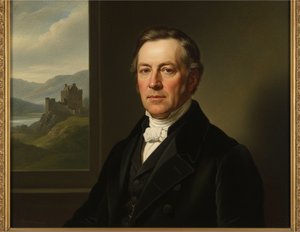
Admire 'Those Were the Days' by Henry Macbeth Raeburn – a poignant 1946 portrait in a muted palette. Explore this realist masterpiece & discover its rich history.
Biografía del artista
¡Descubre el bordado y diseño de Henry Macbeth Raeburn! Artista del Glasgow Movement clave en textiles educativos y pancartas sufragistas.
 Ver más
desde ·
Capítulo 1
¿Qué tamaño debería tener?
Deslice para cambiar el tamaño; la imagen de la izquierda muestra el marco con su anchura real. Se mantienen las proporciones originales.
Elija entre nuestros tamaños predefinidos que respetan las proporciones originales de la obra.

Indique el ancho y el alto que necesite para adaptarse a su marco o pared. Al tratarse de una obra pintada a mano, si requiere un tamaño con una proporción distinta, el artista puede pintar un poco más alrededor de la imagen o recortarla ligeramente; usted elige. Le enviaremos una maqueta digital para su aprobación antes de comenzar la pintura. La imagen que se muestra en esta página no refleja el resultado real; solo la maqueta lo hace.
Capítulo 2
¿Cómo debe llegar?
Elige el acabado de los bordes del lienzo
Elige tu marco

Blanco €1

Bordes difuminados €1

Continuación de imagen €1

P118B €10

P118H €10

P118W €10

P438Z €10

P508JH €12

P508YH €12

P805H €10

P805Z €10

P919BZ €10

P919G €10

P919XJ €10

P959ZH €10

P968JZ €12

W106C €8

W218G €10

W218JH €8

W218Y €10

W307PJ €10

W316G €10

W316PJ €8

W316Y €10

W398PJ €8

W4111J €10

W500HY €15

W500JH €15

W692G €12

W849H €8

W940BG €15

W953PJ €8

H24-GOLD €30

H24-SILVER €30

H36-GOLD €45

H36-SILVER €45
Con marco
Moldura: . Dimensiones totales con marco: .
Capítulo 3
¿Quién lo pinta y debería cambiar algo?
Tras realizar el pedido, el equipo de OriginalUniqueArt.com enviará un correo electrónico al cliente para solicitar instrucciones y proporcionar una vista previa del boceto
Envío a todo el mundo () en 3-4 semanas en lugar de las 5 semanas estándar. (7 noviembre). Sin comprometer la calidad.
Capítulo 4
Los últimos retoques
¿Una placa de identificación, como en un museo?
Detalles de la placa de bronce grabada
This elegant plaque features the artist's name and the title of the artwork, finely engraved for a timeless presentation.
It is made from bronze with a refined, elegant finish. The text is precisely laser-engraved for a sharp and permanent result. Measuring 9x2 cm, the plaque is compact yet easy to read. It's built to be durable and scratch-resistant, offering a professional, museum-quality look. Mounting is simple thanks to the included adhesive backing.
Detalles de la placa de acrílico transparente
The plaque includes essential engraved details such as the artist's name, the title of the artwork, the date it was created, the type of media used-like oil on canvas or watercolor-a brief description of the piece, and a QR code that links to the complete artwork information.
It is crafted from clear acrylic, offering a sleek, modern appearance. The text is UV-engraved in black to ensure strong visual contrast. With a size of 10x15 cm, it ensures optimal readability. It comes equipped with two metal hooks for secure wall mounting. The plaque is designed to be weather-resistant, making it suitable for various environments, and it includes interactive features that work seamlessly with smartphone scanning.
Detalles de la placa de acrílico negro
This elegant plaque includes engraved information such as the artist's name, the title of the artwork, the date it was created, the type of media used (like oil on canvas or watercolor), a short description of the artwork, and a QR code for quick access to more information.
The plaque itself is made from refined black acrylic with a premium finish. The text is laser-engraved in white for high contrast and readability. Its size is 10x15 cm, designed to be easy to read. It comes with two metal hooks for professional mounting. The design is sleek and fits any interior style. It is also weather-resistant and durable, with built-in digital integration for mobile compatibility.
¿Un barniz protector?
¿Para cuándo lo necesita?
Capítulo 5
Su pintura, tal como la solicitó

Those Were the Days
Técnica de reproducción
Dimensiones de la reproducción
-

Selección de artistas premium
Mayor nivel de detalle, delicadeza y tiempo de producción adicional
-

Enmarcado de reproducción
-
-
Para obras de arte o reproducciones que midan más de 105 cm (aproximadamente 41 pulgadas) en cualquiera de sus lados, el marco se enviará como un kit desmontado. Este método garantiza una entrega segura y evita daños durante el transporte.
Se requiere montaje profesional: este no es un producto para hacer usted mismo (DIY).
El kit debe ser ensamblado y el lienzo tensado por un enmarcador profesional con experiencia, utilizando cola para madera (no incluida), una tenaza para tensar lienzos y sargentos para mantener los bastidores alineados mientras la cola se seca. Un montaje incorrecto o una tensión desigual del lienzo pueden dañar la obra de arte de forma permanente y no están cubiertos por nuestra garantía.
 Para obras de arte o reproducciones que midan más de 105 cm (aproximadamente 41 pulgadas) en cualquiera de sus lados, el marco se enviará como un kit desmontado. Este método garantiza una entrega segura y evita daños durante el transporte.
Se incluyen todos los listones de madera maciza, cortados con precisión según las medidas.
Se ensambla con los tornillos incluidos, además de cola para madera para las uniones de las esquinas, la cual no se incluye y debe ser proporcionada por su enmarcador.
Se requieren herramientas profesionales que no están incluidas: un alicate para tensar lienzos (tensor) y abrazaderas para mantener los bastidores alineados mientras se seca el pegamento.
Importante:
Las uniones de las esquinas requieren cola para madera, los listones deben sujetarse con prensas hasta que la cola esté completamente seca, y para tensar el lienzo en el bastidor ensamblado se requiere una pinza para tensar lienzos. Ninguno de estos elementos está incluido en el kit. Por favor, contacte con un profesional del enmarcado con experiencia antes de realizar un pedido de este tamaño.

Cartela
-
-

Barniz protector
Barniz brillante (realza los colores y protege contra la luz y la humedad)
-

Personalizar mi obra
Ejemplos de lo que se puede personalizar: sustituir el rostro por una foto del cliente; añadir una mascota (por ejemplo, cambiar un gato por un perro); incluir un mensaje oculto en el fondo; cambiar el paisaje o los elementos del fondo.
-

Envío urgente
Envío a todo el mundo () en 3 o 4 semanas, en lugar de las 5 semanas habituales. (7 noviembre). Sin comprometer la calidad.
-
Envío urgente
Envío internacional () en 5 semanas. (14 noviembre).
Incluido
Precio total final
€ 268
La opción de vidrio solo está disponible en tamaños inferiores a 110 cm.
Incluido en cada pedido
- Envío exprés gratuito a todo el mundo
- Lienzo de lino de alta calidad
- Seguro de envío total
- Garantía de reembolso de aranceles aduaneros
- Garantía de fidelidad cromática exacta
- Política de devolución de 100 días (solo por defectos)
- Garantía de devolución del 100% del dinero
- Descuento por cantidad


 Ver en contexto
 Enviar
 Compartir
 Detalles
 Guía
Guía

 Descargar
 Similares
 Radiografía
 Presentación de diapositivas
 Preguntas y respuestas
 Estadísticas
En cifras
- 1946el año en que fue pintada
- 29marcos disponibles para elegir
- tamaños estándar, en sus propias proporciones
- 5semanas para pintar y entregar la obra
Sobre el original

- 92.0 x 61.0 cm


Henry Macbeth Raeburn
1860 - 1947, Escocia
Datos rápidos sobre Henry Macbeth Raeburn
- Artistic Movement Or Style: Glasgow Movement
- Artists Or Movements Influenced By This Artist:
- Margaret MacDonald
- Charles Rennie Mackintosh
- Artists Who Influenced This Artist: ['Henry Raeburn']
- Date Of Birth: 1860
- Date Of Death: 1947
- Full Name: Henry Macbeth-Raeburn
- Nationality: Británica
- Notable Artworks:
- Sir John Sinclair
- Dr Nathaniel Spens
- Place Of Birth: Helensburgh, Escocia
Biografía del artista
Henry Macbeth Raeburn: Un maestro de la luz y la línea del Glasgow Movement
Henry Macbeth-Raeburn (1860-1947) se erige como una figura de una importancia silenciosa pero profunda dentro del vibrante tapiz del arte británico de finales del siglo XIX y principios del XX. Nacido en Helensburgh, Escocia, en el seno de un linaje artístico que se remontaba a Norman Macbeth, un renombrado retratista, la trayectoria de Henry fue una de dedicación artesanal, evolucionando desde su etapa como estudiante de la Royal Academy hasta convertirse en un respetado grabador profundamente vinculado al Glasgow Movement. Su obra, caracterizada frecuentemente por un detalle meticuloso y un uso sutil pero poderoso de la luz y la sombra, refleja tanto su formación académica como su compromiso con el espíritu innovador de su época.
Sus primeros años le brindaron una inmersión inmediata en la práctica artística. La profesión de su padre como ingeniero mecánico le inculcó un ojo agudo para la precisión, mientras que la herencia artística de su familia —que incluía a su tío Robert Walker Macbeth y a su abuelo Norman Macbeth— fomentó un profundo aprecio por las artes visuales. Inició su formación formal en la Glasgow School of Art, absorbiendo las influencias de maestros como William Cruikshank y desarrollando un estilo distintivo que combinaba el rigor académico con un creciente interés por las tendencias contemporáneas. De manera crucial, adoptó “Macbeth-Raeburn” como su apellido, una elección deliberada para honrar tanto a su ídolo artístico, Henry Raeburn, como para distinguirse dentro del ya establecido círculo artístico de su familia.
El Glasgow Movement y el ascenso de un grabador
La carrera de Henry Macbeth-Raeburn floreció verdaderamente durante su asociación con el Glasgow Movement, un colectivo de artistas, diseñadores y artesanos centrados en torno a Charles Rennie Mackintosh y Margaret MacDonald. Este movimiento buscaba revitalizar el diseño británico mediante una síntesis de artesanía, funcionalidad y expresión artística, rechazando la estética victoriana predominante en favor de un enfoque más moderno y democrático. La obra de Macbeth-Raeburn quedó inextricablemente ligada a este espíritu, particularmente a través de sus contribuciones en la producción de estandartes sufragistas para la Women's Social and Political Union. Estos diseños gráficos y audaces —caracterizados por su imaginería impactante y mensajes poderosos— demostraron su compromiso con las causas sociales y exhibieron sus florecientes habilidades en el grabado reproductivo.
Su labor trascendió la mera decoración; enseñó activamente bordado en la Glasgow School of Art, difundiendo sus técnicas innovadoras y abogando por un cambio en la percepción de la artesanía. Defendió el uso de materiales humildes como el algodón y el lino, argumentando que la belleza podía hallarse no solo en telas lujosas, sino también en la manipante manipulación de los recursos cotidianos. Esta filosofía reflejaba un movimiento más amplio hacia la accesibilidad y la inclusión dentro del mundo del arte.
Técnica y temática
La destreza técnica de Macbeth-Raeburn es evidente de inmediato en sus grabados, que demuestran un dominio extraordinario de las técnicas de la mezzotinta y el aguafuerte. Representaba los detalles con una precisión notable, capturando matices sutiles de luz y textura. Sus temas variaban desde retratos —a menudo inspirados en las obras del propio Henry Raeburn— hasta escenas de paisajes escoceses y figuras históricas. Un elemento clave de su estilo era su capacidad para evocar atmósferas mediante la cuidadosa manipulación de los valores tonales y el peso de la línea. Con frecuencia empleaba una paleta limitada, priorizando la claridad y el impacto por encima del color excesivo.
Su retratística, en particular, revela una astuta comprensión del carácter y la profundidad psicológica. En lugar de simplemente replicar las apariencias superficiales, buscaba capturar la esencia de sus sujetos: sus personalidades, emociones y vidas interiores. Esto es evidente en obras como su grabado basado en “Dr. Nathaniel Spens” de Raeburn, donde Macbeth-Raeburn tradujo con maestría el uso magistral de la luz y la sombra del maestro a un medio contemporáneo.
Legado y reconocimiento
A pesar de trabajar a menudo entre bastidores, Henry Macbeth-Raeburn obtuvo un reconocimiento considerable durante su vida. Fue elegido Asociado de la Royal Academy en 1922 y miembro pleno en 1933, consolidando su lugar dentro del establecido mundo del arte británico. Su obra ha sido exhibida en instituciones prestigiosas, incluyendo la Royal Academy y el Ipswich Art Club, y actualmente forma parte de colecciones como la del British Museum. Su influencia puede observarse en el trabajo de las generaciones posteriores de grabadores y diseñadores, particularmente aquellos asociados con el Glasgow Movement.
Hoy en día, el legado de Henry Macbeth-Raeburn perdura como un testimonio del poder de la dedicación, la innovación y el compromiso social. Sus meticulosos grabados ofrecen una ventana a un período fascinante de la historia del arte británico: una época de experimentación, reforma y un renovado aprecio por la belleza de la artesanía.
Artículos relacionados

Henry Raeburn Dobson: A Scottish Colourist Bridging Tradition & Modernity
Explore the life & work of Henry Raeburn Dobson, a key figure bridging Scottish tradition & modern art. Discover his neoclassical portraits, landscapes, and connection to the Colourists. Learn about collecting his works.

El Óleo sobre Lienzo: Historia, Técnica y la Persistencia de un Medio Artístico Atemporal
Descubre la historia y técnica del óleo sobre lienzo. Explora reproducciones fieles hechas a mano, personalización artística y consejos de expertos con OriginalUniqueArt. ¡Colecciona arte con confianza!
Henry Raeburn: A Scottish Portraitist's Mastery of Light, Character & National Identity
Explore the life & work of Henry Raeburn, a master Scottish portraitist. Discover his innovative techniques, captivating portraits of the Enlightenment era, and lasting legacy in art history. Learn more at OriginalUniqueArt.

Color sin límites: Las 25 mejores obras maestras de Henri Matisse
Explora las 25 obras maestras de Henri Matisse y su vibrante fauvismo. ¡Descubre toda la colección en OriginalUniqueArt.com!