
 Ver en contexto
 Enviar
 Compartir
 Detalles
 Guía
Guía

 Descargar
 Similares
 Radiografía
 Presentación de diapositivas
 Preguntas y respuestas
 Estadísticas
The River Ebble, Wiltshire

- 51.0 x 60.0 cm


 Ver más
La obra de arte que se muestra en esta página está protegida por las leyes de propiedad intelectual, lo que significa que no podemos crear ni vender legalmente una reproducción idéntica. Esta protección se hace cumplir en virtud de acuerdos internacionales como el Convenio de Berna y por las leyes nacionales, incluidas aquellas establecidas por el Ley de derechos de autor de los EE. UU. - Título 17.
Este método cumple plenamente con las normativas de derechos de autor, ya que no implica la copia ni la duplicación de la obra protegida. En su lugar, se trata de una reinterpretación creativa: una nueva pintura influenciada por la original, pero que no es idéntica a ella.
Giclée / Impresión de arte
Impresiones giclée o en lienzo de calidad de museo con producción rápida y opciones de acabado flexibles. ( Comprar pintura hecha a mano Cambiar a imagen digital)




P118B €10

P118H €10

P118W €10

P438Z €10

P508JH €12

P508YH €12

P805H €10

P805Z €10

P919BZ €10

P919G €10

P919XJ €10

P959ZH €10

P968JZ €12

W106C €8

W218G €10

W218JH €8

W218Y €10

W307PJ €10

W316G €10

W316PJ €8

W316Y €10

W398PJ €8

W4111J €10

W500HY €15

W500JH €15

W692G €12

W849H €8

W940BG €15

W953PJ €8




Elija entre nuestros tamaños predefinidos que respetan las proporciones originales de la obra.

Introduzca el ancho y el alto que necesite para adaptarse a su marco o pared. Una impresión solo puede recortarse, nunca hacerse más grande que la imagen original, por lo que un tamaño con una forma distinta perderá parte de la obra. Le enviaremos una maqueta digital para su aprobación antes de realizar cualquier impresión. La imagen que se muestra en esta página no refleja el recorte real; solo la maqueta lo hace.
Envío a todo el mundo () en 2 semanas en lugar de las 4/5 semanas estándar. (6 noviembre)

Envío exprés gratuito a todo el mundo

Lienzo de lino de alta calidad

Seguro de envío total

Garantía de reembolso de aranceles aduaneros

Garantía de fidelidad cromática exacta

Política de devolución de 100 días (solo por defectos)

Garantía de devolución del 100% del dinero

Descuento por cantidad
 La opción de vidrio solo está disponible en tamaños inferiores a 110 cm.

The River Ebble, Wiltshire
Giclée / Impresión de arte
Dimensiones de la reproducción
-


Precio total final
€ 72
Henry Lamb’s “The River Ebble, Wiltshire”: A Study in Quiet Observation
Henry Lamb (1883-1960), an Australian-born British painter whose life spanned the tumultuous years of the early 20th century, remains a figure of considerable fascination within modernist art circles. His oeuvre is characterized by a distinctive approach—one that prioritizes subtle tonal shifts and meticulous detail to convey profound emotional resonance rather than grand narratives or dramatic gestures. “The River Ebble, Wiltshire,” painted in 1937, exemplifies this ethos perfectly, presenting a deceptively simple landscape scene imbued with layers of psychological complexity.Subject Matter and Composition
The painting depicts a tranquil stretch of the River Ebble winding through the Wiltshire countryside. Dominating the composition is a solitary woman standing on a stone bridge overlooking the water’s surface. The surrounding trees—primarily beech and oak—are rendered in muted greens and browns, creating a harmonious blend with the earthy tones of the riverbank. Lamb eschews any overtly assertive perspective; instead, he employs a flattened horizon line that draws the viewer's eye inwards, fostering a sense of intimacy and contemplation. This deliberate restraint contributes significantly to the painting’s overall mood—one of serene stillness punctuated by moments of quiet observation.Style and Technique: Impressionistic Echoes
Lamb’s style leans heavily toward Impressionism, though he resists fully embracing its radical experimentation with color and brushwork. Unlike many of his contemporaries who sought to capture fleeting impressions of light and atmosphere, Lamb meticulously builds up tonal gradations using thin washes of oil paint—a technique that lends the canvas a velvety texture and enhances the subtlety of color variations. The artist’s careful attention to detail is evident in the rendering of individual leaves, branches, and ripples on the water's surface, demonstrating an unwavering commitment to capturing the essence of his subject matter with remarkable accuracy.Historical Context: Britain During Wartime
“The River Ebble, Wiltshire” was created during a period marked by significant political upheaval—the looming shadow of World War II cast over British society. Lamb’s artistic sensibilities aligned closely with the prevailing mood of introspection and melancholy that characterized much of European art at the time. While seemingly devoid of overt drama or conflict, the painting speaks to a deeper yearning for peace and stability amidst uncertainty. The woman on the bridge can be interpreted as representing resilience—a quiet fortitude in confronting adversity—reflecting the spirit of those enduring challenging times with grace and dignity.Symbolism: Light, Reflection, and Isolation
The artist’s masterful use of light plays a crucial role in conveying symbolic meaning. Lamb skillfully captures the diffused sunlight filtering through the trees, illuminating patches of foliage and creating shimmering reflections on the river water. These elements serve as visual metaphors for hope—the persistence of beauty and tranquility even amidst darkness. Simultaneously, the woman's solitary stance underscores themes of isolation and contemplation—suggesting a profound engagement with inner experience and an acceptance of life’s inherent complexities.Emotional Impact: A Moment Frozen in Time
Ultimately, “The River Ebble, Wiltshire” succeeds in evoking a powerful emotional response from the viewer. Its understated beauty transcends mere visual representation; it invites us to pause, reflect, and contemplate the profound connections between humanity and nature. Lamb’s ability to distill complex psychological ideas into a deceptively simple landscape speaks volumes about his artistic vision—a testament to the enduring power of observation and the transformative potential of quiet contemplation. It remains an evocative reminder that beauty can be found in stillness and that true understanding emerges from attentive engagement with the world around us.Preguntas y respuestas
¿Para qué uso se recomienda una impresión de "The River Ebble, Wiltshire"?
El uso sugerido para "The River Ebble, Wiltshire" de Henry Lamb es Accent. También puede utilizarse con otros fines.
¿En qué año se creó "The River Ebble, Wiltshire" de Henry Lamb?
"The River Ebble, Wiltshire" de Henry Lamb fue creada en 1937.
¿Está "The River Ebble, Wiltshire" disponible como una impresión de bellas artes?
Para obtener una impresión de "The River Ebble, Wiltshire" de Henry Lamb, simplemente pídala en su página de Impresión de arte de bellas artes: una impresión de bellas artes sobre lienzo de algodón o papel de lienzo de archivo.
Biografía del artista
Vida Temprana y Educación
- Nacimiento: Henry Taylor Lamb, 21 de junio de 1883, Adelaide, Australia
- Fallecimiento: 8 de octubre de 1960 (a los 77 años), Salisbury, Wiltshire, Inglaterra
- Padres: Sir Horace Lamb (Profesor de Matemáticas en la Universidad de Adelaide)
- Educación: Manchester Grammar School, Manchester University Medical School, Guy’s Hospital, Chelsea School of Art, Académie de La Palette (París)
- La vida temprana estuvo significativamente moldeada por la carrera académica de su padre y el traslado familiar a Inglaterra. Abandonó la medicina en 1906 para dedicarse a la pintura. Estudió bajo Augustus John en Chelsea School of Art. Su tiempo en la Académie de la Palette lo expuso a las primeras influencias cubistas.
Carrera Artística e Influencias
- Estilo Temprano: Inicialmente influenciado por el Impresionismo, el estilo de Lamb evolucionó hacia un Post-Impresionismo más expresivo.
- Relaciones Clave: Se casó con Nina Forrest (posteriormente Euphemia Lamb) en 1906; posteriormente se casó con Lady Pansy Pakenham en 1928. Sus relaciones impactaron significativamente su vida y producción artística.
- Camden Town Group & London Group: Fue miembro fundador de ambos grupos, lo que demuestra su compromiso con los movimientos artísticos vanguardistas en Gran Bretaña. Estas afiliaciones lo colocaron dentro de un círculo de artistas influyentes que exploraban el modernismo.
- Influencias: Augustus John fue una influencia importante, evidente en el estilo del retrato de Lamb. La exposición temprana a ideas cubistas en la Académie de la Palette moldeó su enfoque de la forma y la perspectiva.
- Obras Notables: La Muerte de un Campesino (c. 1910) es considerada su obra más famosa, que muestra su capacidad para capturar emociones crudas y realismo. Otras obras significativas incluyen retratos de Lytton Strachey y varios militares durante la Primera Guerra Mundial.
La Primera Guerra Mundial y el Arte Bélico
- Servicio Militar: Se calificó como médico y sirvió en el Royal Army Medical Corps durante la Primera Guerra Mundial, experimentando servicio activo en el Frente Occidental y en Palestina. Fue condecorado con la Cruz Militar por su valentía.
- Artista de Guerra: Fue comisionado por el British War Memorials Committee para crear Tropas Irlandesas en las Colinas Judaean Sorprendidas por un Bombardeo Turco (1919), ahora alojada en el Imperial War Museum.
- Comisiones Bélicas Posteriores: Fue nombrado artista de guerra a tiempo completo para la Oficina de Guerra en 1940, produciendo numerosos retratos y pinturas figurativas de militares durante la Segunda Guerra Mundial. Estas obras documentaron las realidades de la vida en tiempos de guerra con sensibilidad y habilidad.
Estilo y Legado
- Retrato: Lamb es particularmente conocido por su estilo distintivo de retrato, caracterizado por figuras alargadas, pinceladas expresivas y un enfoque en capturar profundidad psicológica. Sus retratos a menudo transmiten una sensación de intensidad tranquila e introspección.
- Post-Impresionismo & Realismo: Si bien influenciado por técnicas postimpresionistas, el trabajo de Lamb también demuestra un fuerte compromiso con el realismo, particularmente en sus representaciones de temas militares.
- Membresía en la Royal Academy: Fue elegido Asociado de la Royal Academy en 1940 y miembro titular en 1949, lo que significó el reconocimiento del mundo artístico establecido.
- Roles de Curador: Sirvió como curador de la National Portrait Gallery (1942-?) y la Tate Gallery (1944-1951), demostrando su compromiso con la promoción del arte británico.
- Significado Histórico: El trabajo de Lamb proporciona valiosas perspectivas sobre la sociedad británica a principios del siglo XX, particularmente a través de sus retratos de figuras prominentes y su documentación de experiencias bélicas. Sus contribuciones al Camden Town Group y London Group ayudaron a dar forma al desarrollo del arte británico moderno.

Henry Lamb
1883 - 1960 , Australia
Datos clave
- Artistas Que Influyeron: ['Augustus John']
- Fecha De Fallecimiento: 8 de octubre de 1960
- Fecha De Nacimiento: 21 de junio de 1883
- Lugar De Nacimiento: Adelaida, Australia
- Movimiento Artístico: Post-Impresionismo
- Nacionalidad: Británico
- Nombre Completo: Henry Taylor Lamb
- Obras Notables:
- Muerte de un campesino
- Tropas irlandesas en Judaean Hills
- Sargento Watts, Royal Tank Regiment
- La pobre infantería sangrienta
Artículos relacionados
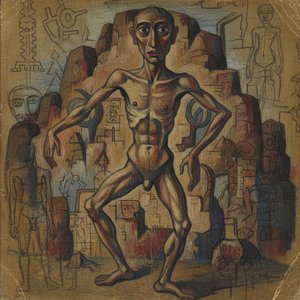
Henry Lamb: Reassessing Modern British Primitivism & the Poetics of Discomfort
Explore the compelling work of Henry Lamb, a key figure in British Primitivism. Discover his unsettling portraits, poignant war art & unique artistic vision. A deep dive into his life and legacy.

Paisajes Románticos: 10 Obras Maestras que Definieron un Movimiento Artístico
Descubre los 10 paisajes románticos más influyentes de artistas como Caspar David Friedrich y Turner. Explora la belleza, el simbolismo y las técnicas del movimiento romántico. Reproducciones de arte exclusivas en OriginalUniqueArt.com.

Las 25 mejores obras de John Constable: Un viaje al corazón del paisaje inglés
Descubre las 25 obras maestras de John Constable y su alma romántica. Explora la colección completa en OriginalUniqueArt.com.

Cultivating Visions: A Historical Journey Through Rural Landscapes in Art
Explore the rich history of rural landscape painting with OriginalUniqueArt. Discover Impressionist masterpieces, key artists & movements. Find your perfect serene artwork and bring nature's beauty home.

Color sin límites: Las 25 mejores obras maestras de Henri Matisse
Explora las 25 obras maestras de Henri Matisse y su vibrante fauvismo. ¡Descubre toda la colección en OriginalUniqueArt.com!


