

 Vista previa
 Compartir
 Compartir
 Ver detalles
 Guía
Guía

 Descargar
 Ver artículos similares
 Radiografía
 Presentación de diapositivas
 Estadísticas
A Bristol Committee


 Leer más
La obra de arte que se muestra en esta página está protegida por las leyes de propiedad intelectual, lo que significa que no podemos crear ni vender legalmente una reproducción idéntica. Esta protección se hace cumplir en virtud de acuerdos internacionales como el Convenio de Berna y por las leyes nacionales, incluidas aquellas establecidas por el Ley de derechos de autor de los EE. UU. - Título 17.
Este método cumple plenamente con las normativas de derechos de autor, ya que no implica la copia ni la duplicación de la obra protegida. En su lugar, se trata de una reinterpretación creativa: una nueva pintura influenciada por la original, pero que no es idéntica a ella.
Giclée / Impresión de arte
Impresiones giclée o en lienzo de calidad de museo con producción rápida y opciones de acabado flexibles. ( Encargar reproducción pintada a mano Ver versión en imagen digital)




P118B €10

P118H €10

P118W €10

P438Z €10

P508JH €12

P508YH €12

P805H €10

P805Z €10

P919BZ €10

P919G €10

P919XJ €10

P959ZH €10

P968JZ €12

W106C €8

W218G €10

W218JH €8

W218Y €10

W307PJ €10

W316G €10

W316PJ €8

W316Y €10

W398PJ €8

W4111J €10

W500HY €15

W500JH €15

W692G €12

W849H €8

W940BG €15

W953PJ €8




Elija entre nuestros tamaños predefinidos que respetan las proporciones originales de la obra.

Introduzca el ancho y el alto que necesite para adaptarse a su marco o pared. Una impresión solo puede recortarse, nunca hacerse más grande que la imagen original, por lo que un tamaño con una forma distinta perderá parte de la obra. Le enviaremos una maqueta digital para su aprobación antes de realizar cualquier impresión. La imagen que se muestra en esta página no refleja el recorte real; solo la maqueta lo hace.
Envío a todo el mundo () en 2 semanas en lugar de las 4/5 semanas estándar. (25 octubre)

Envío exprés gratuito a todo el mundo

Lienzo de lino de alta calidad

Seguro de envío completo

Garantía de reembolso de impuestos aduaneros

Garantía de fidelidad cromática exacta

Política de devolución de 100 días (solo por defectos)

Garantía de devolución del 100% del dinero

Oferta por volumen
 La opción de vidrio solo está disponible en tamaños inferiores a 110 cm.

A Bristol Committee
Giclée / Impresión de arte
Tamaño de la reproducción
-


Precio total
€ 70
A Glimpse into Authority: Henry Lamb’s “A Bristol Committee”
Henry Lamb's "A Bristol Committee," painted in 1921, isn’t merely a depiction of a boardroom meeting; it’s a carefully constructed tableau of power, deliberation, and the quiet weight of professional life. The canvas breathes with an understated formality, capturing a moment suspended between decision and action within the heart of Bristol's burgeoning commercial landscape. Lamb, a key figure in British Primitivism – a movement that sought to capture raw emotion and subjective experience rather than photographic realism – imbues this scene with a palpable sense of seriousness and restrained energy.
The composition immediately draws the eye to the central group of men seated around the imposing wooden table. Their postures, rendered with meticulous detail, suggest both engagement and a certain guardedness. The arrangement isn’t haphazard; it's deliberately structured, reflecting the hierarchical nature of the setting. A window in the background offers a subtle, almost melancholic view of an exterior world – a reminder that these men are bound by duty and responsibility within their enclosed space. Lamb masterfully employs perspective to create depth, drawing the viewer’s eye towards the receding table and hinting at the vastness of the room, while simultaneously anchoring us in the immediate intimacy of the conversation.
The Language of Form: Technique and Style
Lamb's technique is distinctly characterized by a blend of realism and expressive brushwork. He utilizes oil paints with remarkable control, building up layers of color to achieve a rich, textured surface. The muted palette – dominated by browns, greens, and blues – contributes significantly to the painting’s somber atmosphere. Notice how he subtly models forms through variations in tone and shadow, giving each figure a tangible presence. The brushstrokes themselves are visible, adding a layer of immediacy and spontaneity that contrasts with the overall sense of formality. This interplay between meticulous detail and expressive gesture is a hallmark of Lamb's style – a testament to his ability to capture both the objective reality and the subjective experience of his subjects.
- Color Palette: Muted browns, greens, blues - evoking seriousness and restraint.
- Brushwork: Visible yet controlled, blending realism with expressive energy.
- Perspective: Creates depth and anchors the viewer within the scene’s enclosed space.
A Window into a Time: Historical Context
“A Bristol Committee” was painted in 1921, a period of significant social and economic transformation in Britain. Bristol, a major port city with deep roots in trade and industry, was experiencing rapid growth and modernization. The painting reflects this dynamism, capturing the spirit of a city engaged in shaping its future. The presence of these men – likely representatives of local businesses or civic organizations – speaks to the importance of commerce and governance within Bristol’s community. It's a snapshot of a society grappling with the complexities of progress and the responsibilities that come with it.
Lamb’s work is deeply intertwined with the broader context of British Primitivism, a movement that emerged in response to the perceived artificiality of academic art. Artists like Lamb sought to capture raw emotion and subjective experience through direct observation and expressive brushwork, rejecting idealized representations in favor of a more immediate and visceral approach. This commitment to capturing the essence of his subjects is evident in the painting’s powerful sense of atmosphere and its subtle portrayal of human interaction.
Symbolism and Emotional Resonance
Beyond its surface depiction, “A Bristol Committee” carries a wealth of symbolic meaning. The large table serves as a focal point, representing the space for negotiation, decision-making, and the exercise of authority. The men themselves embody the weight of responsibility and the complexities of leadership. The muted colors and somber atmosphere contribute to a sense of seriousness and contemplation – suggesting that these are not frivolous discussions but rather weighty matters at hand. Ultimately, Lamb’s painting invites us to consider the nature of power, the dynamics of human interaction, and the enduring questions surrounding commerce and governance.
Preguntas y respuestas
¿Los colores de "A Bristol Committee" de Henry Lamb son saturados o tenues?
La paleta de "A Bristol Committee" tiene una saturación Subtle Color.
¿Qué estado de ánimo expresa "A Bristol Committee" de Henry Lamb dentro de Contemporary Realism?
"A Bristol Committee" transmite un tono emocional Melancholic dentro del movimiento Contemporary Realism.
¿Qué origen nacional sustenta el Contemporary Realism de "A Bristol Committee"?
"A Bristol Committee" fue creada por Henry Lamb, nacido en Australia, dentro del movimiento Contemporary Realism. El origen del artista vincula la obra al Contemporary Realism tal como lo practicaban los artistas de Australia.
Biografía del artista
Vida Temprana y Educación
- Nacimiento: Henry Taylor Lamb, 21 de junio de 1883, Adelaide, Australia
- Fallecimiento: 8 de octubre de 1960 (a los 77 años), Salisbury, Wiltshire, Inglaterra
- Padres: Sir Horace Lamb (Profesor de Matemáticas en la Universidad de Adelaide)
- Educación: Manchester Grammar School, Manchester University Medical School, Guy’s Hospital, Chelsea School of Art, Académie de La Palette (París)
- La vida temprana estuvo significativamente moldeada por la carrera académica de su padre y el traslado familiar a Inglaterra. Abandonó la medicina en 1906 para dedicarse a la pintura. Estudió bajo Augustus John en Chelsea School of Art. Su tiempo en la Académie de la Palette lo expuso a las primeras influencias cubistas.
Carrera Artística e Influencias
- Estilo Temprano: Inicialmente influenciado por el Impresionismo, el estilo de Lamb evolucionó hacia un Post-Impresionismo más expresivo.
- Relaciones Clave: Se casó con Nina Forrest (posteriormente Euphemia Lamb) en 1906; posteriormente se casó con Lady Pansy Pakenham en 1928. Sus relaciones impactaron significativamente su vida y producción artística.
- Camden Town Group & London Group: Fue miembro fundador de ambos grupos, lo que demuestra su compromiso con los movimientos artísticos vanguardistas en Gran Bretaña. Estas afiliaciones lo colocaron dentro de un círculo de artistas influyentes que exploraban el modernismo.
- Influencias: Augustus John fue una influencia importante, evidente en el estilo del retrato de Lamb. La exposición temprana a ideas cubistas en la Académie de la Palette moldeó su enfoque de la forma y la perspectiva.
- Obras Notables: La Muerte de un Campesino (c. 1910) es considerada su obra más famosa, que muestra su capacidad para capturar emociones crudas y realismo. Otras obras significativas incluyen retratos de Lytton Strachey y varios militares durante la Primera Guerra Mundial.
La Primera Guerra Mundial y el Arte Bélico
- Servicio Militar: Se calificó como médico y sirvió en el Royal Army Medical Corps durante la Primera Guerra Mundial, experimentando servicio activo en el Frente Occidental y en Palestina. Fue condecorado con la Cruz Militar por su valentía.
- Artista de Guerra: Fue comisionado por el British War Memorials Committee para crear Tropas Irlandesas en las Colinas Judaean Sorprendidas por un Bombardeo Turco (1919), ahora alojada en el Imperial War Museum.
- Comisiones Bélicas Posteriores: Fue nombrado artista de guerra a tiempo completo para la Oficina de Guerra en 1940, produciendo numerosos retratos y pinturas figurativas de militares durante la Segunda Guerra Mundial. Estas obras documentaron las realidades de la vida en tiempos de guerra con sensibilidad y habilidad.
Estilo y Legado
- Retrato: Lamb es particularmente conocido por su estilo distintivo de retrato, caracterizado por figuras alargadas, pinceladas expresivas y un enfoque en capturar profundidad psicológica. Sus retratos a menudo transmiten una sensación de intensidad tranquila e introspección.
- Post-Impresionismo & Realismo: Si bien influenciado por técnicas postimpresionistas, el trabajo de Lamb también demuestra un fuerte compromiso con el realismo, particularmente en sus representaciones de temas militares.
- Membresía en la Royal Academy: Fue elegido Asociado de la Royal Academy en 1940 y miembro titular en 1949, lo que significó el reconocimiento del mundo artístico establecido.
- Roles de Curador: Sirvió como curador de la National Portrait Gallery (1942-?) y la Tate Gallery (1944-1951), demostrando su compromiso con la promoción del arte británico.
- Significado Histórico: El trabajo de Lamb proporciona valiosas perspectivas sobre la sociedad británica a principios del siglo XX, particularmente a través de sus retratos de figuras prominentes y su documentación de experiencias bélicas. Sus contribuciones al Camden Town Group y London Group ayudaron a dar forma al desarrollo del arte británico moderno.

Henry Lamb
1883 - 1960 , Australia
Datos clave
- Artistas Que Influyeron: ['Augustus John']
- Fecha De Fallecimiento: 8 de octubre de 1960
- Fecha De Nacimiento: 21 de junio de 1883
- Lugar De Nacimiento: Adelaida, Australia
- Movimiento Artístico: Post-Impresionismo
- Nacionalidad: Británico
- Nombre Completo: Henry Taylor Lamb
- Obras Notables:
- Muerte de un campesino
- Tropas irlandesas en Judaean Hills
- Sargento Watts, Royal Tank Regiment
- La pobre infantería sangrienta
Artículos relacionados

El Óleo sobre Lienzo: Historia, Técnica y la Persistencia de un Medio Artístico Atemporal
Descubre la historia y técnica del óleo sobre lienzo. Explora reproducciones fieles hechas a mano, personalización artística y consejos de expertos con OriginalUniqueArt. ¡Colecciona arte con confianza!

Henri Matisse: Las 25 Obras Maestras que Definieron un Genio del Color | OriginalUniqueArt
Descubre las 25 obras maestras de Henri Matisse, el rey del color y padre del fauvismo. Explora su arte moderno, lienzos vibrantes y la historia detrás de cada pintura icónica. Encuentra reproducciones de alta calidad en OriginalUniqueArt.com.
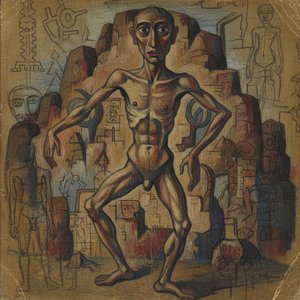
Henry Lamb: Reassessing Modern British Primitivism & the Poetics of Discomfort
Explore the compelling work of Henry Lamb, a key figure in British Primitivism. Discover his unsettling portraits, poignant war art & unique artistic vision. A deep dive into his life and legacy.

The Enduring Power of Painting: A Historical & Contemporary Exploration of Form and Emotion
Explore the rich history & enduring techniques of oil painting with OriginalUniqueArt. Discover masterpieces, learn about art collecting, and find authentic handmade reproductions crafted by skilled artists.

The Enduring Legacy of Oil on Canvas: Technique, History & Aesthetic Impact
Explore the rich history & techniques of oil painting – from Renaissance masters to Impressionism. Discover pigments, layering methods, and why this timeless medium endures. Expert insights for artists & art enthusiasts.


