 Vista previa
 Compartir
 Compartir
 Ver detalles

 Descargar
 Ver similares
 Radiografía
 Presentación de diapositivas
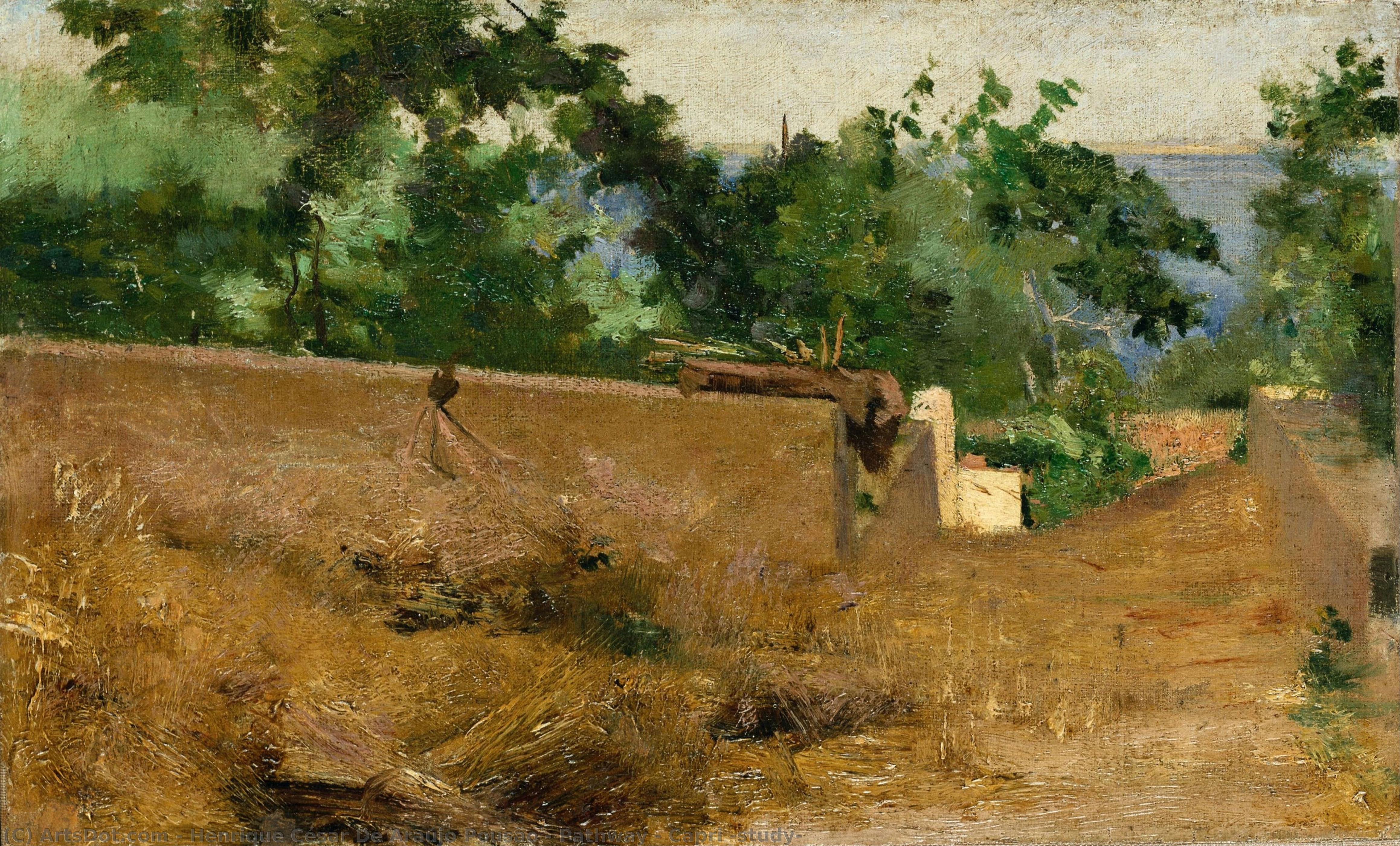
Pathway - Capri (study)
 Oil On Panel
- Naturalism
 1883
1883- 19th Century
 14.0 x 24.0 cm
 Museo Nacional Soares dos Reis
 Leer más
Reproducción al óleo hecha a mano
Óleo sobre lienzo pintado a mano en el tamaño y marco de su elección, realizado por encargo por nuestros artistas. ( Pedir impresión Comprar descarga)




P118B $10

P118H $10

P118W $10

P438Z $10

P508JH $12

P508YH $12

P805H $10

P805Z $10

P919BZ $10

P919G $10

P919XJ $10

P959ZH $10

P968JZ $12

W106C $8

W218G $10

W218JH $8

W218Y $10

W307PJ $10

W316G $10

W316PJ $8

W316Y $10

W398PJ $8

W4111J $10

W500HY $15

W500JH $15

W692G $12

W849H $8

W940BG $15

W953PJ $8




Elija entre nuestros tamaños predefinidos que respetan las proporciones originales de la obra.

Puede ingresar sus propias dimensiones para adaptarse a un marco o espacio específico. Si el tamaño seleccionado no coincide con las proporciones de la imagen original, recortaremos la obra o extenderemos la pintura con elementos adicionales pintados a mano. Se le enviará una maqueta digital para su aprobación antes de comenzar la producción.
Tenga en cuenta que la vista previa en pantalla no refleja el recorte o la extensión reales. Solo la maqueta mostrará con precisión la composición final.
Si bien existen tamaños personalizados, recomendamos seleccionar una dimensión de la lista predefinida para preservar las proporciones originales.
Tras realizar el pedido, el equipo de OriginalUniqueArt.com enviará un correo electrónico al cliente para solicitar instrucciones y proporcionarle una vista previa del boceto.
Envío a todo el mundo () en 3-4 semanas en lugar de las 5 semanas estándar. (15 agosto). Sin comprometer la calidad.

Envío exprés gratuito a todo el mundo

Lienzo de lino de alta calidad

Seguro de envío completo

Garantía de reembolso de aranceles aduaneros

Garantía de fidelidad cromática exacta

Política de devolución de 60 días (solo por defectos)

Garantía de devolución del 100% del dinero

Oferta por volumen
 La opción de vidrio solo está disponible en tamaños inferiores a 110 cm.

Pathway - Capri (study)
Técnica de reproducción
Tamaño de la reproducción
-


Precio total
$ 300
Descripción de la obra
A Moment of Stillness in Capri
In the delicate study titled Pathway - Capri, we are invited into a fleeting moment of Mediterranean tranquility captured by the Portuguese master Henrique César de Araújo Pousão. Created in 1883, this intimate work serves as a window into a sun-drenched landscape where the earth itself seems to breathe under the warmth of the Italian sun. The scene unfolds across a parched, golden field, rendered with a palette that speaks of aridity and light. Scattered trees punctuate the horizon, their silhouettes providing a rhythmic structure to the composition, while the presence of two solitary benches suggests a profound invitation to pause. These small, man-made elements act as silent sentinels of contemplation, transforming a simple landscape into a sanctuary for the wandering soul.
The technique employed in this study reveals Pousão’s remarkable ability to blend naturalist precision with the burgeoning sensibilities of Impressionism. There is a palpable sense of atmosphere; the artist does not merely paint trees and earth, but rather the very light that dances upon them. His brushwork, though contained within the small scale of this work, possesses an expressive vitality. One can observe how he balances the heavy, earthy tones of the dry terrain with more delicate, airy strokes in the background, creating a sense of depth that belies the painting's modest dimensions. This mastery of light and shadow—a hallmark of his time spent absorbing the influences of masters like Pissarro—allows the viewer to feel the heat radiating from the ground and the gentle breeze moving through the distant foliage.
A Legacy of Light and Emotion
To possess a reproduction of this work is to bring a piece of late 19th-century European history into a modern space. Pousão, whose life was tragically short, left behind a body of work that captures a pivotal transition in art history—the movement from the structured realism of the academy toward the emotive, light-focused explorations of the modern era. This specific study, born from his travels and his exposure to the vibrant landscapes of Italy, embodies the romanticism and the quiet intensity of his late period. The painting does not demand attention through grandiosity; instead, it earns it through a subtle, persistent beauty that rewards long periods of observation.
For the discerning collector or interior designer, Pathway - Capri offers more than just aesthetic appeal; it provides an emotional anchor. Its warm, autumnal tones and peaceful subject matter make it an ideal centerpiece for rooms designed for relaxation, such as a library, a study, or a quiet corner of a living suite. The artwork functions as a visual breath of fresh air, injecting a sense of timelessness and organic calm into contemporary decor. It is a testament to the power of the landscape to transport us, offering a permanent escape to a sun-soaked path in Capri, where time seems to stand perfectly still.
Biografía del artista
Early Life and Education
Henrique César de Araújo Pousão, a luminary of Portuguese art, was born on January 1st, 1859, in Vila Viçosa, Portugal—a region steeped in tradition yet yearning for artistic innovation. As the son of a judge from a prosperous Alentejo family, his upbringing instilled within him an appreciation for intellectual pursuits and familial stability. However, it was his innate talent for visual arts that truly captivated his formative years. From a young age, Pousão demonstrated an extraordinary aptitude for painting, foreshadowing the remarkable artistic journey that lay ahead. He commenced his academic training at the Fine Arts Academy of Porto, graduating in 1879 with honors—a testament to his diligence and burgeoning skill. The academy’s rigorous curriculum fostered his understanding of classical techniques alongside emerging modernist ideas, shaping him into a painter destined for greatness.Artistic Influences and Style
Pousão's artistic vision was profoundly impacted by the Impressionist movement, spearheaded by artists like Camille Pissarro and Édouard Manet. These painters championed a revolutionary approach to depicting light and color—abandoning academic conventions in favor of capturing fleeting moments and subjective sensations. This influence is palpable throughout Pousão’s oeuvre, particularly evident in his Parisian works where he embraced the Impressionist palette and technique. Notably, he adopted a distinctive stylistic hallmark: the incorporation of black pigment alongside other hues—a bold decision that challenged established norms and underscored his meticulous consideration for tonal harmony. Furthermore, his later explorations into Italian landscapes showcased a shift toward expressive abstraction, mirroring the burgeoning interest in non-representational art during the Belle Époque.Notable Works and Exhibitions
Pousão’s artistic legacy rests upon several captivating canvases that continue to inspire admiration. Among these masterpieces is “Miragem” (1882)—a small wood panel painting brimming with vibrant color and textural richness—where he skillfully employed impasto technique to imbue the surface with palpable depth. Equally compelling is “Fachada de Porta Soterrada” (1882), a landscape piece that exemplifies his expressive style, capturing the ethereal quality of twilight hues. His landscapes frequently incorporated subtle abstract forms—a departure from traditional naturalist depictions—reflecting Pousão’s pioneering spirit and willingness to experiment with new artistic vocabularies. These works graced prominent exhibitions during his lifetime, garnering critical acclaim and establishing him as a pivotal figure in Portugal's burgeoning artistic landscape.Collection and Legacy
Pousão’s paintings reside within esteemed collections, notably the National Museum Soares dos Reis in Porto—which houses an expansive repository of his artworks—a testament to their enduring aesthetic merit. His contribution to Portuguese art transcends mere stylistic innovation; he embodies a spirit of daring experimentation that paved the way for subsequent generations of artists. Henrique César de Araújo Pousão remains celebrated as one of the first heralds of naturalist painting, whose distinctive blend of Impressionist and abstract elements continues to resonate with audiences today—a beacon of artistic brilliance in the annals of Portuguese art history.
Henrique Pousão
1859 - 1884 , portugal
Datos clave
- Artistic Movement Or Style: Naturalism & Impressionism
- Artists Who Influenced This Artist:
- Camille Pissarro
- Manet
- Date Of Birth: January 1, 1859
- Full Name: Henrique César de Araújo Pousão
- Nationality: Portuguese
- Notable Artworks:
- Miragem
- Fachada de porta soterrada
- Place Of Birth: Vila Viçosa, Portugal
Artículos relacionados
Leonardo da Vinci: Las 25 Obras Maestras que Definieron un Genio | OriginalUniqueArt
Descubre las 25 obras maestras de Leonardo da Vinci, desde la Mona Lisa hasta La Última Cena. Explora su arte renacentista, técnicas innovadoras y el legado del genio italiano. Reproducciones de alta calidad para decorar tu hogar con belleza y historia en OriginalUniqueArt.com.

Los 10 Maestros del Paisaje Impresionista: Obras que Cambiaron la Historia del Arte
Descubre los 10 lienzos impresionistas que revolucionaron el arte. Explora la historia de Monet, Van Gogh y Renoir, sus técnicas y colores vibrantes. Encuentra reproducciones de alta calidad para decorar tu hogar en OriginalUniqueArt.com

Alfred Munnings: Las 25 Obras Maestras del Pintor de Caballos | OriginalUniqueArt
Descubre las 25 obras maestras de Alfred Munnings, el pintor británico de caballos por excelencia. Explora su impresionismo inglés, escenas campestres y técnica única. Encuentra reproducciones de arte de alta calidad en OriginalUniqueArt.com.
Las 10 Obras Maestras Marrones Rosados: Belleza Atemporal para tu Hogar |
Descubre las 10 pinturas marrones rosados más icónicas de la historia del arte. Explora el Renacimiento, Barroco e Impresionismo con obras maestras llenas de calidez y significado. Reproducciones de alta calidad en .
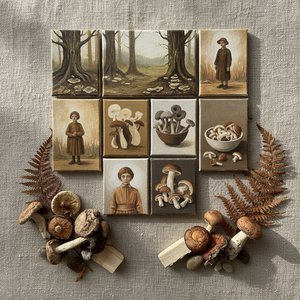
Los 10 Cuadros Más Famosos en Tonos 'Hongo': Arte, Historia y Decoración
Descubre los 10 cuadros más emblemáticos en tonos tierra y ocres. Explora la historia, artistas como Monet y Van Gogh, e inspírate para decorar con arte atemporal. Reproducciones de museo en .