

 Vista previa
 Compartir
 Compartir
 Ver detalles

 Descargar
 Ver artículos similares
 Radiografía
 Presentación de diapositivas
 Estadísticas
Hives, Gerberoy
 Oil On Canvas
- WallArt
- Impressionism
 1906
1906- 19th Century
 60.0 x 73.0 cm
 Leer más
Giclée / Impresión de arte
Impresiones giclée o en lienzo de calidad de museo con producción rápida y opciones de acabado flexibles. ( Encargar reproducción pintada a mano Ver versión en imagen digital)




P118B $10

P118H $10

P118W $10

P438Z $10

P508JH $12

P508YH $12

P805H $10

P805Z $10

P919BZ $10

P919G $10

P919XJ $10

P959ZH $10

P968JZ $12

W106C $8

W218G $10

W218JH $8

W218Y $10

W307PJ $10

W316G $10

W316PJ $8

W316Y $10

W398PJ $8

W4111J $10

W500HY $15

W500JH $15

W692G $12

W849H $8

W940BG $15

W953PJ $8




Elija entre nuestros tamaños predefinidos que respetan las proporciones originales de la obra.

Puede introducir sus propias dimensiones para adaptarse a un marco o espacio específico. Si el tamaño seleccionado no coincide con las proporciones de la imagen original, recortaremos la obra de arte o extenderemos la imagen con un borde con efecto espejo o de color sólido. Se enviará una maqueta digital para su aprobación antes de que comience la producción.
Tenga en cuenta que la vista previa en pantalla no refleja el recorte o la extensión real. Solo la maqueta mostrará con precisión la composición final.
Aunque existen tamaños personalizados, recomendamos seleccionar una dimensión de la lista predefinida para preservar las proporciones originales.
Envío a todo el mundo () en 2 semanas en lugar de las 4/5 semanas estándar. (19 septiembre)

Envío exprés gratuito a todo el mundo

Lienzo de lino de alta calidad

Seguro de envío completo

Garantía de reembolso de impuestos aduaneros

Garantía de fidelidad cromática exacta

Política de devolución de 100 días (solo por defectos)

Garantía de devolución del 100% del dinero

Oferta por volumen
 La opción de vidrio solo está disponible en tamaños inferiores a 110 cm.

Hives, Gerberoy
Giclée / Impresión de arte
Tamaño de la reproducción
-


Precio total
$ 80
A Serene Escape into Gerberoy
In the quiet corners of the French countryside, where time seems to slow to the rhythm of nature, Henri Le Sidaner captured a moment of profound stillness in his 1906 masterpiece, Hives, Gerberoy. This exquisite oil on canvas is far more than a mere depiction of a rural landscape; it is an invitation into a world of soft light and whispered tranquility. The painting transports the viewer to the idyllic village of Gerberoy, presenting a scene where two large straw huts stand as humble sentinates amidst a lush, flourishing garden. Surrounded by a tapestry of trees and vibrant flowers, these structures serve as the heart of a composition that celebrates the simple, unhurried beauty of pastoral life.
Le Sidaner’s brushwork breathes life into the greenery, utilizing an Impressionist-inspired technique that mirrors the ethereal qualities found in the works of Claude Monet. There is a delicate balance in how he manages light and shadow, allowing the sun to filter through the foliage and illuminate the scattered figures within the garden. The presence of people, moving softly through the landscape, along with a loyal dog resting near one of the huts, adds a layer of domestic warmth and narrative depth. These small, human elements do not disrupt the solitude of the scene but rather enhance its sense of peaceful coexistence between humanity and the natural world.
The Art of Atmosphere and Light
Technically, Hives, Gerberoy showcases Le Sidaner’s mastery over atmosphere. Unlike the more aggressive strokes of some of his contemporaries, his approach is characterized by a soft-focus elegance that evokes a dreamlike state. The way the textures of the straw roofs contrast with the delicate petals of the surrounding flora demonstrates a sophisticated command of oil painting. For the discerning collector or interior designer, this piece offers a unique emotional resonance; it possesses the rare ability to instill a sense of calm and contemplative silence in any room it inhabits.
The historical context of the early 20th century plays a vital role in understanding this work. As the world moved toward rapid industrialization, artists like Le Sidaner sought refuge in the nostalgic beauty of the French landscape. This painting serves as a poignant symbol of that longing for permanence and peace. It is an evocative piece of art history that captures the essence of the Belle Époque—a period of light, color, and a deep appreciation for the aesthetic harmony of the earth.
A Timeless Addition to the Modern Interior
For those looking to curate a space that inspires tranquility, a high-quality reproduction of this work offers an unparalleled opportunity. The soft palette and gentle composition make it a versatile choice for various interior styles, from classic French provincial to contemporary minimalist settings. Because the painting focuses on the harmony of nature, it acts as a window into another era, providing a focal point that is both intellectually stimulating and visually soothing.
Investing in a hand-painted reproduction of Hives, Gerberoy allows the legacy of Le Sidaner to live on within a private collection. It is not merely a decorative element but a piece of storytelling—a way to bring the enduring magic of a sun-drenched French garden into the modern home, ensuring that the serenity of 1906 remains a constant presence in the lives of those who appreciate fine art.
Biografía del artista
Vida Temprana y Orígenes
- Nombre: Henri Eugène Augustin Le Sidaner
- Otros Nombres: Henri Eugene Augustin le Sidaner, Henri Eugène le Sidaner
- Nacimiento: 7 de agosto de 1862, Port Louis, Mauricio
- Fallecimiento: 14 de julio de 1939
- Le Sidaner nació en Port Louis, Mauricio, hijo de Jean Marie Le Sidaner y Amélie Henrietta Robberechts. Su padre trabajaba como inspector de barcos para Lloyd's. La familia regresó a Francia en 1872, estableciéndose en Dunkerque.
- Mostró un temprano interés por la pintura y recibió el apoyo de sus padres. Asistió al Collège et Lycée Notre Dame des Dunes en Dunkerque.
- Una beca de la ciudad de Dunkerque le permitió trasladarse a París y estudiar en la prestigiosa École nationale supérieure des beaux-arts.
Formación Artística e Influencias
- En la École des Beaux-Arts, Le Sidaner estudió bajo Alexandre Cabanel, una figura prominente de la pintura francesa de la Belle Époque. Sin embargo, más tarde renunció debido a diferencias artísticas.
- Las primeras influencias incluyeron a Édouard Manet y Claude Monet, así como a los Puntillistas. Se sintió atraído por su innovador uso del color y la luz.
- Se unió a la Colonie artistique d'Étaples, un grupo de artistas trabajando juntos en Étaples, desarrollando aún más sus habilidades y visión artística.
Estilo Artístico y Desarrollo
- El estilo de Le Sidaner se caracteriza por colores apagados, grises matizados y opales aplicados con pinceladas irregulares y moteadas. Esta técnica crea una atmósfera única y un sentido de misticismo en sus pinturas.
- Fue particularmente hábil en la pintura nocturna, capturando los sutiles matices de luz y sombra durante las horas del crepúsculo.
- Su obra evolucionó con el tiempo, pasando de las primeras influencias a un estilo más personal que mezclaba técnicas impresionistas con elementos simbolistas.
- Después de establecerse en Gerberoy en la campiña picarda durante más de treinta años, se hizo famoso por sus vistas seductoras de los jardines que creó dentro de las ruinas de una fortaleza medieval. Estas pinturas a menudo presentaban luz moteada y rosas, consolidando su reputación como un artista único.
Obras Principales y Reconocimiento
- Entre sus obras notables se encuentra "Naturaleza Muerta y una Ventana, Gisors", disponible en OriginalUniqueArt.com.
- Sus pinturas se exhiben en el Musée des Beaux-Arts Tournai en Bélgica, mostrando una impresionante colección de Postimpresionismo francés.
- La obra de Le Sidaner fue ampliamente coleccionada durante su carrera, lo que demuestra su popularidad y mérito artístico.
- Recibió una medalla de bronce en la Exposición Universal de París en 1891.
- En 1905, exhibió una serie de pinturas de Venecia con gran aclamación en Londres y París.
- Fue nombrado Caballero de la Legión de Honor en 1913.
Significado Histórico
- Le Sidaner se considera a menudo "el último de los impresionistas", uniendo el Impresionismo con el Postimpresionismo.
- Su estilo único, que combina elementos de varios movimientos mientras mantiene un toque personal distintivo, lo diferencia de sus contemporáneos.
- Capturó la esencia de los interiores domésticos y las escenas callejeras tranquilas con una sensibilidad y habilidad notables, ofreciendo a los espectadores vislumbres de momentos íntimos y paisajes tranquilos.
- Su legado continúa inspirando a artistas y entusiastas del arte por igual, como lo demuestran las exposiciones en curso y la disponibilidad de sus obras en plataformas como OriginalUniqueArt.com.
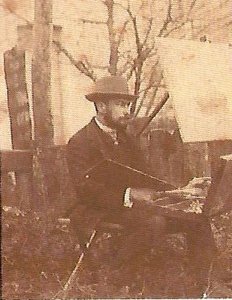
Henri Le Sidaner
1862 - 1939 , Mauricio
Datos clave
- Artistas Que Influyeron:
- Édouard Manet
- Claude Monet
- Pointillistas
- Fecha De Fallecimiento: 14 de julio de 1939
- Fecha De Nacimiento: 7 de agosto de 1862
- Lugar De Nacimiento: Port Louis, Mauricio
- Movimiento Artístico: Impresionismo, Intimista
- Nacionalidad: Francés
- Nombre Completo: Henri Eugène Augustin Le Sidaner
- Obras Notables: ['Bodegón y una ventana, Gisors']
Artículos relacionados
Claude Monet: Las 25 Obras Maestras del Impresionismo para Decorar tu Hogar con Arte
Descubre las 25 obras maestras de Claude Monet, el padre del impresionismo. Explora la historia, técnica y belleza de sus paisajes, nenúfares y 'Impresión, sole levant'. Encuentra reproducciones de arte exclusivas en OriginalUniqueArt.com.
Renoir: Las 25 Obras Maestras del Impresionismo para Decorar tu Hogar con Arte
Descubre las 25 obras maestras de Renoir, el rey del impresionismo. Explora su técnica, historia y significado en cada pintura. Encuentra reproducciones de arte de alta calidad para decorar tu hogar con OriginalUniqueArt.com.
10 Obras Maestras que Evocan la Serenidad: Arte para un Hogar Tranquilo
Descubre 10 obras maestras de Monet, Van Gogh y más que evocan la serenidad. Explora el arte impresionista, paisajes zen y lienzos relajantes para un hogar tranquilo. Reproducciones de museo en OriginalUniqueArt.com.
Capturing Giverny: The Enchanting Impressionist Magic of Monet's Gardens
Embark on a visual journey through Claude Monet's Giverny. Discover the enchanting light, vibrant colors, and breathtaking landscapes of his legendary gardens through an expert exploration of Impressionist mastery and timeless beauty.
Cultivating Paradise: A Historical & Artistic Exploration of Gardens in Painting
Explore the rich history of gardens in painting! Discover masterpieces from Renaissance to Impressionism & beyond. Learn about symbolism, artists like Monet & Klimt, and find your perfect artwork at OriginalUniqueArt.


