Vista previa
 Compartir
 Compartir
 Ver detalles
 Guía
Guía

 Descargar
 Ver artículos similares
 Radiografía
 Presentación de diapositivas
 Estadísticas
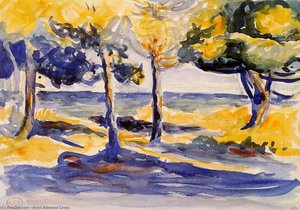
A Pine Tree


 Leer más
Giclée / Impresión de arte
Impresiones giclée o en lienzo de calidad de museo con producción rápida y opciones de acabado flexibles. ( Encargar reproducción pintada a mano Ver versión en imagen digital)




P118B $10

P118H $10

P118W $10

P438Z $10

P508JH $12

P508YH $12

P805H $10

P805Z $10

P919BZ $10

P919G $10

P919XJ $10

P959ZH $10

P968JZ $12

W106C $8

W218G $10

W218JH $8

W218Y $10

W307PJ $10

W316G $10

W316PJ $8

W316Y $10

W398PJ $8

W4111J $10

W500HY $15

W500JH $15

W692G $12

W849H $8

W940BG $15

W953PJ $8




Elija entre nuestros tamaños predefinidos que respetan las proporciones originales de la obra.

Puede introducir sus propias dimensiones para adaptarse a un marco o espacio específico. Si el tamaño seleccionado no coincide con las proporciones de la imagen original, recortaremos la obra de arte o extenderemos la imagen con un borde con efecto espejo o de color sólido. Se enviará una maqueta digital para su aprobación antes de que comience la producción.
Tenga en cuenta que la vista previa en pantalla no refleja el recorte o la extensión real. Solo la maqueta mostrará con precisión la composición final.
Aunque existen tamaños personalizados, recomendamos seleccionar una dimensión de la lista predefinida para preservar las proporciones originales.
Envío a todo el mundo () en 2 semanas en lugar de las 4/5 semanas estándar. (26 septiembre)

Envío exprés gratuito a todo el mundo

Lienzo de lino de alta calidad

Seguro de envío completo

Garantía de reembolso de impuestos aduaneros

Garantía de fidelidad cromática exacta

Política de devolución de 100 días (solo por defectos)

Garantía de devolución del 100% del dinero

Oferta por volumen
 La opción de vidrio solo está disponible en tamaños inferiores a 110 cm.

A Pine Tree
Giclée / Impresión de arte
Tamaño de la reproducción
-


Precio total
$ 80
A Symphony of Light and Color: The Magic of A Pine Tree
In the realm of Neo-Impressionism, few works capture the ephemeral dance of light with as much rhythmic vitality as Henri Edmond Cross’s 1905 masterpiece, A Pine Tree. This breathtaking landscape is not merely a depiction of nature; it is an immersive sensory experience that invites the viewer to step into a world where color breathes and light vibrates. At its heart stands a majestic pine tree, a towering sentinel that anchors a coastal scene brimming with life. Surrounded by a lush tapestry of smaller trees and verdant banks, the composition draws the eye upward toward a luminous sky, where soft clouds drift through an expanse of brilliant blue. The painting serves as a profound testament to the artist's ability to transform a solitary natural subject into a cosmic celebration of existence.
The technique employed by Cross in this work is nothing short of revolutionary, showcasing the pinnacle of Pointillism. Rather than relying on traditional, sweeping brushstrokes, the artist meticulously applied countless tiny dots of pure, unblended pigment to the canvas. This method requires a sophisticated understanding of optical science; as the viewer stands before the piece, the eye performs its own magic, blending these disparate flecks of pink, orange, yellow, and violet into a cohesive, shimmering atmosphere. The result is a texture that feels alive—a dense, pulsating surface that mimics the way sunlight filters through leaves or reflects off a moving tide. For the discerning collector or interior designer, this technique offers a unique depth that changes subtly depending on the lighting of a room, making it a dynamic centerpiece for any curated space.
Historical Resonance and Artistic Legacy
To understand A Pine Tree is to understand a pivotal moment in art history. Created during the height of the Post-Impressionist movement, this work reflects a deliberate departure from the fleeting, naturalistic concerns of early Impressionism. Cross, alongside contemporaries like Paul Signac and Georges Seurat, sought to bring a more structured, scientific, and expressive approach to color. By utilizing geometric arrangements of light, he paved the way for the radical emotionality of Fauvism and the structural innovations of modern masters like Henri Matisse. This painting is a bridge between the observational world of the 19th century and the abstract, emotive power of the 20th century.
Beyond its technical brilliance, the painting carries a profound symbolic weight. The central pine tree, standing resilient against the vastness of the sky and sea, can be interpreted as a symbol of strength, endurance, and the eternal connection between the earth and the heavens. There is a sense of quietude and peace found in the diffused light of dawn or dusk, evoking a feeling of nostalgia and wonder. For those seeking to bring a sense of tranquility and sophisticated beauty into their homes, a high-quality oil reproduction of this work offers more than just decoration; it provides a window into a moment of pure, luminous harmony that continues to inspire awe over a century after its creation.
Biografía del artista
Vida Temprana y Educación
- Nacimiento: Douai, Francia (1856)
- Fallecimiento: 1910
- Henri-Edmond-Joseph Delacroix nació en Douai, una comuna en el departamento de Nord en el norte de Francia. Sus padres fueron Alcide Delacroix y la británica Fanny Woollett.
- En 1865, la familia se mudó a Lille. Recibió instrucción artística temprana del Dr. Auguste Soins, quien reconoció su talento y financió lecciones con Carolus-Duran durante un año.
- Estudió en la École des Beaux-Arts e ingresó a las Écoles Académiques de Dessin et d'Architecture en 1878, estudiando bajo Alphonse Colas. Su educación continuó con Émile Dupont-Zipcy después de mudarse a París en 1881.
Carrera Artística Temprana y Cambios de Nombre
- Inicialmente produjo retratos y bodegones influenciados por el Realismo.
- Para distinguirse de Eugène Delacroix, cambió su nombre a "Henri Cross" en 1881.
- Co-fundó la Société des Artistes Indépendants en 1884, mostrando artistas disgustados con el Salón oficial.
- Sus primeras obras mostraron influencias de Jules Bastien-Lepage y Édouard Manet.
- Alrededor de 1886, para diferenciarse de Henri Cros, adoptó el nombre "Henri-Edmond Cross".
Desarrollo del Neoimpresionismo y Obras Clave
- Alrededor de 1886, influenciado por Georges Seurat y Paul Signac, comenzó a explorar el Neoimpresionismo.
- Pasó los inviernos en el sur de Francia desde 1883 en adelante, mudándose permanentemente allí en 1891 debido al reumatismo.
- Desarrolló una "segunda generación" del Neoimpresionismo con pinceladas más grandes y cuadradas en lugar de puntos puntillistas.
- Obras notables incluyen:
- Retrato de sí mismo (pintado alrededor de 1881) - Demuestra influencias realistas tempranas y un homenaje a Gustave Courbet.
- Retratos de Madame Hector France, nacida Irma Clare (alrededor de 1891) – Muestra su adopción del Neoimpresionismo.
- Su trabajo influyó significativamente en Henri Matisse y otros artistas que contribuyeron al desarrollo del Fauvismo.
Influencias y Significado Histórico
- Influencias: Jules Bastien-Lepage, Édouard Manet, Claude Monet, Camille Pissarro, Georges Seurat, Paul Signac.
- Impacto en el Fauvismo: El uso de colores no locales y formas distorsionadas por Cross allanó el camino para las paletas vibrantes y el trabajo expresivo característico de la pintura fauvista.
- Ideología Anarquista: Sus creencias anarquistas se reflejan en sus representaciones de escenas rurales idílicas, promoviendo una visión de coexistencia armoniosa.
Años Posteriores y Legado
- Tuvo su primera exposición individual en la Galerie Druet en 1905.
- Una retrospectiva de su trabajo fue organizada por Félix Fénéon en la Galerie Bernheim-Jeune en 1908.
- Falleció a causa del cáncer en Saint-Clair en 1910.
- Henri Edmond Cross es recordado como una figura clave en el Neoimpresionismo y un precursor significativo del Fauvismo, dejando un impacto duradero en el desarrollo del arte moderno.

Henri Edmond Cross
1856 - 1910 , Francia
Datos clave
- Artistas Influenciados:
- Henri Matisse
- Fauvismo
- Artistas Que Influyeron:
- Jules Bastien-Lepage
- Édouard Manet
- Claude Monet
- Camille Pissarro
- Georges Seurat
- Paul Signac
- Fecha De Fallecimiento: 16 de mayo de 1910
- Fecha De Nacimiento: 20 de mayo de 1856
- Lugar De Nacimiento: Douai, Francia
- Movimiento Artístico: Neoimpresionismo
- Nacionalidad: Francés
- Nombre Completo: Henri Edmond Cross
- Obras Notables:
- Autorretrato (c. 1881)
- Retrato de Madame Hector France
Artículos relacionados

Henri Edmond Cross: A Pioneer of Neo-Impressionism & the Divisionist Aesthetic
Explore the life & art of Henri Edmond Cross, a pivotal Neo-Impressionist painter. Discover his innovative divisionist technique, political affiliations, and lasting influence on modern art movements like Fauvism. Learn about key works & legacy.

Impresionismo: 10 Obras Maestras que Capturan la Luz y el Momento
Descubre 10 obras maestras del impresionismo de Monet, Renoir y Degas. Explora la luz, el color y las historias detrás de estos icónicos cuadros. Reproducciones de arte en OriginalUniqueArt.com para decorar tu hogar con estilo.
The Science of Light: Decoding the Optical Precision of Neo-Impressionism
Explore the scientific brilliance of Neo-Impressionism. Discover how masters like Georges Seurat revolutionized art through optical mixing, color theory, and the precision of Pointillism to capture the true essence of light.
Henri Martin: A Synthesis of Impressionism & Symbolism in the French Landscape Tradition
Explore the captivating world of Henri Martin, a French Post-Impressionist bridging Impressionism & Symbolism. Discover his unique style, influential landscapes, and lasting legacy with OriginalUniqueArt.
Henri Matisse: Las 25 Obras Maestras que Definieron un Genio del Color | OriginalUniqueArt
Descubre las 25 obras maestras de Henri Matisse, el rey del color y padre del fauvismo. Explora su arte moderno, lienzos vibrantes y la historia detrás de cada pintura icónica. Encuentra reproducciones de alta calidad en OriginalUniqueArt.com.