

 Vista previa
 Compartir
 Compartir
 Ver detalles
 Guide
Guide

 Descargar
 Ver artículos similares
 Radiografía
 Presentación de diapositivas
 Estadísticas
A Man playing a Lute
 Oil
Oil- WallArt
- Baroque
 1624
1624- Early Modern
 100.0 x 78.0 cm
 Galería Nacional
 Leer más
Giclée / Impresión de arte
Impresiones giclée o en lienzo de calidad de museo con producción rápida y opciones de acabado flexibles. ( Encargar reproducción pintada a mano Ver versión en imagen digital)




P118B $10

P118H $10

P118W $10

P438Z $10

P508JH $12

P508YH $12

P805H $10

P805Z $10

P919BZ $10

P919G $10

P919XJ $10

P959ZH $10

P968JZ $12

W106C $8

W218G $10

W218JH $8

W218Y $10

W307PJ $10

W316G $10

W316PJ $8

W316Y $10

W398PJ $8

W4111J $10

W500HY $15

W500JH $15

W692G $12

W849H $8

W940BG $15

W953PJ $8




Elija entre nuestros tamaños predefinidos que respetan las proporciones originales de la obra.

Puede introducir sus propias dimensiones para adaptarse a un marco o espacio específico. Si el tamaño seleccionado no coincide con las proporciones de la imagen original, recortaremos la obra de arte o extenderemos la imagen con un borde con efecto espejo o de color sólido. Se enviará una maqueta digital para su aprobación antes de que comience la producción.
Tenga en cuenta que la vista previa en pantalla no refleja el recorte o la extensión real. Solo la maqueta mostrará con precisión la composición final.
Aunque existen tamaños personalizados, recomendamos seleccionar una dimensión de la lista predefinida para preservar las proporciones originales.
Envío a todo el mundo () en 2 semanas en lugar de las 4/5 semanas estándar. (20 septiembre)

Envío exprés gratuito a todo el mundo

Lienzo de lino de alta calidad

Seguro de envío completo

Garantía de reembolso de impuestos aduaneros

Garantía de fidelidad cromática exacta

Política de devolución de 100 días (solo por defectos)

Garantía de devolución del 100% del dinero

Oferta por volumen
 La opción de vidrio solo está disponible en tamaños inferiores a 110 cm.

A Man playing a Lute
Giclée / Impresión de arte
Tamaño de la reproducción
-


Precio total
$ 80
The Melodic Shadows of the Utrecht Caravaggisti
In the quiet intimacy of 1624, Hendrick Terbrugghen captured a moment of profound musical devotion that transcends the centuries. A Man playing a Lute is not merely a portrait of a musician; it is a masterclass in the dramatic interplay of light and shadow, a hallmark of the Utrecht Caravaggisti movement. As the man cradles his instrument, the viewer is drawn into a private world where the only sound is the imagined resonance of plucked strings. The composition breathes with an elegance that speaks to the sophisticated tastes of the Dutch Golden Age, offering a window into a period where art sought to bridge the gap between the earthly and the divine through the visceral beauty of everyday life.
The technique employed by Terbrugghen is nothing short of breathtaking. Utilizing the chiaroscuro method—a technique perfected by Caravaggio and brought to the Netherlands by artists like Terbrugghen—the painter uses deep, velvety shadows to sculpt the figure from the darkness. This high-contrast approach directs our gaze toward the vibrant textures of the subject's attire: the rich, crimson fabric of his clothing and the soft, tactile presence of his fur-trimmed hat. Every brushstroke serves to highlight the intricate craftsmanship of the lute itself, making the instrument feel heavy, tangible, and central to the soul of the painting.
A Symphony of Color and Texture
For the discerning collector or interior designer, this piece offers a magnificent palette of warm tones that can anchor a room with a sense of historical prestige. The deep reds and earthy ochres create an atmosphere of warmth and luxury, making it an ideal centerpiece for a study, a library, or a formal dining area. The visual weight of the lute, which occupies a significant portion of the canvas, provides a structural focal point that commands attention without overwhelming the surrounding decor. It is a work that invites contemplation, encouraging guests to linger on the fine details of the man's concentrated expression and the delicate anatomy of his hands.
Beyond its aesthetic appeal, the painting carries a symbolic weight common in seventeenth-century Dutch art. The lute often served as a metaphor for harmony—both musical and social. To possess such a work is to invite a sense of balance and refined culture into one's space. Whether viewed as a historical artifact or a stunning decorative element, A Man playing a Lute remains a timeless testament to the power of light to reveal the hidden beauty in a single, fleeting moment of artistic expression.
Biografía del artista
Hendrick Terbrugghen
Hendrick Jansz ter Brugghen, o Terbrugghen, (Deventer, h. 1588-Utrecht, 1 de noviembre de 1629) fue un pintor neerlandés, miembro destacado de los seguidores neerlandeses de Caravaggio — los llamados caravaggistas de Utrecht. Junto con Gerrit van Hondhorst y Dirck van Baburen, Ter Brugghen fue uno de los pintores holandeses más importantes que se vieron influidos por Caravaggio.- Early Life and Influences
- Artistic Career and Style
- Notable Works and Legacy
- Influence on Later Artists
- Museums and Collections Featuring Ter Brugghen’s Work
Early Life and Influences
Hendrick Jansz ter Brugghen was born probably in The Hague in 1588. His father, Jan Egbertsz ter Brugghen, originally from Overijssel, had moved to Utrecht, where he was appointed secretary to the Court of Utrecht by the Prince of Orange, William the Silent. This exposure likely influenced Hendrick's early interest in art. He studied under Abraham Bloemaert, a Mannerist painter, who instilled in him the foundational principles of artistic expression.Artistic Career and Style
Ter Brugghen’s artistic journey began with his apprenticeship under Abraham Bloemaert, a Mannerist history painter. He later became one of the leading members of the Utrecht Caravaggisti, a group of dutch painters inspired by Caravaggio. His work is characterized by its dramatic use of light and shadow, as seen in his paintings like *The Annunciation* (alte pinakothek, munich, germany) and *The Reveler* (alte pinakothek, munich, germany). This technique—known as chiaroscuro—was adopted from Caravaggio’s masterful approach to illumination, creating a powerful visual impact.Notable Works and Legacy
Ter Brugghen produced several remarkable paintings that exemplify his distinctive style. *The Singing Lute Player* (the kremer collection, amsterdam, netherlands), an autograph replica of a painting in the national gallery, london, showcases his rich coloration and meticulous attention to detail. *The Annunciation*, a masterpiece reflecting his mastery of Caravaggio's style, remains one of his most celebrated achievements. Furthermore, Ter Brugghen’s influence extended beyond his own artistic output; Rembrandt van Rijjn acknowledged him as a pivotal figure in shaping Baroque art.Influence on Later Artists
Rembrandt van Rijjn considered Terbrugghen to be a pivotal figure in shaping Baroque art. Elements of Ter Brugghen's style can also be found in the paintings of Frans Hals and Johannes Vermeer, demonstrating the enduring legacy of his artistic innovations. His contribution to Dutch painting solidified his place as one of the most important artists of the Golden Age.Museums and Collections Featuring Ter Brugghen’s Work
Ter Brugghen's works are housed in prominent museums across Europe, including Mauritshuis (the hague, netherlands), where *Nymph and Satyr* by Sir Peter Paul Rubens is displayed. The Kremer Collection (amsterdam, netherlands) houses *The Singing Lute Player*, a testament to Ter Brugghen’s artistic prowess. Explore more of Ter Brugghen's masterpieces on OriginalUniqueArt.com.
Hendrick Terbrugghen
1627 - 1629 , Países Bajos
Datos clave
- Artistic Movement Or Style: Caravaggisti Painting
- Artists Who Influenced This Artist:
- Abraham Bloemaert
- Rembrandt van Rijjn
- Date Of Birth: 1588
- Date Of Death: Nov 1629
- Full Name: Hendrick Jansz Terbrugghen
- Nationality: Dutch
- Notable Artworks:
- The Singing Lute Player
- Annunciation
- David Praised by the Israelite Women
- Place Of Birth: La Hague, Netherlands
Artículos relacionados

Los 10 Maestros del Barroco Holandés: Obras que Definen una Época | OriginalUniqueArt
Descubre los 10 imprescindibles del Barroco holandés: Rembrandt, Vermeer y más. Explora la historia, técnica y belleza de estas obras maestras. Reproducciones de arte en OriginalUniqueArt.com para decorar tu hogar con elegancia.

Barroco Sublime: 10 Obras Maestras que Definieron una Época |
Descubre las 10 obras maestras del Barroco que marcaron una época. Caravaggio, Bernini y Velázquez cobran vida en . Reproducciones de arte de calidad museo para decorar tu hogar con elegancia. ¡Explora la colección online!

The Dramatic Flourish: Exploring the Baroque Movement's Enduring Legacy in Art History
Explore the dramatic world of Baroque art! Discover iconic artists like Caravaggio & Rubens, defining techniques, and its lasting impact on art history. Expert insights for collectors & enthusiasts at OriginalUniqueArt.

Reflejos de una Época Dorada: La Pintura Barroca Holandesa y la Innovación Cultural
Descubra la riqueza y el detalle de la pintura barroca holandesa del Siglo de Oro. Explore las obras maestras de Rembrandt, Vermeer y otros artistas clave. Análisis experto e historia cultural.
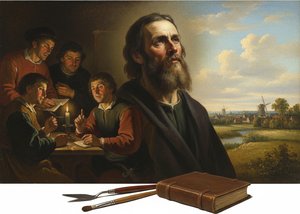
Hendrick Terbrugghen: Caravaggism, Spirituality & the Dutch Golden Age Painter's Evolving Style
Explore the captivating world of Hendrick Terbrugghen, a leading Dutch Golden Age painter influenced by Caravaggio. Discover his dramatic use of light, spiritual depth & lasting legacy. Learn more at OriginalUniqueArt.


