Vista previa
 Compartir
 Compartir
 Ver detalles
 Guía
Guía

 Descargar
 Ver artículos similares
 Radiografía
 Presentación de diapositivas
 Estadísticas
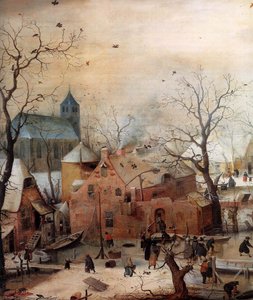
Winter Landscape


 Leer más
Giclée / Impresión de arte
Impresiones giclée o en lienzo de calidad de museo con producción rápida y opciones de acabado flexibles. ( Encargar reproducción pintada a mano Ver versión en imagen digital)




P118B €10

P118H €10

P118W €10

P438Z €10

P508JH €12

P508YH €12

P805H €10

P805Z €10

P919BZ €10

P919G €10

P919XJ €10

P959ZH €10

P968JZ €12

W106C €8

W218G €10

W218JH €8

W218Y €10

W307PJ €10

W316G €10

W316PJ €8

W316Y €10

W398PJ €8

W4111J €10

W500HY €15

W500JH €15

W692G €12

W849H €8

W940BG €15

W953PJ €8




Elija entre nuestros tamaños predefinidos que respetan las proporciones originales de la obra.

Introduzca el ancho y el alto que necesite para adaptarse a su marco o pared. Una impresión solo puede recortarse, nunca hacerse más grande que la imagen original, por lo que un tamaño con una forma distinta perderá parte de la obra. Le enviaremos una maqueta digital para su aprobación antes de realizar cualquier impresión. La imagen que se muestra en esta página no refleja el recorte real; solo la maqueta lo hace.
Envío a todo el mundo () en 2 semanas en lugar de las 4/5 semanas estándar. (22 octubre)

Envío exprés gratuito a todo el mundo

Lienzo de lino de alta calidad

Seguro de envío completo

Garantía de reembolso de impuestos aduaneros

Garantía de fidelidad cromática exacta

Política de devolución de 100 días (solo por defectos)

Garantía de devolución del 100% del dinero

Oferta por volumen
 La opción de vidrio solo está disponible en tamaños inferiores a 110 cm.

Winter Landscape
Giclée / Impresión de arte
Tamaño de la reproducción
-


Precio total
€ 70
Winter Landscape with Skaters – A Frozen Moment of Dutch Life
The painting “Winter Landscape with Skaters” by Hendrick Avercamp isn’t merely a depiction of snow; it's a vibrant, almost theatrical snapshot of daily life in the heart of 17th-century Holland. Completed around 1608, this remarkable work, now residing within the esteemed collection of the Rijksmuseum in Amsterdam, transports us to a world gripped by the biting chill of an “Little Ice Age” winter – a period characterized by unusually cold temperatures and prolonged winters that profoundly shaped Dutch society and art. Avercamp masterfully captures not just the visual spectacle of a frozen landscape but also the bustling activity and social interactions that unfolded within it, creating a scene brimming with both serenity and lively engagement.A Masterclass in Atmospheric Perspective and Detail
Avercamp’s genius lies in his ability to render the complexities of winter with astonishing realism and a remarkable sense of immediacy. The painting is executed in oil on oak panel, a technique that allowed for rich color saturation and meticulous detail – qualities particularly evident in the layering of textures and the subtle gradations of light and shadow. Notice how he employs aerial perspective, creating a gradual softening of colors and forms as they recede into the distance. The foreground, dominated by figures skating on the frozen river, is rendered with sharp clarity and vibrant hues, while the distant church and surrounding landscape fade into a hazy blue-grey, suggesting both depth and atmospheric conditions. The artist’s use of impasto – thick applications of paint – adds to the tactile quality of the scene, emphasizing the crispness of the snow and the texture of clothing. The inclusion of seemingly mundane details—a dog gnawing on a frozen carcass, a fisherman repairing his nets, children playing in the snow—elevates the painting beyond a simple landscape view, imbuing it with a sense of authentic everyday life.The Little Ice Age and its Artistic Echoes
Understanding the historical context is crucial to appreciating Avercamp’s work. The “Little Ice Age” profoundly impacted the Netherlands, leading to shorter growing seasons, increased reliance on winter activities like skating, and a heightened awareness of the power and unpredictability of nature. Avercamp's painting directly reflects this era, depicting a society actively adapting to and embracing the challenges presented by the harsh winter conditions. The presence of numerous skaters, bundled in warm clothing, suggests that ice-skating was not just a recreational pastime but also a vital means of transportation and social interaction during the long winters. The inclusion of farm implements and animals further reinforces the connection between people and their environment – a theme central to Dutch Golden Age art.Symbolism and Social Commentary
Beyond its realistic depiction of winter life, “Winter Landscape with Skaters” carries subtle symbolic weight. The scene is not simply a record of activity; it’s a carefully constructed tableau that offers glimpses into the social dynamics of the time. The presence of various figures engaged in different activities—fishing, skating, repairing nets—suggests a diverse community united by their shared experience of winter. The inclusion of a dead animal, often interpreted as a reminder of mortality and the fragility of life, adds a layer of somber reflection to the otherwise lively scene. The painting can be viewed as a meditation on human resilience in the face of adversity, celebrating both the joys of communal activity and the acceptance of nature’s harsh realities.Bringing Avercamp's Winter World into Your Home
Reproductions of “Winter Landscape with Skaters” offer a beautiful way to bring this captivating scene into your own living space. High-quality prints, meticulously crafted using archival inks and premium materials, faithfully capture the painting’s rich colors, intricate details, and atmospheric depth. Whether you choose a large-scale canvas print for a statement wall or a smaller framed reproduction for a cozy corner, Avercamp's winter landscape will undoubtedly evoke a sense of warmth, nostalgia, and appreciation for the beauty of the natural world – a timeless reminder of Dutch artistry and cultural heritage.Preguntas y respuestas
¿A qué etapa de la evolución de Hendrick Avercamp pertenece "Winter Landscape"?
"Winter Landscape" representa el Early Period de Hendrick Avercamp.
¿Para qué uso se sugiere "Winter Landscape" de Hendrick Avercamp?
El uso recomendado de una impresión de "Winter Landscape" es Statement.
¿Dónde se puede ver "Winter Landscape" de Hendrick Avercamp actualmente?
Puede ver la obra original "Winter Landscape" en el Hamburger Kunsthalle, Hamburg, Alemania.
Biografía del artista
Un pionero del invierno holandés: La vida y el arte de Hendrick Avercamp
Hendrick Avercamp, un nombre que es sinónimo de los brillantes paisajes congelados de la Edad de Oro holandesa, nació en Ámsterdam el 27 de enero de 1585. Su historia vital es tan intrigante como su arte: un relato marcado tanto por la innovación artística como por las circunstancias personales. Desde una edad temprana, resultó evidente que Avercamp vivía en un mundo experimentado de forma distinta a la mayoría; era mudo y, probablemente, sordo, lo que le valió el afectuoso pero definitorio apodo de “de Stomme van Kampen”, el Mudo de Kampen. Esta limitación percibida, sin embargo, no sofocó su voz artística, sino que quizás agudizó sus habilidades observacionales, permitiéndole trasladar los matices del invierno holandón al lienzo con una claridad y un encanto inigualables. Inicialmente estudió en Ámsterdam bajo la tutela de Pieter Isaacsz, un retratista, y posiblemente también recibió la guía de David Vinckboons, cuya influencia puede apreciarse en las primeras obras de Avercamp. En 1608, se trasladó a Kampen, donde pasaría la mayor parte de su vida y se consolidaría como un artista único y celebrado.Capturando un mundo congelado: Estilo artístico e innovación
Avercamp destaca como uno de los primeros pintores dedicados exclusivamente al paisaje en la Holanda del siglo XVII, un periodo tradicionalmente dominado por el retrato, la pintura histórica y el bodegón. Se labró su propio nicho especializándose en escenas invernales, un tema que rara vez había sido explorado con un enfoque tan constante antes de su llegada. Sus pinturas no son meras representaciones del clima frío; son instantáneas vibrantes de la vida holandesa desplegándose sobre el hielo. Figuras que patinan, viajan en trineo, juegan al kolf (una forma de golf practicada sobre el hielo) y simplemente disfrutan de las vías fluviales congeladas, creando un tapiz animado de actividad humana frente a la cruda belleza del paisaje invernal. La destreza de Avercamp reside en su capacidad para transmitir tanto el frío de la estación como la calidez del disfrute comunitario. Empleó magistralmente la perspectiva aérea, alterando sutilmente colores y detalles para crear una sensación convincente de profundidad, atrayendo al espectador hacia estos mundos gélidos. Su técnica a menudo consistía en aplicar aguadas de acuarela sobre dibujos a pluma y tinta, logrando efectos delicados y luminosos. Estas obras de menor formato se vendían frecuentemente como piezas terminadas destinadas a álbumes de coleccionistas, un testimonio de su escala íntima y su gran atractivo.Legado e importancia histórica
El impacto de Hendrick Avercamp en la pintura holandesa es considerable. No solo popularizó el paisaje invernal como un tema legítimo para la exploración artística, sino que también ayudó a definir un enfoque distintamente neerlandés de la pintura de paisaje: uno que enfatizaba el realismo, los efectos atmosféricos y la representación de la vida diaria. Su trabajo sirvió de inspiración para generaciones posteriores de artistas y continúa cautivando al público en la actualidad. Colecciones notables que exhiben su maestría incluyen el Rijksmuseum en Ámsterdam, que alberga un número significativo de sus pinturas, y el Mauritshuis en La Haya. El legado de Avercamp se extiende más allá de sus logros artísticos; representa un triunfo sobre la adversidad, demostrando que la expresión creativa puede florecer incluso ante los desafíos personales. Falleció en Kampen el 15 de mayo de 1634, dejando tras de sí una obra que continúa ofreciendo una ventana al mundo vibrante y a menudo ignorado de la Holanda del siglo XVII: un mundo congelado en el tiempo, pero rebosante de vida.Obras notables
- Paisaje invernal con patinadores: Quizás su obra más icónica, esta pintura ejemplifica la maestría de Avercamp para capturar la energía y la atmósfera de una escena invernal holandesa.
- Calle en Delfi: Un raro ejemplo de Avercamp aventurándose más allá de los paisajes, mostrando su habilidad para representar la vida urbana.
- Disfrutando del hielo cerca de una ciudad: Demuestra su capacidad para crear composiciones dinámicas llenas de numerosas figuras dedicadas a diversas actividades.

Hendrick Avercamp
1585 - 1634 , Países Bajos
Datos clave
- Artistic Movement Or Style: Dutch Golden Age painting
- Artists Who Influenced This Artist:
- Pieter Isaacsz
- David Vinckboons
- Date Of Birth: January 27, 1585
- Date Of Death: May 15, 1634
- Full Name: Hendrick Avercamp
- Nationality: Dutch
- Notable Artworks:
- Winter Landscape with Skaters
- Street in Delfi
- Place Of Birth: Amsterdam, Netherlands
Artículos relacionados

Jan van Goyen: Master of Dutch Landscape & Atmospheric Perspective
Discover Jan van Goyen, the master of Dutch landscape painting. Explore his subtle technique, atmospheric realism & lasting influence on art history. Learn about this 17th-century pioneer at OriginalUniqueArt.

Golden Light & Dutch Skies: Bringing the Magic of Dutch Golden Age Landscapes into Your Home
Transform your home with the breathtaking light of Dutch Golden Age landscapes. Discover how hand-painted oil reproductions of masterworks like Ruisdael and Vermeer bring timeless elegance, atmosphere, and soulful texture to modern interiors. Elevate your space with museum-quality art.
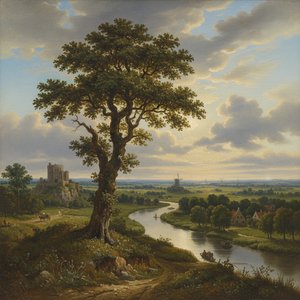
Jacob van Ruisdael: Master of Dutch Landscape & the Evocation of National Identity
Explore the life & work of Jacob van Ruisdael, the preeminent Dutch landscape painter. Discover his technical brilliance, symbolic depth, and lasting influence on art history. Learn about collecting Ruisdael's masterpieces.
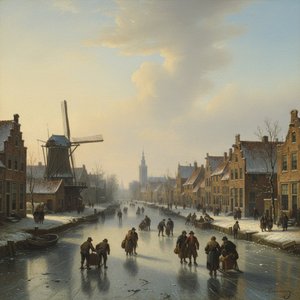
Charles Leickert: Capturing the Dutch Golden Age Light – A Comprehensive Study of Technique, Context, and Legacy
Explore the captivating winter landscapes of Charles Leickert, a master of Dutch Golden Age light & atmosphere. Discover his techniques, symbolism, and lasting legacy – a comprehensive study for art enthusiasts and collectors.

Golden Light & Dutch Skies: The Timeless Magic of Dutch Golden Age Landscapes
Discover the breathtaking beauty of Dutch Golden Age landscapes. Explore the mastery of light, chiaroscuro, and 17th-century realism through an expert art history lens, celebrating the enduring legacy of the Dutch Masters for discerning collectors and art lovers.