

 Vista previa
 Compartir
 Compartir
 Ver detalles
 Guía
Guía

 Descargar
 Ver artículos similares
 Radiografía
 Presentación de diapositivas
 Estadísticas
Log Cutting
 Contemporary Realism
 74.0 x 66.0 cm
 Museo & Arte Swindon
 Leer más
La obra de arte que se muestra en esta página está protegida por las leyes de propiedad intelectual, lo que significa que no podemos crear ni vender legalmente una reproducción idéntica. Esta protección se hace cumplir en virtud de acuerdos internacionales como el Convenio de Berna y por las leyes nacionales, incluidas aquellas establecidas por el Ley de derechos de autor de los EE. UU. - Título 17.
Como una alternativa respetuosa y legal, ofrecemos obras de arte personalizadas y pintadas a mano inspiradas en la original. Nuestros expertos y profesionales del arte estudian cuidadosamente el estilo, el sentimiento y la esencia artística de la obra original para crear una pieza nueva y única que evoque la misma sensación, siendo al mismo tiempo una creación original por derecho propio.
Este método cumple plenamente con las normativas de derechos de autor, ya que no implica la copia ni la duplicación de la obra protegida. En su lugar, se trata de una reinterpretación creativa: una nueva pintura influenciada por la original, pero que no es idéntica a ella.
Reproducción al óleo hecha a mano
Óleo sobre lienzo pintado a mano en el tamaño y marco de su elección, realizado por encargo por nuestros artistas. ( Cambiar a formato impreso Ver versión en imagen digital)




































Elija entre nuestros tamaños predefinidos que respetan las proporciones originales de la obra.

Escriba el ancho y el alto que necesite para adaptarse a su marco o a su pared. Al ser una obra pintada a mano, para un tamaño con una forma distinta, el artista puede pintar un poco más alrededor de la imagen o recortar un poco; usted elige. Le enviaremos una maqueta digital para su aprobación antes de comenzar la pintura. La imagen que se muestra en esta página no refleja el resultado real; solo la maqueta lo hace.
Tras realizar el pedido, el equipo de OriginalUniqueArt.com enviará un correo electrónico al cliente para solicitar instrucciones y proporcionarle una vista previa del boceto.
Envío a todo el mundo () en 3-4 semanas en lugar de las 5 semanas estándar. (23 octubre). Sin comprometer la calidad.

Envío exprés gratuito a todo el mundo

Lienzo de lino de alta calidad

Seguro de envío completo

Garantía de reembolso de impuestos aduaneros

Garantía de fidelidad cromática exacta

Política de devolución de 100 días (solo por defectos)

Garantía de devolución del 100% del dinero

Oferta por volumen
 La opción de vidrio solo está disponible en tamaños inferiores a 110 cm.

Log Cutting
Técnica de reproducción
Tamaño de la reproducción
-


Precio total
€ 264
Biografía del artista
The Rediscovered Vision of Harold Dearden
In the grand tapestry of British art history, certain names shine with an undeniable brilliance, while others linger in the soft shadows of their more famous contemporaries. Harold Dearden (1888–1962) is a figure who belongs to that evocative second category—a master whose brush captured the soul of the English landscape and the dignity of human labor, yet whose legacy was long overshadowed by giants like Stanley Spencer. Born in Bolton, Lancashire, on December 13th, 1882, Dearden’s journey was one of profound discipline and transformative experience. His early training at the Rochdale School of Art under the watchful eye of Henry Barret Carpenter instilled in him a rigorous foundation in colour theory and observational precision. This academic rigor would later serve as the bedrock for his diverse repertoire, ranging from delicate watercolours to robust, textured oil paintings.
Dearden’s artistic evolution was further propelled by a prestigious scholarship to the Royal College of Art in London. Between 1910 and 1915, studying under the influential Gerald Moira, he embraced an expansive curriculum that bridged the gap between fine art and structural design. This period of study in architecture, painting, and sculpture gifted him with a unique sense of scale and narrative depth. His work began to reflect a sophisticated understanding of composition, where the weight of a figure or the sweep of a landscape was balanced with the precision of a draughtsman. However, the trajectory of his life was irrevocably altered by the Great War. Serving as a medical officer within the Royal Army Medical Corps, Dearden faced the visceral horrors of trench warfare. The physical toll—most notably the loss of an eye—and the psychological weight of combat left indelible marks on his psyche, perhaps infusing his later explorations of theme and form with a deeper, more resilient emotional resonance.
A Legacy of Color and Craft
Following the upheaval of war, Dearden transitioned into a period of significant institutional influence and creative output. For three decades, beginning in 1920, he served as the head of the Swindon Art School, a role that allowed him to shape the next generation of British artists while simultaneously fostering a vibrant local art scene. As the president of the Swindon Artists’ Society, his presence was central to the cultural life of the region. His artistic style became a captivating blend of Post-Impressionistic vitality and Art Deco elegance. Whether he was rendering the muscularity of rural toil in works like Log Cutting or capturing the ethereal grace of mythological figures in Three Graces, Dearden possessed an uncanny ability to breathe life into his subjects through a rich, earthy palette and masterful impasto techniques.
His versatility as a creator allowed him to move seamlessly between mediums, leaving behind a body of work that includes:
- Oil Paintings: Characterized by their textured surfaces and profound engagement with light and shadow, often depicting landscapes and figurative studies.
- Watercolours: Demonstrating a delicate touch and an exquisite command over transparency and fluid movement.
- Draughtsmanship: Utilizing ink and wash to create precise, narrative-driven illustrations that showcased his architectural training.
Today, the significance of Harold Dearden lies in his ability to bridge the gap between Victorian illustrative traditions and the burgeoning modernism of the twentieth century. His work serves as a poignant window into the social shifts of his era, capturing both the industrial grit and the pastoral beauty of a changing Britain. Though he may have remained an obscure figure for many years, the rediscovery of his paintings—held in esteemed collections such as the Swindon Museum and Art Gallery—offers a profound opportunity to appreciate a voice that was as resilient as it was beautiful.
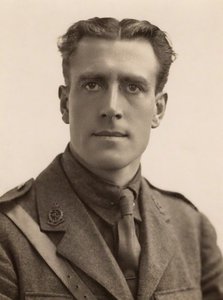
Datos clave
- Artistic Movement Or Style: Modern Art
- Artists Or Movements Influenced By This Artist: ['Gerald Moira']
- Artists Who Influenced This Artist: ['Henry Barret Carpenter']
- Date Of Birth: December 13, 1882
- Date Of Death: July 6, 1962
- Full Name: Harold Dearden
- Nationality: British
- Notable Artworks:
- Log Cutting
- The Locarno
- Salubritas
- Place Of Birth: Bolton, Lancashire
Artículos relacionados

The Enduring Legacy of Oil on Canvas: Technique, History & Aesthetic Impact
Explore the rich history & techniques of oil painting – from Renaissance masters to Impressionism. Discover pigments, layering methods, and why this timeless medium endures. Expert insights for artists & art enthusiasts.

El Legado Duradero del Óleo sobre Lienzo: Técnica, Historia y Práctica Contemporánea
Descubre la historia y técnica del óleo sobre lienzo. Explora reproducciones fieles hechas a mano, personalización artística y consejos de expertos con .

El Óleo sobre Lienzo: Historia, Técnica y la Persistencia de un Medio Artístico Atemporal
Descubre la historia y técnica del óleo sobre lienzo. Explora reproducciones fieles hechas a mano, personalización artística y consejos de expertos con OriginalUniqueArt. ¡Colecciona arte con confianza!
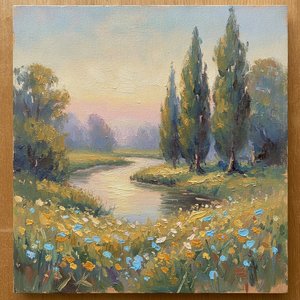
The Timeless Charm of Oil on Board: Reimagining Texture and Light through the Impressionist Lens
Discover the profound intimacy of oil on panel. Explore how Impressionist masters used rigid supports to capture light, texture, and impasto depth through exquisite, handmade oil reproductions for discerning collectors.

The Enduring Power of Painting: A Historical & Contemporary Exploration of Form and Emotion
Explore the rich history & enduring techniques of oil painting with OriginalUniqueArt. Discover masterpieces, learn about art collecting, and find authentic handmade reproductions crafted by skilled artists.