

 Vista previa
 Compartir
 Compartir
 Ver detalles

 Descargar
 Ver artículos similares
 Radiografía
 Presentación de diapositivas
 Estadísticas
Vanitas Still-Life
 Oil
Oil- WallArt
- Baroque
 1640
1640- Early Modern
 39.0 x 51.0 cm
 Galería Nacional
 Leer más
Giclée / Impresión de arte
Impresiones giclée o en lienzo de calidad de museo con producción rápida y opciones de acabado flexibles. ( Encargar reproducción pintada a mano Ver versión en imagen digital)




P118B $10

P118H $10

P118W $10

P438Z $10

P508JH $12

P508YH $12

P805H $10

P805Z $10

P919BZ $10

P919G $10

P919XJ $10

P959ZH $10

P968JZ $12

W106C $8

W218G $10

W218JH $8

W218Y $10

W307PJ $10

W316G $10

W316PJ $8

W316Y $10

W398PJ $8

W4111J $10

W500HY $15

W500JH $15

W692G $12

W849H $8

W940BG $15

W953PJ $8




Elija entre nuestros tamaños predefinidos que respetan las proporciones originales de la obra.

Puede introducir sus propias dimensiones para adaptarse a un marco o espacio específico. Si el tamaño seleccionado no coincide con las proporciones de la imagen original, recortaremos la obra de arte o extenderemos la imagen con un borde con efecto espejo o de color sólido. Se enviará una maqueta digital para su aprobación antes de que comience la producción.
Tenga en cuenta que la vista previa en pantalla no refleja el recorte o la extensión real. Solo la maqueta mostrará con precisión la composición final.
Aunque existen tamaños personalizados, recomendamos seleccionar una dimensión de la lista predefinida para preservar las proporciones originales.
Envío a todo el mundo () en 2 semanas en lugar de las 4/5 semanas estándar. (20 septiembre)

Envío exprés gratuito a todo el mundo

Lienzo de lino de alta calidad

Seguro de envío completo

Garantía de reembolso de impuestos aduaneros

Garantía de fidelidad cromática exacta

Política de devolución de 100 días (solo por defectos)

Garantía de devolución del 100% del dinero

Oferta por volumen
 La opción de vidrio solo está disponible en tamaños inferiores a 110 cm.

Vanitas Still-Life
Giclée / Impresión de arte
Tamaño de la reproducción
-


Precio total
$ 80
The Silent Echoes of Mortality
In the quietude of a dimly lit room, Harmen Steenwijck’s Vanitas Still-Life stands as a profound meditation on the ephemeral nature of human existence. Created in 1640, during the height of the Dutch Golden Age, this masterpiece does not merely depict objects; it orchestrates a silent symphony of transience. As one gazes upon the arrangement, the eye is immediately drawn to the stark, skeletal presence of two skulls, positioned with a haunting intentionality that anchors the composition. These are not mere anatomical studies but powerful memento mori—reminders of the inevitability of death. Surrounded by the remnants of intellectual and worldly pursuits, such as scattered books and delicate glassware, the painting invites the viewer into a contemplative space where the boundaries between life and decay begin to blur.
The artistry of Steenwijck lies in his ability to transform the mundane into the monumental through masterful technique. His brushwork, likely influenced by the precision of his father’s craft as an eyeglass maker, captures the tactile reality of every surface. One can almost feel the cold, calcified texture of the bone, the smooth weight of the ceramic bowl, and the fragile glint of light reflecting off a glass bottle. The artist employs a dramatic chiaroscuro, utilizing deep, velvety shadows to push the objects forward into the light, creating a sense of three-dimensional depth that pulls the observer into the scene. This interplay of light and shadow does more than create realism; it heightens the emotional tension, casting a somber, reverent glow over the entire arrangement.
A Tapestry of Symbolism and Soul
Every element within this composition serves as a character in a larger philosophical drama. The books, spread across the table, represent the fleeting nature of human knowledge and the vanity of intellectual ambition; even the greatest wisdom cannot forestall the passage of time. The presence of vessels—vases and bottles—suggests the containment of life and pleasure, yet their stillness hints at an emptiness that follows the departure of the spirit. For the discerning collector or interior designer, this painting offers more than just aesthetic beauty; it provides a profound intellectual anchor for a space. It is a piece that demands a moment of pause, encouraging a slower, more mindful engagement with one's surroundings.
Integrating a high-quality reproduction of this work into a contemporary setting allows for the infusion of historical gravity and soulful elegance. Whether placed in a minimalist study or a richly textured library, the Vanitas Still-Life acts as a window into the 17th-century Dutch psyche—a period where prosperity was always tempered by a spiritual awareness of life's fragility. To possess such an image is to hold a piece of history that speaks of the beauty found in the fleeting, making it an incomparable choice for those who seek art that resonates with both visual splendor and deep, enduring meaning.
Biografía del artista
Harmen Steenwijck: A Master of Dutch Still Life
Harmen Steenwijck, born in Delft around 1612, stands as a prominent figure within the illustrious Dutch Golden Age artistic landscape. While precise birthdates remain elusive – estimations are based on his earliest documented painting in 1633 – his formative years were shaped by the intellectual fervor and artistic patronage prevalent during this era. Like many aspiring artists of his time, Steenwijck benefited from familial connections; his father, Evert Steenwijck, recognized David Bailly’s talent as a teacher and ensured Harmen received instruction alongside his brother Pieter in Leiden. This mentorship proved invaluable, fostering a deep understanding of Baroque painting techniques and establishing a stylistic lineage rooted in Bailly's influence. Between 1628 and 1633, Steenwijck honed his skills in Leiden, immersing himself in the burgeoning artistic environment. He studied under David Bailly, whose masterful use of chiaroscuro—the dramatic interplay between light and dark—became a cornerstone of Steenwijck’s artistic approach. Bailly instilled in him not only technical proficiency but also a profound appreciation for conveying emotion through visual representation, shaping Steenwijck's distinctive style. This formative period cemented his connection to Leiden’s vibrant artistic community and prepared him for the subsequent relocation back to Delft. From 1633 until his untimely death in 1656, Steenwijck resided in Delft, a city renowned for its flourishing artistic tradition. During this time, he actively participated in Delft’s artistic milieu, collaborating with fellow artists and engaging in discussions about contemporary aesthetic ideals. This environment undoubtedly stimulated Steenwijck's creativity and allowed him to refine his technique—particularly his mastery of still life painting. He was recognized as a member of the Guild of Saint Luke, signifying his professional standing and demonstrating his commitment to upholding artistic standards. A pivotal moment in Steenwijck’s career arrived with his expedition to the Dutch East Indies between 1654 and 1655. This journey exposed him to exotic flora and fauna—a rich tapestry of colors and textures—which would subsequently inspire numerous paintings characterized by meticulous detail and vibrant hues. The influence of Eastern motifs can be discerned in several of Steenwijck’s compositions, reflecting his broadened artistic horizons and demonstrating his willingness to embrace new visual sources. Steenwijck's oeuvre is defined by exquisitely rendered still lifes—primarily depictions of fruit, fish, and symbolic vanitas elements. These artworks exemplify the Baroque aesthetic’s preoccupation with mortality and the transient nature of earthly existence. His masterful use of chiaroscuro imbues his canvases with palpable atmosphere and draws viewers into a contemplative gaze. The meticulous attention to detail—from the subtle variations in color to the precise rendering of textures—elevates Steenwijck's works beyond mere representation, conveying profound emotional resonance. Notably, “An Allegory of the Vanities of Human Life,” housed at the National Gallery in London, stands as his most ambitious undertaking—a monumental painting that confronts viewers with the inescapable realities of death and decay while simultaneously celebrating the beauty of earthly pleasures. Steenwijck’s legacy endures as a testament to the transformative power of artistic training and the enduring fascination with capturing the essence of human experience through visual art.
Harmen Steenwijck
1612 - 1656 , Países Bajos
Datos clave
- Artistic Movement Or Style: Edad de Oro
- Artists Who Influenced This Artist: ['David Bailly']
- Date Of Birth: Delft, Netherlands (1612)
- Date Of Death: Leiden (1656)
- Full Name: Harmen Steenwijck
- Nationality: Holandés
- Notable Artworks:
- Still Life con pescado y fruta
- Bodegón de frutas frescas
- Place Of Birth: Delft
Artículos relacionados

25 Must-See Masterpieces at the Mauritshuis: A Journey Through Dutch Golden Age Art
Step into the Dutch Golden Age with our curated guide to 25 iconic masterpieces from the Mauritshuis. From Vermeer’s luminous light to Rembrandt’s drama, explore the stories behind these timeless works and find museum-quality art inspiration. Discover all masterpieces on OriginalUniqueArt.com.
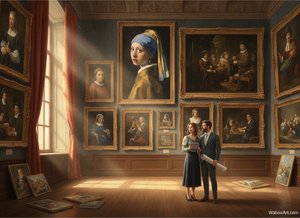
10 Obras Maestras que Definieron la Edad de Oro Holandesa
Viaja a la Edad de Oro Holandesa y descubre el brillo de Vermeer y Rembrandt. Explora 10 obras maestras llenas de luz y claroscuro. Encuentra reproducciones al óleo de calidad museo para tu hogar en OriginalUniqueArt.com. ¡Explora la colección completa online!

Los 10 Maestros del Siglo de Oro Holandés: Arte, Historia y Decoración Exclusiva
Descubre los 10 imprescindibles del Siglo de Oro Holandés: Rembrandt, Vermeer y más. Explora la historia, técnica y belleza de estos lienzos clásicos. Encuentra reproducciones de arte exclusivas para decorar tu hogar en .

10 Obras Maestras que Definieron la Edad de Oro Holandesa
Viaja a la Edad de Oro Holandesa y descubre 10 obras maestras de Vermeer y Rembrandt. Explora la luz, el claroscuro y la belleza eterna del arte clásico. Encuentra reproducciones al óleo de calidad museo para tu hogar en OriginalUniqueArt.com. ¡Explora la colección completa online!
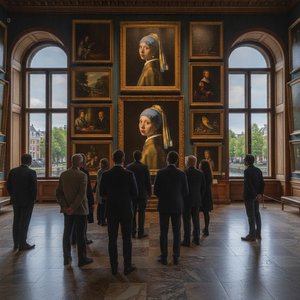
25 Obras Maestras del Mauritshuis: Un Viaje por la Edad de Oro Holandesa
Descubre las 25 joyas del Mauritshuis: desde el misterio de Vermeer hasta la intensidad de Rembrandt. Explora la esencia de la Edad de Oro holandesa y encuentra reproducciones maestras para tu hogar. ¡Explora la colección completa en OriginalUniqueArt.com!