

 Vista previa
 Compartir
 Compartir
 Ver detalles

 Descargar
 Ver similares
 Radiografía
 Presentación de diapositivas
Landscape
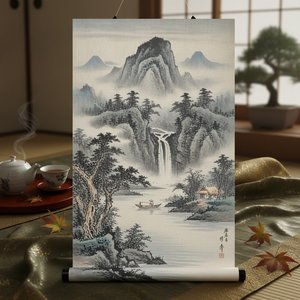
 Shui-mo (Japanese Landscape)
 601
601 32.0cm x 50.0cm
 Leer más
Reproducción al óleo hecha a mano
Óleo sobre lienzo pintado a mano en el tamaño y marco de su elección, realizado por encargo por nuestros artistas. ( Pedir impresión Comprar descarga)




































Elija entre nuestros tamaños predefinidos que respetan las proporciones originales de la obra.

Puede ingresar sus propias dimensiones para adaptarse a un marco o espacio específico. Si el tamaño seleccionado no coincide con las proporciones de la imagen original, recortaremos la obra o extenderemos la pintura con elementos adicionales pintados a mano. Se le enviará una maqueta digital para su aprobación antes de comenzar la producción.
Tenga en cuenta que la vista previa en pantalla no refleja el recorte o la extensión reales. Solo la maqueta mostrará con precisión la composición final.
Si bien existen tamaños personalizados, recomendamos seleccionar una dimensión de la lista predefinida para preservar las proporciones originales.
Tras realizar el pedido, el equipo de OriginalUniqueArt.com enviará un correo electrónico al cliente para solicitar instrucciones y proporcionarle una vista previa del boceto.
Envío a todo el mundo () en 3-4 semanas en lugar de las 5 semanas estándar. (22 agosto). Sin comprometer la calidad.

Envío exprés gratuito a todo el mundo

Lienzo de lino de alta calidad

Seguro de envío completo

Garantía de reembolso de aranceles aduaneros

Garantía de fidelidad cromática exacta

Política de devolución de 60 días (solo por defectos)

Garantía de devolución del 100% del dinero

Oferta por volumen
 La opción de vidrio solo está disponible en tamaños inferiores a 110 cm.

Landscape
Técnica de reproducción
Tamaño de la reproducción
-


Precio total
$ 300
Biografía del artista
Hara Naoharu: A Pioneer of Monochrome Landscape Painting
Hara Naoharu (1547 – 1618), born in Saga, Japan, stands as a pivotal figure in the history of Japanese art, particularly renowned for his masterful execution of suiboku-ga—water-ink monochrome paintings—during the Momoyama period. He was the second son of Hara Naoe, lord of Nogomi Castle in Hizen Province, establishing him within a noble lineage deeply intertwined with the artistic patronage of the era. His artistic journey began under the tutelage of Sesshu Sesshū (1428–1506), arguably the most influential painter of his time, whose austere style profoundly shaped Naoharu’s approach to composition and tonal gradation—a hallmark of the Unkoku School he founded.- Early Life & Training: Naoharu's formative years were marked by exposure to the refined artistic environment fostered by his father’s castle, where he honed his skills alongside other prominent artists. Sesshu’s teachings instilled in him a dedication to capturing the essence of nature through subtle variations in ink tone—a technique prioritizing observation and conveying mood rather than detailed representation. This meticulous attention to detail—a characteristic inherited from Sesshu—became central to Naoharu's artistic vision.
- The Unkoku School: Unlike the Kanō school’s opulent depictions of mythological scenes and ceremonial rituals, Unkoku paintings prioritized conveying a sense of serenity and contemplation. Naoharu skillfully utilized tonal gradation—the subtle blending of ink washes to create depth and luminosity—to evoke feelings of tranquility and spiritual resonance.
- Notable Works: His masterful command of ink wash technique—a cornerstone of Japanese painting—allowed him to transform ordinary landscapes into expressions of profound spiritual insight.

Hara Naoharu
1547 - 1618 , Japón
Datos clave
- Artistic Movement Or Style: Suiboku-ga (水墨画)
- Artists Or Movements Influenced By This Artist: Kanō escuela
- Artists Who Influenced This Artist: Sesshu Sesshū
- Date Of Birth: 1547
- Date Of Death: 1618
- Full Name: Hara Naoharu
- Nationality: Japonés
- Notable Artworks: ['Paisajes']
- Place Of Birth: Saga, Japón
Artículos relacionados

Katsushika Hokusai: Las 25 Obras Maestras del Ukiyo-e que Transformaron el Arte Japonés | OriginalUniqueArt
Descubre las 25 obras maestras de Katsushika Hokusai, el genio del ukiyo-e. Explora 'La Gran Ola', paisajes japoneses y su impacto en el arte moderno. Reproducciones de alta calidad para tu hogar en OriginalUniqueArt.com.
Serenity on Canvas: A Guide to the Timeless Beauty of Japanese Landscape Painting
Discover the serene beauty of Japanese landscape painting. From Hokusai's iconic woodblock prints to meditative sumi-e ink washes, explore a visual journey through the 'floating world' and learn how to bring this timeless Zen aesthetic into your modern home decor.

Paisajes Románticos: 10 Obras Maestras que Definieron un Movimiento Artístico
Descubre los 10 paisajes románticos más influyentes de artistas como Caspar David Friedrich y Turner. Explora la belleza, el simbolismo y las técnicas del movimiento romántico. Reproducciones de arte exclusivas en OriginalUniqueArt.com.

Zen on Canvas: The Timeless Beauty and Spiritual Depth of Japanese Landscape Painting
Explore the profound serenity of Japanese landscape painting. From Hokusai's waves to Zen-inspired ink washes, discover the history, technique, and spiritual depth of Ukiyo-e masters in this expert art historical guide for collectors and enthusiasts.

Evocations of Place: A Historical Journey Through Landscape Art
Explore the rich history of landscape art with OriginalUniqueArt. Discover renowned artists, movements like Impressionism & Romanticism, and expert guidance for collecting timeless pieces. Find your perfect serene escape today!

