

 Vista previa
 Compartir
 Compartir
 Ver detalles
 Guía
Guía

 Descargar
 Ver artículos similares
 Radiografía
 Presentación de diapositivas
 Estadísticas
Christ before Pilate
 Óleo sobre tabla
- German Realism
 1437
1437- Renacimiento
 148.0 x 140.0 cm
 Staatliche Museen zu Berlin
 Leer más
Giclée / Impresión de arte
Impresiones giclée o en lienzo de calidad de museo con producción rápida y opciones de acabado flexibles. ( Encargar reproducción pintada a mano Ver versión en imagen digital)




P118B $10

P118H $10

P118W $10

P438Z $10

P508JH $12

P508YH $12

P805H $10

P805Z $10

P919BZ $10

P919G $10

P919XJ $10

P959ZH $10

P968JZ $12

W106C $8

W218G $10

W218JH $8

W218Y $10

W307PJ $10

W316G $10

W316PJ $8

W316Y $10

W398PJ $8

W4111J $10

W500HY $15

W500JH $15

W692G $12

W849H $8

W940BG $15

W953PJ $8




Elija entre nuestros tamaños predefinidos que respetan las proporciones originales de la obra.

Puede introducir sus propias dimensiones para adaptarse a un marco o espacio específico. Si el tamaño seleccionado no coincide con las proporciones de la imagen original, recortaremos la obra de arte o extenderemos la imagen con un borde con efecto espejo o de color sólido. Se enviará una maqueta digital para su aprobación antes de que comience la producción.
Tenga en cuenta que la vista previa en pantalla no refleja el recorte o la extensión real. Solo la maqueta mostrará con precisión la composición final.
Aunque existen tamaños personalizados, recomendamos seleccionar una dimensión de la lista predefinida para preservar las proporciones originales.
Envío a todo el mundo () en 2 semanas en lugar de las 4/5 semanas estándar. (25 septiembre)

Envío exprés gratuito a todo el mundo

Lienzo de lino de alta calidad

Seguro de envío completo

Garantía de reembolso de impuestos aduaneros

Garantía de fidelidad cromática exacta

Política de devolución de 100 días (solo por defectos)

Garantía de devolución del 100% del dinero

Oferta por volumen
 La opción de vidrio solo está disponible en tamaños inferiores a 110 cm.

Christ before Pilate
Giclée / Impresión de arte
Tamaño de la reproducción
-


Precio total
$ 80
The Weight of Judgment: Christ Before Pilate
To stand before this depiction of Christ before Pilate is to step directly into the crucible of human history and divine confrontation. Painted in 1437 by Hans Multscher, this work transcends a mere narrative scene; it is a profound meditation on innocence facing overwhelming temporal power. The composition immediately draws the eye to the central drama: Jesus, seated with an air of serene dignity, enduring the scrutiny of Pontius Pilate and the surrounding throng. Multscher masterfully captures not just the event, but the palpable tension that hangs in the air—the weight of judgment pressing down upon all figures.
A Masterpiece of Early German Realism
Hans Multscher stands as a pivotal figure, an artist whose vision helped shepherd German art from the lingering echoes of the Gothic into the bright dawn of Renaissance naturalism. His technique is remarkable for its commitment to detail and emotional verisimilitude. One can almost feel the texture of the robes and observe the subtle gestures of the accusers. The inclusion of specific objects—the bowl near the lower left, the cup aloft in the upper right, and the visible swords—are not mere set dressing; they are carefully placed signifiers that ground the theological drama in a tangible, believable reality. This meticulous attention to material detail speaks volumes about Multscher’s deep study of the observable world.
Symbolism Woven into the Scene
Every element within this panel seems imbued with symbolic resonance. The contrast between Christ's calm composure and the agitated energy of the surrounding figures creates a powerful visual dialectic. Consider the implements: the swords, symbols of earthly authority and potential violence, stand in stark opposition to the spiritual truth embodied by the central figure. These objects serve as potent reminders that the conflict depicted is not merely political, but fundamentally spiritual. The entire arrangement invites contemplation on themes of sacrifice, martyrdom, and the enduring nature of grace against the tide of human fallibility.
Bringing Sacred Drama Home
For the discerning collector or designer seeking an anchor piece for a grand hall or chapel setting, this reproduction offers unparalleled depth. Owning a work echoing Multscher’s genius allows one to connect with the intellectual and spiritual currents that defined early Northern European art. The rich narrative quality ensures that the artwork remains engaging across generations, inviting viewers not just to look, but to participate in the contemplation of its weighty themes. It is an heirloom piece, carrying the resonance of 15th-century devotion rendered with breathtaking, enduring realism.
Biografía del artista
Introducción a Hans Multscher
Hans Multscher, un renombrado pintor y escultor alemán, nació en Reichenhofen (hoy Leutkirch im Allgäu) alrededor de 1400. Es conocido por su excepcional trabajo en el campo del arte, particularmente en las regiones de Francia del Norte y los Países Bajos.Vida Temprana y Formación
Multscher se familiarizó con nuevos estilos artísticos provenientes de Francia del Norte y los Países Bajos, lo que tuvo un impacto significativo en su obra. En 1427, se convirtió en ciudadano libre de la ciudad de Ulm, donde contrajo matrimonio con Adelheid Kitzin. Dirigió su propio negocio como pintor y escultor, junto con su hermano Heinrich Multscher.Obras Notables
Entre sus obras más destacadas se encuentra Santa María Magdalena, que actualmente se encuentra en el Liebieghaus en Frankfurt am Main. Otra obra famosa es el Hombre de Dolores, una copia del cual se puede encontrar en la catedral de Ulm. Además, su grupo de emperadores se puede ver en la ventana oriental del ayuntamiento de Ulm.Estilo Artístico y Legado
El estilo de Multscher se caracteriza por un naturalismo sólido, reminiscente de Sluter, lo que sugiere que recibió formación en Francia. Su obra representa una transición entre el arte gótico tardío y los primeros elementos del Renacimiento. Su habilidad para representar figuras humanas con realismo y detalle, combinada con su enfoque en temas religiosos, le valió reconocimiento como uno de los artistas más importantes de su época. Multscher contribuyó significativamente al desarrollo del arte alemán, influyendo en generaciones posteriores de artistas. Su legado perdura a través de sus esculturas y pinturas que se conservan en museos y colecciones alrededor del mundo, ofreciendo una valiosa visión de la vida artística y cultural del siglo XV.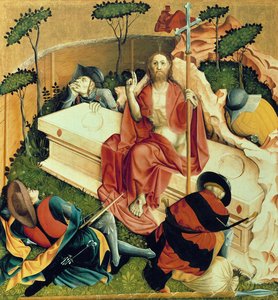
Hans Multscher
1400 - 1467 , Alemania
Datos clave
- Artistas Que Influyeron: ['Sluter']
- Fecha De Muerte: 1467
- Fecha De Nacimiento: c. 1400
- Lugar De Nacimiento: Reichenbach im Baumes, Alemania
- Movimiento Artístico: Gótico tardío/Renacimiento
- Nacionalidad: Alemán
- Nombre Completo: Hans Multscher
- Obras Notables:
- Santa María Magdalena
- Hombre de dolores
- Grupo de emperadores
Artículos relacionados

Expresionismo Alemán: 10 Obras Maestras que Transformaron el Arte | OriginalUniqueArt
Descubre las 10 obras maestras del Expresionismo Alemán: Kirchner, Munch y más. Explora la historia, técnica y emoción detrás de estos lienzos icónicos. Reproducciones de arte de museo en OriginalUniqueArt.com. ¡Inspira tu hogar con arte!
The Northern Awakening: Artistic Innovation & Cultural Transformation in the German Renaissance
Explore the artistic innovation of the German Renaissance! Discover Dürer, the Danube School & Reformation art. Learn about techniques, materials & lasting influence. Find museum-quality reproductions at OriginalUniqueArt.
Fra Angelico: Las 25 Obras Maestras del Renacimiento para Decorar con Arte y Fe
Descubre las 25 obras maestras de Fra Angelico, el pintor renacentista que llenó el arte sacro de luz y fe. Explora su técnica, simbolismo y belleza en frescos e iconos. Encuentra reproducciones de alta calidad para decorar tu hogar con OriginalUniqueArt.com.
Sacred Narratives Embodied: A Comprehensive Exploration of Religious Iconography in Art History
Explore the rich history of religious iconography in art! Discover symbolism, movements & masterpieces from Byzantine to Renaissance periods. Expert insights for collectors and enthusiasts at OriginalUniqueArt.

Hans Holbein the Younger: A Renaissance Portraitist's Mastery of Realism & Psychological Insight
Explore the life & art of Hans Holbein the Younger, a Renaissance master renowned for his strikingly realistic portraits and psychological insight. Discover iconic works like 'The Ambassadors' and delve into his lasting legacy.


