Vista previa
 Compartir
 Compartir
 Ver detalles
 Guía
Guía

 Descargar
 Ver artículos similares
 Radiografía
 Presentación de diapositivas
 Estadísticas
Three Ages of Man


 Leer más
Giclée / Impresión de arte
Impresiones giclée o en lienzo de calidad de museo con producción rápida y opciones de acabado flexibles. ( Encargar reproducción pintada a mano Ver versión en imagen digital)




P118B $10

P118H $10

P118W $10

P438Z $10

P508JH $12

P508YH $12

P805H $10

P805Z $10

P919BZ $10

P919G $10

P919XJ $10

P959ZH $10

P968JZ $12

W106C $8

W218G $10

W218JH $8

W218Y $10

W307PJ $10

W316G $10

W316PJ $8

W316Y $10

W398PJ $8

W4111J $10

W500HY $15

W500JH $15

W692G $12

W849H $8

W940BG $15

W953PJ $8




Elija entre nuestros tamaños predefinidos que respetan las proporciones originales de la obra.

Puede introducir sus propias dimensiones para adaptarse a un marco o espacio específico. Si el tamaño seleccionado no coincide con las proporciones de la imagen original, recortaremos la obra de arte o extenderemos la imagen con un borde con efecto espejo o de color sólido. Se enviará una maqueta digital para su aprobación antes de que comience la producción.
Tenga en cuenta que la vista previa en pantalla no refleja el recorte o la extensión real. Solo la maqueta mostrará con precisión la composición final.
Aunque existen tamaños personalizados, recomendamos seleccionar una dimensión de la lista predefinida para preservar las proporciones originales.
Envío a todo el mundo () en 2 semanas en lugar de las 4/5 semanas estándar. (26 septiembre)

Envío exprés gratuito a todo el mundo

Lienzo de lino de alta calidad

Seguro de envío completo

Garantía de reembolso de impuestos aduaneros

Garantía de fidelidad cromática exacta

Política de devolución de 100 días (solo por defectos)

Garantía de devolución del 100% del dinero

Oferta por volumen
 La opción de vidrio solo está disponible en tamaños inferiores a 110 cm.

Three Ages of Man
Giclée / Impresión de arte
Tamaño de la reproducción
-


Precio total
$ 80
The Eternal Cycle: A Journey Through Hans Baldung's Three Ages of Man
In the profound depths of the Northern Renaissance, few artists possessed the ability to weave the threads of mortality and human experience as masterfully as Hans Baldung. His painting, "Three Ages of Man," stands as a hauntingly beautiful meditation on the inevitable passage of time. Through a composition that is both intimate and universal, Baldung invites the viewer into a silent dialogue with the self, presenting three naked figures that represent the fundamental stages of human existence: childhood, adulthood, and old age. There is an undeniable vulnerability in these figures, stripped of all worldly status, leaving only the raw essence of life as it unfolds from the first breath to the twilight years.
The artist’s technique serves to heighten this emotional resonance. A student of the legendary Albrecht Dürer, Baldung utilized a style characterized by vivid, saturated colors and an expressive anatomical precision that bridges the gap between stark realism and the ethereal realms of imagination. Each figure is meticulously rendered with distinct physical characteristics—the soft, unformed potential of the infant, the robust vitality of the adult, and the weathered, fragile dignity of the elderly. This careful attention to detail ensures that the viewer does not merely observe a painting, but witnesses a biological and spiritual progression that feels deeply personal.
Symbolism and the Memento Mori
Beyond the central figures, Baldung embeds a rich tapestry of symbolism that transforms the canvas into a complex allegory. The composition is punctuated by objects that act as silent narrators of our fleeting existence. A bird perched delicately on the left side introduces a touch of the natural world, perhaps representing the lightness of youth or the soul's flight. Near the center, a clock serves as a poignant memento mori, its steady movement a rhythmic reminder that time is an unstoppable force, consuming all things in its path. The presence of two swords, positioned with strategic weight towards the middle and right, introduces themes of strength, protection, and the inevitable conflicts faced throughout one's journey.
This interplay of symbols creates a profound psychological depth. For the collector or the art enthusiast, the painting offers more than mere aesthetic pleasure; it provides a space for contemplation on the human condition. The tension between the vitality of the flesh and the encroaching shadow of mortality is palpable, making the work an enduring masterpiece of German Renaissance thought. It is a piece that does not just decorate a room but commands the spirit, prompting reflections on legacy, memory, and the beauty found within the transient nature of life.
A Timeless Addition to the Curated Space
For interior designers and connoisseurs of fine art, "Three Ages of Man" represents an unparalleled opportunity to introduce a sense of historical gravity and intellectual depth into a collection. Whether placed in a quiet study, a grand gallery, or a thoughtfully designed living space, this work acts as a focal point that sparks conversation and evokes emotion. The dramatic interplay of light and shadow, combined with the profound thematic weight, makes it an ideal centerpiece for those seeking to curate environments that are both sophisticated and soulful.
Owning a high-quality, hand-painted reproduction of this masterpiece allows one to bring the legacy of the Northern Renaissance into the modern era. These meticulous recreations capture the very essence of Baldung’s brushwork—the expressive textures, the nuanced skin tones, and the symbolic complexity—ensuring that the emotional impact of the original is preserved. To display such a work is to celebrate the enduring power of art to capture the infinite within the finite, making it a profound investment for any lover of classical beauty.
Biografía del artista
Primeros años y formación
Hans Baldung, pintor e impresor alemán, nació alrededor de 1484 en Schwäbisch Gmünd (anteriormente Gmünd) en Alemania. Fue el primer hombre de su familia en no asistir a la universidad, optando por una carrera artística. Comenzó su formación alrededor de 1500 en la Alta Renania con un artista de Estrasburgo.Aprendizaje con Albrecht Dürer
En 1503, Hans Baldung se convirtió en aprendiz del renombrado artista alemán Albrecht Dürer. Este período tuvo un profundo impacto en su desarrollo artístico. Rápidamente adoptó la influencia y el estilo de Dürer, y ambos se convirtieron en amigos cercanos. Durante la segunda estancia de Dürer en Venecia, Baldung gestionó su taller.Estilo Artístico y Temas
Hans Baldung desarrolló un estilo distintivo caracterizado por el color, la expresión y la imaginación. Sus talentos eran variados, y produjo una gran variedad de obras que incluyen:- Retratos
- Xilografías (grabados en madera)
- Retablos
- Dibujos
- Tapices
- Alegorías
- Motivos mitológicos
Obras Destacadas y Legado
Algunas de las pinturas más características de Hans Baldung son pequeñas en escala, presentando alegorías a menudo eróticas y obras mitológicas desconcertantes. Su trabajo en el retablo del altar mayor en Münster, Alemania, muestra su apoyo al movimiento de la Reforma.- ver las obras de arte de hans baldung en OriginalUniqueArt
- leer más sobre hans baldung grien en wikipedia
Museos y Colecciones
La Gemäldegalerie Alte Meister en Alemania, un museo de renombre mundial, alberga una impresionante colección de pinturas europeas del siglo XV al XVIII. Aunque no se centra específicamente en la obra de Hans Baldung, proporciona un contexto para comprender el período artístico en el que vivió. leer más sobre Gemäldegalerie Alte Meister en OriginalUniqueArtConclusión
Hans Baldung Grien o Grün, con su mezcla única de color, expresión e imaginación, sigue siendo una figura significativa en la historia del arte alemán. Su exploración de temas como la brujería y lo sobrenatural añade una capa fascinante a su obra.
Hans Baldung
1485 - 1545 , Germany
Datos clave
- Artistas Que Influyeron: ['Albrecht Dürer']
- Fecha De Fallecimiento: 1545
- Fecha De Nacimiento: 1485 (aprox.)
- Lugar De Nacimiento: Schwäbisch Gmünd, Alemania
- Movimiento Artístico: Renacimiento alemán
- Nacionalidad: Alemán
- Nombre Completo: Hans Baldung Grien
- Obras Notables:
- San Juan Bautista en Patmos
- Muerte y la Doncella
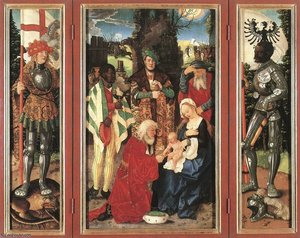
- Retablo de los Tres Reyes
Artículos relacionados

Reflejos de una Época Dorada: La Pintura Barroca Holandesa y la Innovación Cultural
Descubra la riqueza y el detalle de la pintura barroca holandesa del Siglo de Oro. Explore las obras maestras de Rembrandt, Vermeer y otros artistas clave. Análisis experto e historia cultural.

Los 10 Maestros del Siglo de Oro Holandés: Arte, Historia y Decoración Exclusiva
Descubre los 10 imprescindibles del Siglo de Oro Holandés: Rembrandt, Vermeer y más. Explora la historia, técnica y belleza de estos lienzos clásicos. Encuentra reproducciones de arte exclusivas para decorar tu hogar en .
The Gilded Age Revisited: Art Deco's Modernity & Luxury
Explore the captivating world of Art Deco paintings & the Gilded Age's enduring legacy. Discover iconic artists like Tamara de Lempicka & invest in museum-quality reproductions with OriginalUniqueArt.
Fernand Léger: Las 25 Obras Maestras del Tubismo y la Vanguardia Francesa | OriginalUniqueArt
Descubre las 25 obras maestras de Fernand Léger, pionero del tubismo y la vanguardia francesa. Explora su estética industrial, composiciones geométricas y vibrantes colores. Reproducciones de arte exclusivas en OriginalUniqueArt.com.
Hans Baldung Grien: A Renaissance Master of Allegory, Innovation & the Grotesque
Explore the captivating world of Hans Baldung Grien, a Renaissance master renowned for his allegorical paintings, striking woodcuts & unique depictions of mythology and the grotesque. Discover his life, works & legacy with OriginalUniqueArt.