Vista previa
 Compartir
 Compartir
 Ver detalles
 Guía
Guía

 Descargar
 Ver artículos similares
 Radiografía
 Presentación de diapositivas
 Estadísticas
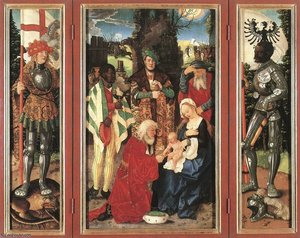
The Trinity and Mystic Pietà
 Oil On Panel
- WallArt
- Northern Renaissance
 1512
1512- Renaissance
 112.0 x 89.0 cm
 La National Gallery
 Leer más
Reproducción al óleo hecha a mano
Óleo sobre lienzo pintado a mano en el tamaño y marco de su elección, realizado por encargo por nuestros artistas. ( Cambiar a formato impreso Ver versión en imagen digital)




P118B $10

P118H $10

P118W $10

P438Z $10

P508JH $12

P508YH $12

P805H $10

P805Z $10

P919BZ $10

P919G $10

P919XJ $10

P959ZH $10

P968JZ $12

W106C $8

W218G $10

W218JH $8

W218Y $10

W307PJ $10

W316G $10

W316PJ $8

W316Y $10

W398PJ $8

W4111J $10

W500HY $15

W500JH $15

W692G $12

W849H $8

W940BG $15

W953PJ $8




Elija entre nuestros tamaños predefinidos que respetan las proporciones originales de la obra.

Puede ingresar sus propias dimensiones para adaptarse a un marco o espacio específico. Si el tamaño seleccionado no coincide con las proporciones de la imagen original, recortaremos la obra o extenderemos la pintura con elementos adicionales pintados a mano. Se le enviará una maqueta digital para su aprobación antes de comenzar la producción.
Tenga en cuenta que la vista previa en pantalla no refleja el recorte o la extensión reales. Solo la maqueta mostrará con precisión la composición final.
Si bien existen tamaños personalizados, recomendamos seleccionar una dimensión de la lista predefinida para preservar las proporciones originales.
Tras realizar el pedido, el equipo de OriginalUniqueArt.com enviará un correo electrónico al cliente para solicitar instrucciones y proporcionarle una vista previa del boceto.
Envío a todo el mundo () en 3-4 semanas en lugar de las 5 semanas estándar. (25 septiembre). Sin comprometer la calidad.

Envío exprés gratuito a todo el mundo

Lienzo de lino de alta calidad

Seguro de envío completo

Garantía de reembolso de impuestos aduaneros

Garantía de fidelidad cromática exacta

Política de devolución de 100 días (solo por defectos)

Garantía de devolución del 100% del dinero

Oferta por volumen
 La opción de vidrio solo está disponible en tamaños inferiores a 110 cm.

The Trinity and Mystic Pietà
Técnica de reproducción
Tamaño de la reproducción
-


Precio total
$ 300
A Divine Encounter: The Soul of Hans Baldung’s Masterpiece
In the quiet, contemplative corners of art history, few works command the room with as much spiritual gravity as Hans Baldung Grien’s “The Trinity and Mystic Pietà.” Completed in 1512, this monumental oil-on-oak painting serves as a profound window into the High Renaissance in Bavaria, capturing a moment where the earthly and the divine collide. At its heart, the composition is a masterclass in sacred geometry, utilizing a triangular arrangement to guide the viewer’s eye toward the wounded figure of Christ. As the light breaks through ethereal clouds, we witness God the Father supporting His son, while the Holy Spirit descends in the form of a delicate dove. This is not merely a religious icon; it is an emotional journey that invites the observer into a state of deep, meditative devotion.
The painting’s power lies in its ability to balance the monumental with the intimate. While the central figures represent the cosmic scale of the Christian Trinity, Baldung surrounds them with the raw, human reality of grief. The weeping presence of the Virgin Mary and Saint John the Evangelist provides a poignant emotional anchor, their sorrow mirroring the viewer's own capacity for empathy. For the discerning collector or interior designer, this piece offers more than just visual splendor; it brings a sense of historical weight and narrative depth to any space, acting as a focal point that encourages stillness and reflection.
The Mastery of Mannerist Technique and Light
To gaze upon this work is to witness the technical brilliance of a painter who was not afraid to embrace the unsettling. Baldung Grien, a gifted student of Albrecht Dürer, moved beyond the idealized perfection of his contemporaries to explore the expressive potential of Mannerism. He employs a sophisticated glazing technique, layering translucent pigments over opaque underlayers to create a luminous, almost supernatural glow that seems to emanate from within the figures themselves. This luminosity is heightened by his masterful use of chiaroscuro—the dramatic interplay between deep, velvety shadows and piercing highlights.
Every brushstroke serves a purpose in building the painting's psychological tension. The artist meticulously renders the intricate folds of drapery and the subtle, agonizing expressions on the faces of the mourners, ensuring that the texture of the paint contributes to the overall sense of solemnity. For those seeking a high-quality reproduction, these fine details—the way light catches a tear or the soft sheen of a saint's robe—are what make a hand-painted version so captivating. It is this meticulous attention to detail that allows the artwork to transcend its era, offering a timeless aesthetic that complements both classical and contemporary sophisticated interiors.
A Legacy of Symbolism and Spiritual Depth
Beyond its visual allure, “The Trinity and Mystic Pietà” is an intricate tapestry of theological symbolism. The inclusion of God the Father physically supporting the dead Christ is a rare and striking iconographic choice, evoking the "Mystic Pietà" theme that resonates with themes of sacrifice and eternal love. This arrangement serves as a powerful metaphor for the continuity of life and the strength found in divine providence. The presence of smaller, kneeling figures at the base of the composition suggests a bridge between the celestial realm and the human congregation, making the painting feel accessible and deeply personal.
For the art lover, this work represents the pinnacle of German Renaissance innovation. It captures a period of intense intellectual fervor, where humanist ideals began to intertwine with traditional piety. Owning or displaying a reproduction of such a significant piece is an opportunity to celebrate this historical intersection. Whether placed in a private study, a grand gallery, or a curated living space, Baldung’s masterpiece continues to provoke thought, inspire awe, and serve as a testament to the enduring power of sacred art.
Biografía del artista
Primeros años y formación
Hans Baldung, pintor e impresor alemán, nació alrededor de 1484 en Schwäbisch Gmünd (anteriormente Gmünd) en Alemania. Fue el primer hombre de su familia en no asistir a la universidad, optando por una carrera artística. Comenzó su formación alrededor de 1500 en la Alta Renania con un artista de Estrasburgo.Aprendizaje con Albrecht Dürer
En 1503, Hans Baldung se convirtió en aprendiz del renombrado artista alemán Albrecht Dürer. Este período tuvo un profundo impacto en su desarrollo artístico. Rápidamente adoptó la influencia y el estilo de Dürer, y ambos se convirtieron en amigos cercanos. Durante la segunda estancia de Dürer en Venecia, Baldung gestionó su taller.Estilo Artístico y Temas
Hans Baldung desarrolló un estilo distintivo caracterizado por el color, la expresión y la imaginación. Sus talentos eran variados, y produjo una gran variedad de obras que incluyen:- Retratos
- Xilografías (grabados en madera)
- Retablos
- Dibujos
- Tapices
- Alegorías
- Motivos mitológicos
Obras Destacadas y Legado
Algunas de las pinturas más características de Hans Baldung son pequeñas en escala, presentando alegorías a menudo eróticas y obras mitológicas desconcertantes. Su trabajo en el retablo del altar mayor en Münster, Alemania, muestra su apoyo al movimiento de la Reforma.- ver las obras de arte de hans baldung en OriginalUniqueArt
- leer más sobre hans baldung grien en wikipedia
Museos y Colecciones
La Gemäldegalerie Alte Meister en Alemania, un museo de renombre mundial, alberga una impresionante colección de pinturas europeas del siglo XV al XVIII. Aunque no se centra específicamente en la obra de Hans Baldung, proporciona un contexto para comprender el período artístico en el que vivió. leer más sobre Gemäldegalerie Alte Meister en OriginalUniqueArtConclusión
Hans Baldung Grien o Grün, con su mezcla única de color, expresión e imaginación, sigue siendo una figura significativa en la historia del arte alemán. Su exploración de temas como la brujería y lo sobrenatural añade una capa fascinante a su obra.
Hans Baldung
1485 - 1545 , Germany
Datos clave
- Artistas Que Influyeron: ['Albrecht Dürer']
- Fecha De Fallecimiento: 1545
- Fecha De Nacimiento: 1485 (aprox.)
- Lugar De Nacimiento: Schwäbisch Gmünd, Alemania
- Movimiento Artístico: Renacimiento alemán
- Nacionalidad: Alemán
- Nombre Completo: Hans Baldung Grien
- Obras Notables:
- San Juan Bautista en Patmos
- Muerte y la Doncella
- Retablo de los Tres Reyes
Artículos relacionados
The Timeless Charm of Oil on Board: Reimagining Texture and Light through the Impressionist Lens
Discover the profound intimacy of oil on panel. Explore how Impressionist masters used rigid supports to capture light, texture, and impasto depth through exquisite, handmade oil reproductions for discerning collectors.
Oil on Panel: A Historical Survey of Technique, Support & Aesthetic Evolution
Explore the rich history of oil on panel painting! Discover Renaissance techniques, support structures & aesthetic evolution. Expert insights for art collectors and enthusiasts.
Hans Baldung Grien: A Renaissance Master of Allegory, Innovation & the Grotesque
Explore the captivating world of Hans Baldung Grien, a Renaissance master renowned for his allegorical paintings, striking woodcuts & unique depictions of mythology and the grotesque. Discover his life, works & legacy with OriginalUniqueArt.
Mastering the Surface: A Historical and Technical Guide to the Art of Oil on Panel Painting
Explore the profound history and technical brilliance of oil on panel painting. From Renaissance masters to modern techniques, discover why this rigid support offers unparalleled precision and permanence for fine art lovers and collectors.
Las 10 Obras Maestras al Óleo sobre Panel que Transformaron la Historia del Arte |
Descubre las 10 obras maestras al óleo sobre panel que revolucionaron la historia del arte. Explora a Jan van Eyck, Botticelli y otros genios renacentistas. Reproducciones de arte exclusivas en para transformar tu hogar.