 Ver en contexto
 Enviar
 Compartir
 Detalles

 Descargar
 Similares
 Radiografía
 Presentación de diapositivas
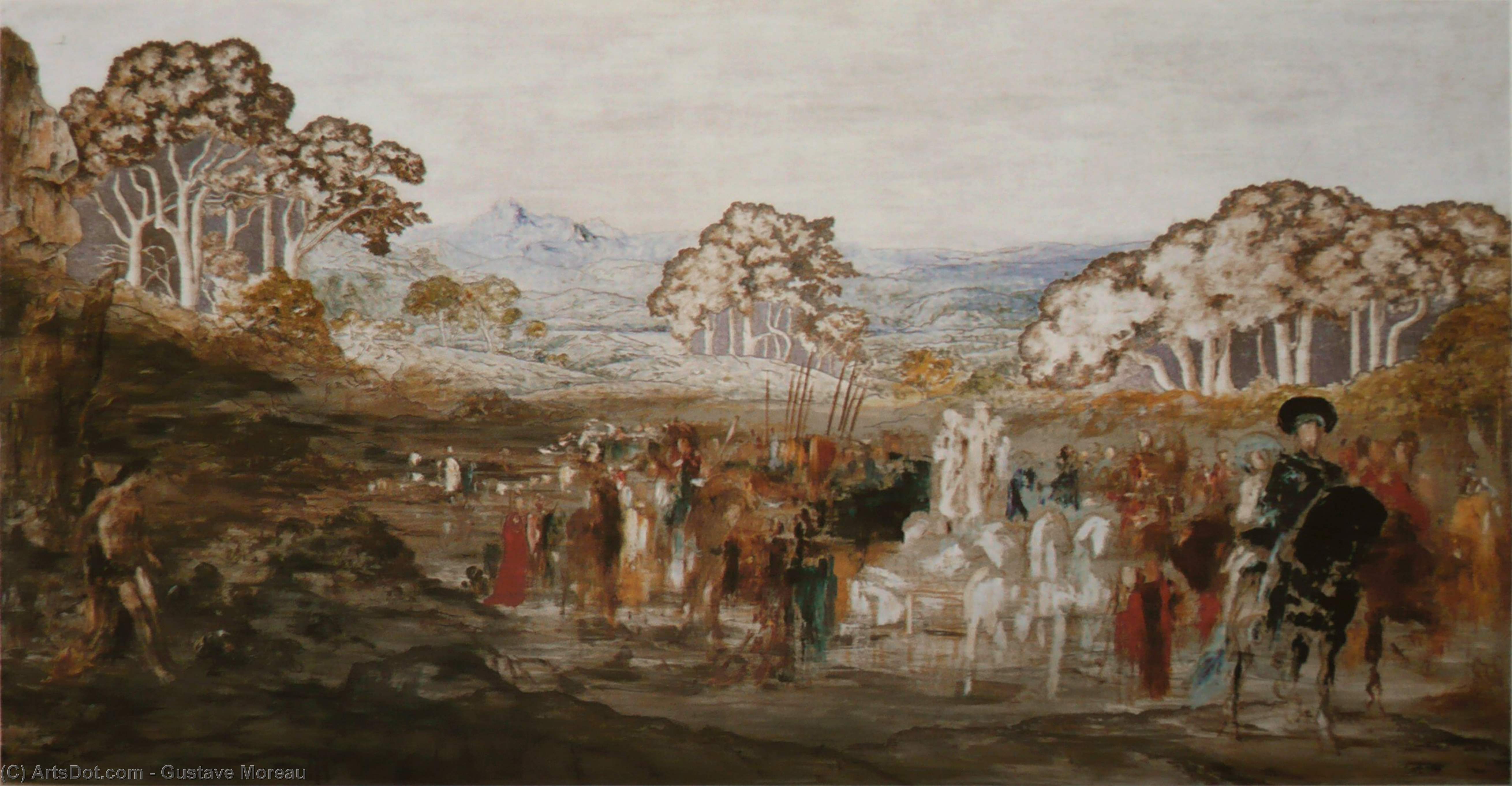
The Prodigal Son
 Oil On Canvas
- WallArt
- Symbolist Painting
 1890
1890- 19th Century
 115.0 x 200.0 cm
 Ver más
Reproducción al óleo hecha a mano
Óleo sobre lienzo pintado a mano en el tamaño y marco de su elección, realizado por encargo por nuestros artistas. ( Comprar impresión Comprar imagen)




P118B $10

P118H $10

P118W $10

P438Z $10

P508JH $12

P508YH $12

P805H $10

P805Z $10

P919BZ $10

P919G $10

P919XJ $10

P959ZH $10

P968JZ $12

W106C $8

W218G $10

W218JH $8

W218Y $10

W307PJ $10

W316G $10

W316PJ $8

W316Y $10

W398PJ $8

W4111J $10

W500HY $15

W500JH $15

W692G $12

W849H $8

W940BG $15

W953PJ $8




Elija entre nuestros tamaños predefinidos que respetan las proporciones originales de la obra.

Puede ingresar sus propias dimensiones para adaptarse a un marco o espacio específico. Si el tamaño seleccionado no coincide con las proporciones de la imagen original, recortaremos la obra o extenderemos la pintura con elementos adicionales pintados a mano. Se le enviará una maqueta digital para su aprobación antes de comenzar la producción.
Tenga en cuenta que la vista previa en pantalla no refleja el recorte o la extensión reales. Solo la maqueta mostrará con precisión la composición final.
Si bien existen tamaños personalizados, recomendamos seleccionar una dimensión de la lista predefinida para preservar las proporciones originales.
Tras realizar el pedido, el equipo de OriginalUniqueArt.com enviará un correo electrónico al cliente para solicitar instrucciones y proporcionarle una vista previa del boceto.
Envío a todo el mundo () en 3-4 semanas en lugar de las 5 semanas estándar. (31 agosto). Sin comprometer la calidad.

Envío exprés gratuito a todo el mundo

Lienzo de lino de alta calidad

Seguro de envío total

Garantía de reembolso de impuestos aduaneros

Garantía de fidelidad cromática exacta

Política de devolución de 60 días (solo por defectos)

Garantía de devolución del 100% del dinero

Descuento por cantidad
 La opción de vidrio solo está disponible en tamaños inferiores a 110 cm.

The Prodigal Son
Técnica de reproducción
Dimensiones de la reproducción
-


Precio total final
$ 300
A Visionary Descent into Symbolism
To gaze upon Gustave Moreau’s “The Prodigal Son” is to step beyond the veil of the visible world and enter a realm where the boundaries between reality and dream dissolve. Created around 1890, this masterpiece serves as a profound testament to the Symbolist movement, a period defined by an inward turn toward the mysteries of the human psyche. Moreau, often hailed as the "painter par excellence" of Symbolism, does not merely recount the biblical parable of the wayward son; he reimagines it as a haunting, psychological odyssey. The painting captures that pivotal moment of transition—the heavy weight of repentance meeting the ethereal promise of forgiveness. For the discerning collector or interior designer, this work offers more than just visual splendor; it provides a window into the spiritual anxieties and profound emotional depths that characterized the late 19th-century artistic consciousness.
The composition is a dynamic tapestry of movement and narrative tension. Within the frame, we encounter a scene teeming with life yet shrouded in an enigmatic atmosphere. A man, perhaps the son himself, is depicted in a suit atop a horse, navigating a landscape populated by a diverse assembly of figures and animals. The presence of horses and donkeys, scattered from the immediate foreground to the distant periphery, lends a sense of bustling, unfolding history to the piece. This orchestrated chaos is not random but serves to ground the allegorical weight of the story in a palpable, breathing world. The interplay between the central figures and the surrounding activity creates a rhythmic energy that draws the eye through the canvas, making the viewer an active participant in this unfolding drama of redemption.
The Alchemy of Technique and Light
Moreau’s technical mastery is evident in the luminous, almost otherworldly texture of the work. Eschewing the fleeting, light-drenched impressions of his contemporaries, Moreau utilized a more deliberate and layered approach to achieve a sense of permanence and depth. The palette is masterfully restrained, dominated by earthy, evocative tones—ochre, umber, and ivory—which coalesce to create a dreamlike, sepia-toned atmosphere. Through the careful application of oil on canvas, he achieves a remarkable luminosity, where light does not simply strike the surface but seems to emanate from within the layers themselves. This technique imbues the figures with a sculptural presence, making the textures of fabric and the musculature of the animals feel both tactile and transcendent.
For those seeking to integrate such a profound piece into a curated space, the aesthetic versatility of "The Prodigal Son" is remarkable. The muted, sophisticated color scheme allows it to serve as a soulful anchor in a room, providing a sense of historical gravity and intellectual depth. Whether placed in a contemporary gallery setting or a classic, richly textured study, the painting’s ability to command attention through subtle nuance rather than garish color makes it an exquisite choice for high-end decor. It is a work that rewards long, contemplative stares, offering new layers of detail and emotional resonance with every encounter.
A Legacy of Spiritual Resonance
Beyond its formal beauty, the true power of Moreau’s work lies in its symbolic polyvalence. As a pioneer of Symbolism, Moreau sought to express truths that words often fail to capture. In "The Prodigly Son," the physical journey of the returning traveler becomes an allegory for the soul's return to grace. Every element—from the starkness of the landscape to the weary posture of the figures—contributes to a larger meditation on morality, faith, and the enduring power of familial love. It is a painting that speaks to the universal human experience of loss and recovery, making it eternally relevant.
Owning a high-quality reproduction of this masterpiece allows one to bring this sense of spiritual inquiry into the modern home. It is an invitation to reflect, to dream, and to find beauty in the complexities of the human condition. For the art lover, it is a piece of history; for the designer, it is a cornerstone of atmosphere; and for the soul, it is a profound encounter with the sublime.
Biografía del artista
**vida temprana y educación**
gustave moreau, un artista francés, nació el 6 de abril de 1826 en París. Recibió una formación académica tradicional en pintura en la école des beaux-arts, mostrando una aptitud para el dibujo desde temprana edad.**el movimiento simbolista**
La obra de Moreau, caracterizada por temas alegóricos y mitológicos, lo posicionó como un destacado pintor simbolista, especialmente durante los años 1890. Su arte (y el simbolismo en general) cayó en desfavor pero ha sido reevaluado desde la década de 1960, con Moreau ahora considerado entre los pintores simbolistas más importantes.**obras notables y exposiciones**
* salomé en la prisión (pintura de 'gustave moreau') es un ejemplo notable de su obra, mostrando su dominio del simbolismo. * autorretrato (pintura de 'gustave moreau') es otra poderosa representación del artista en sí mismo.**museo gustavo moreau**
El museo nacional gustavo-moreau (museo gustavo moreau paris, francia) en París está dedicado a la obra de Moreau, que alberga más de 1200 pinturas, acuarelas y dibujos. El museo es un testimonio de su legado artístico.**legado e influencia**
La influencia de Moreau en el movimiento simbolista es innegable. Enseñó en la école des beaux-arts, influyendo en artistas notables como hénri matisse y giorges rouault. Su naturaleza reclusiva no disminuyó su impacto en el mundo del arte.- descubra más sobre la vida y obra de gustavo moreau en OriginalUniqueArt.com
- explore el museo nacional gustavo-moreau y su impresionante colección de obras de arte en museo gustavo moreau paris, francia
- aprenda más sobre el movimiento simbolista y su importancia en la historia del arte en el movimiento simbolista de arte

Gustave Moreau
1826 - 1898 , Francia
Datos clave
- Artistas Influenciados:
- Henri Matisse
- Georges Rouault
- Artistas Que Influyeron:
- Eugène Delacroix
- Miguel Ángel
- Leonardo da Vinci
- Fecha De Muerte: 1898
- Fecha De Nacimiento: 6 de abril de 1826
- Lugar De Nacimiento: París, Francia
- Movimiento Artístico: Simbolismo
- Nacionalidad: Francés
- Nombre Completo: Gustave Moreau
- Obras Notables:
- Salomé en la prisión
- Autorretrato
- Júpiter y Semele
- Orfeo
- La Aparición
Artículos relacionados
Gustav Klimt: Las 25 Obras Maestras que Definen un Ícono del Arte Moderno | OriginalUniqueArt
Descubre las 25 obras maestras de Gustav Klimt, ícono del simbolismo y Art Nouveau. Explora 'El Beso', 'Judith' y más. Reproducciones de arte en OriginalUniqueArt.com para decorar tu hogar con elegancia. ¡Inspírate!
Gustave Moreau: Symbolism's Enigmatic Visionary & Precursors of Modern Fantasy Art
Explore the captivating world of Gustave Moreau, the leading Symbolist painter. Discover his iconic masterpieces, influences, and lasting legacy. Expert analysis for collectors & art enthusiasts.
The Noble Steed on Canvas: A Historical & Artistic Exploration of Horse Painting Across Cultures
Explore the rich history of horse painting! Discover masterpieces from Stubbs to Munnings & learn about symbolism, techniques & artists. Find museum-quality reproductions at OriginalUniqueArt.
Echoes of Olympus: Mythological Narratives in Western Art Through the Ages
Explore the captivating history of mythological narratives in Western art! From ancient Greece to modern masterpieces, discover iconic artworks & symbolism. Expert analysis and high-quality reproductions at OriginalUniqueArt.

The Equine Muse: A Historical & Artistic Exploration of Horses in Painting
Explore the captivating history of horses in painting! Discover Renaissance masterpieces, Baroque grandeur & expert insights for collecting equestrian art. Learn about symbolism, techniques & lasting value with OriginalUniqueArt.