Vista previa
 Compartir
 Compartir
 Ver detalles
 Guía
Guía

 Descargar
 Ver artículos similares
 Radiografía
 Presentación de diapositivas
 Estadísticas
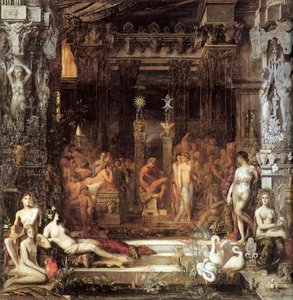
Leda and the Swan


 Leer más
Reproducción al óleo hecha a mano
Óleo sobre lienzo pintado a mano en el tamaño y marco de su elección, realizado por encargo por nuestros artistas. ( Cambiar a formato impreso Ver versión en imagen digital)




P118B €10

P118H €10

P118W €10

P438Z €10

P508JH €12

P508YH €12

P805H €10

P805Z €10

P919BZ €10

P919G €10

P919XJ €10

P959ZH €10

P968JZ €12

W106C €8

W218G €10

W218JH €8

W218Y €10

W307PJ €10

W316G €10

W316PJ €8

W316Y €10

W398PJ €8

W4111J €10

W500HY €15

W500JH €15

W692G €12

W849H €8

W940BG €15

W953PJ €8




Elija entre nuestros tamaños predefinidos que respetan las proporciones originales de la obra.

Escriba el ancho y el alto que necesite para adaptarse a su marco o a su pared. Al ser una obra pintada a mano, para un tamaño con una forma distinta, el artista puede pintar un poco más alrededor de la imagen o recortar un poco; usted elige. Le enviaremos una maqueta digital para su aprobación antes de comenzar la pintura. La imagen que se muestra en esta página no refleja el resultado real; solo la maqueta lo hace.
Tras realizar el pedido, el equipo de OriginalUniqueArt.com enviará un correo electrónico al cliente para solicitar instrucciones y proporcionarle una vista previa del boceto.
Envío a todo el mundo () en 3-4 semanas en lugar de las 5 semanas estándar. (25 octubre). Sin comprometer la calidad.

Envío exprés gratuito a todo el mundo

Lienzo de lino de alta calidad

Seguro de envío completo

Garantía de reembolso de impuestos aduaneros

Garantía de fidelidad cromática exacta

Política de devolución de 100 días (solo por defectos)

Garantía de devolución del 100% del dinero

Oferta por volumen
 La opción de vidrio solo está disponible en tamaños inferiores a 110 cm.

Leda and the Swan
Técnica de reproducción
Tamaño de la reproducción
-


Precio total
€ 263
Leda and the Swan: A Symbol of Desire and Transformation
Gustave Moreau’s “Leda and the Swan” is not merely a depiction of a classical myth; it's an immersive plunge into a world of dreamlike symbolism and potent emotion. Born in 1826, Moreau was a pivotal figure in the Symbolist movement, rejecting the objective realism favored by his contemporaries to instead explore the depths of human psychology and spiritual yearning through intensely evocative imagery. This particular painting, created in 1865, exemplifies his signature style – rich, saturated colors layered with intricate patterns that seem to shimmer with an otherworldly glow. Moreau wasn’t interested in a straightforward narrative; he sought to capture the *feeling* of the myth, the unsettling beauty and inherent tension within the story of Zeus's seduction of Leda.
The Myth Unveiled: A Story of Divine Intervention
The painting draws upon the enduring Greek legend of Leda and the Swan. According to mythology, Zeus, disguised as a magnificent white swan, lured Leda onto a secluded shore. The encounter, depicted with both tenderness and an undeniable sense of power, resulted in the birth of Helen of Troy, Clytemnestra, and the twin boys Castor and Pollux – figures deeply intertwined with Greek history and legend. Moreau masterfully captures this moment of divine intervention, transforming a tale of illicit desire into a profound meditation on transformation and the blurring lines between the mortal and immortal realms. The swan itself becomes a potent symbol of Zeus’s deceptive power, while Leda embodies humanity's vulnerability and susceptibility to the allure of the gods.
Symbolism Woven into Every Detail
Moreau’s meticulous attention to detail elevates “Leda and the Swan” beyond a simple illustration. The composition is deliberately layered with symbolic elements. The opulent bedroom setting, bathed in muted colors, suggests a dreamscape – a realm where logic dissolves and the subconscious reigns supreme. Leda's pose, lying languidly on her side, conveys both vulnerability and surrender. The swan’s head resting upon her shoulder isn’t just a gesture of affection; it represents the divine force that has irrevocably altered her fate. Notice also the subtle figures surrounding Leda – they are not clearly defined, adding to the painting's enigmatic quality and suggesting the presence of unseen forces at play. The use of gold leaf and shimmering pigments further enhances this sense of otherworldly beauty and reinforces the painting’s symbolic weight.
A Masterpiece of Symbolist Technique
Moreau’s technique is characterized by a deliberate avoidance of sharp lines and clear definition, creating a hazy, dreamlike atmosphere. He employs glazing – applying thin layers of translucent paint over one another – to build up depth and luminosity, resulting in a surface that seems to vibrate with color. The intricate patterns and textures contribute to the painting’s overall sense of richness and complexity. “Leda and the Swan” stands as a testament to Moreau's mastery of Symbolist principles, demonstrating his ability to translate subjective experience into a visually arresting and emotionally resonant work of art. To truly appreciate this masterpiece, we encourage you to visit the Musée National Gustave-Moreau in Paris, where it resides alongside other treasures from Moreau’s extraordinary oeuvre.
Preguntas y respuestas
¿Los colores de "Leda and the Swan" de Gustave Moreau son saturados o tenues?
"Leda and the Swan" de Gustave Moreau está registrado con una saturación de Subtle Color.
¿Cuál es la luminosidad percibida de "Leda and the Swan" de Gustave Moreau?
En términos generales, "Leda and the Swan" se registra con una luminosidad de balanced. La luminosidad percibida describe qué tan clara u oscura parece la obra.
¿Tiene "Leda and the Swan" una vista previa en realidad aumentada?
"Leda and the Swan" tiene una vista previa en realidad aumentada: la página de Vista previa AR de la obra permite visualizarla en su propio espacio mediante un dispositivo compatible.
Biografía del artista
**vida temprana y educación**
gustave moreau, un artista francés, nació el 6 de abril de 1826 en París. Recibió una formación académica tradicional en pintura en la école des beaux-arts, mostrando una aptitud para el dibujo desde temprana edad.**el movimiento simbolista**
La obra de Moreau, caracterizada por temas alegóricos y mitológicos, lo posicionó como un destacado pintor simbolista, especialmente durante los años 1890. Su arte (y el simbolismo en general) cayó en desfavor pero ha sido reevaluado desde la década de 1960, con Moreau ahora considerado entre los pintores simbolistas más importantes.**obras notables y exposiciones**
* salomé en la prisión (pintura de 'gustave moreau') es un ejemplo notable de su obra, mostrando su dominio del simbolismo. * autorretrato (pintura de 'gustave moreau') es otra poderosa representación del artista en sí mismo.**museo gustavo moreau**
El museo nacional gustavo-moreau (museo gustavo moreau paris, francia) en París está dedicado a la obra de Moreau, que alberga más de 1200 pinturas, acuarelas y dibujos. El museo es un testimonio de su legado artístico.**legado e influencia**
La influencia de Moreau en el movimiento simbolista es innegable. Enseñó en la école des beaux-arts, influyendo en artistas notables como hénri matisse y giorges rouault. Su naturaleza reclusiva no disminuyó su impacto en el mundo del arte.- descubra más sobre la vida y obra de gustavo moreau en OriginalUniqueArt.com
- explore el museo nacional gustavo-moreau y su impresionante colección de obras de arte en museo gustavo moreau paris, francia
- aprenda más sobre el movimiento simbolista y su importancia en la historia del arte en el movimiento simbolista de arte

Gustave Moreau
1826 - 1898 , Francia
Datos clave
- Artistas Influenciados:
- Henri Matisse
- Georges Rouault
- Artistas Que Influyeron:
- Eugène Delacroix
- Miguel Ángel
- Leonardo da Vinci
- Fecha De Muerte: 1898
- Fecha De Nacimiento: 6 de abril de 1826
- Lugar De Nacimiento: París, Francia
- Movimiento Artístico: Simbolismo
- Nacionalidad: Francés
- Nombre Completo: Gustave Moreau
- Obras Notables:
- Salomé en la prisión
- Autorretrato
- Júpiter y Semele
- Orfeo
- La Aparición
Artículos relacionados
Art Nouveau: 10 Obras Maestras que Definieron un Movimiento Revolucionario |
Descubre las 10 obras maestras del Art Nouveau que revolucionaron el arte. Explora la belleza de Mucha, Klimt y más. Reproducciones de museo en para un hogar con estilo. ¡Inspírate ahora!
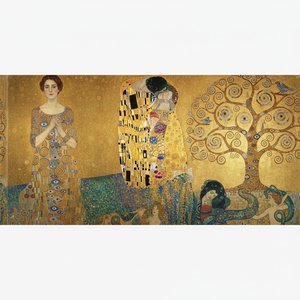
Gustav Klimt: Las 25 Obras Maestras que Definen un Ícono del Arte Moderno | OriginalUniqueArt
Descubre las 25 obras maestras de Gustav Klimt, ícono del simbolismo y Art Nouveau. Explora 'El Beso', 'Judith' y más. Reproducciones de arte en OriginalUniqueArt.com para decorar tu hogar con elegancia. ¡Inspírate!

Echoes of Olympus: Mythological Narratives in Western Art Through the Ages
Explore the captivating history of mythological narratives in Western art! From ancient Greece to modern masterpieces, discover iconic artworks & symbolism. Expert analysis and high-quality reproductions at OriginalUniqueArt.

Gustave Moreau: Symbolism's Enigmatic Visionary & Precursors of Modern Fantasy Art
Explore the captivating world of Gustave Moreau, the leading Symbolist painter. Discover his iconic masterpieces, influences, and lasting legacy. Expert analysis for collectors & art enthusiasts.

Timeless Legends: A Curated Guide to the Eternal Allure of Mythological Masterpieces
Embark on a sophisticated journey through the eternal allure of mythological art. Discover how master painters breathe life into ancient legends, from Greek deities to Baroque masterpieces, and learn to curate these timeless narratives within your own exquisite art collection.