Ver en contexto
 Enviar
 Compartir
 Detalles
 Guía
Guía

 Descargar
 Similares
 Radiografía
 Presentación de diapositivas
 Preguntas y respuestas
 Estadísticas
Los Sifters de grano

- 131.0 x 167.0 cm


 Ver más
Giclée / Impresión de arte
Impresiones giclée o en lienzo de calidad de museo con producción rápida y opciones de acabado flexibles. ( Comprar pintura hecha a mano Cambiar a imagen digital)




P118B €10

P118H €10

P118W €10

P438Z €10

P508JH €12

P508YH €12

P805H €10

P805Z €10

P919BZ €10

P919G €10

P919XJ €10

P959ZH €10

P968JZ €12

W106C €8

W218G €10

W218JH €8

W218Y €10

W307PJ €10

W316G €10

W316PJ €8

W316Y €10

W398PJ €8

W4111J €10

W500HY €15

W500JH €15

W692G €12

W849H €8

W940BG €15

W953PJ €8




Elija entre nuestros tamaños predefinidos que respetan las proporciones originales de la obra.

Introduzca el ancho y el alto que necesite para adaptarse a su marco o pared. Una impresión solo puede recortarse, nunca hacerse más grande que la imagen original, por lo que un tamaño con una forma distinta perderá parte de la obra. Le enviaremos una maqueta digital para su aprobación antes de realizar cualquier impresión. La imagen que se muestra en esta página no refleja el recorte real; solo la maqueta lo hace.
Envío a todo el mundo () en 2 semanas en lugar de las 4/5 semanas estándar. (9 noviembre)

Envío exprés gratuito a todo el mundo

Lienzo de lino de alta calidad

Seguro de envío total

Garantía de reembolso de aranceles aduaneros

Garantía de fidelidad cromática exacta

Política de devolución de 100 días (solo por defectos)

Garantía de devolución del 100% del dinero

Descuento por cantidad
 La opción de vidrio solo está disponible en tamaños inferiores a 110 cm.

Los Sifters de grano
Giclée / Impresión de arte
Dimensiones de la reproducción
-


Precio total final
€ 72
La Cribleuse de Blé
Gustave Courbet's The Grain Sifters stands as a cornerstone of Realist art, capturing not merely the visual appearance of rural labor but also its profound emotional resonance. Painted in 1854 and housed at the Musée des Beaux-Arts de Nantes, this monumental oil on canvas—measuring 131 x 167 cm—immediately confronts the viewer with an uncompromising depiction of everyday life, rejecting the idealized narratives favored by Romanticism. It’s a painting that demands contemplation, inviting us to consider the dignity and hardship inherent in manual labor.A Snapshot of Rural Existence
Courbet eschewed grand historical themes or mythological allegories, opting instead for a scene observed directly from the French countryside—specifically, a woman diligently sifting grain into a bowl. This seemingly simple composition is imbued with complexity. The woman’s posture—bent over her task with unwavering concentration—communicates both physical exertion and mental fortitude. Two children gaze upon her activity with earnest curiosity, mirroring the viewer's own engagement with the scene. Scattered around the table are additional figures engaged in various tasks – a silent observer, a man assisting with the process, and a cat curled up peacefully nearby – creating a tableau that speaks volumes about the rhythms of rural life.Technical Mastery: The Language of Realism
Courbet’s masterful technique exemplifies the tenets of Realism. He employed thick impasto—heavy application of paint—to build up textured surfaces that faithfully reproduce the materiality of the subject matter. Notice particularly the rich hues of the woman's dress, rendered with vibrant reds and browns, contrasting sharply against the muted tones of the surrounding environment. The artist’s meticulous attention to detail extends beyond mere representation; he strives to convey not just what is seen but also how it feels—the warmth of the sun on skin, the dust motes dancing in the air, the palpable effort expended by those involved in this commonplace activity. This deliberate rejection of illusionism underscores Courbet's commitment to portraying reality as it truly exists.Historical Context and Significance
The Grain Sifters emerged during a period of significant social upheaval in France—the aftermath of the Revolution and the burgeoning Industrial Age. Courbet’s artistic vision aligned with a broader movement that sought to challenge academic conventions and champion the dignity of ordinary people. Unlike Romantic artists who glorified heroic figures and fantastical landscapes, Courbet focused on portraying the lives of peasants and laborers—subjects often marginalized by society—with unflinching honesty. This painting served as a powerful statement against the prevailing aesthetic ideals of its time, asserting that beauty could be found in the mundane realities of daily existence.Beyond Representation: Emotional Resonance
More than just a depiction of labor, The Grain Sifters communicates a profound sense of human connection and resilience. The woman’s unwavering focus embodies perseverance and determination—qualities valued by Courbet as essential to the human spirit. The children's gaze reflects innocence and wonder, reminding us of the importance of preserving traditions and honoring the dignity of labor. Ultimately, this painting transcends mere visual representation; it invites viewers to contemplate the beauty inherent in simplicity and the enduring power of human experience—a legacy that continues to inspire artists and collectors alike.Explore a stunning reproduction of Gustave Courbet’s The Grain Sifters at OriginalUniqueArt and immerse yourself in the captivating world of Realist art.
Preguntas y respuestas
¿Qué paleta de colores utiliza "Los Sifters de grano"?
"Los Sifters de grano" de Gustave Courbet utiliza una paleta de colores Tonos neutros. Esta gama de tonos define el carácter cromático general de la obra.
¿En qué tamaño se recomienda imprimir "Los Sifters de grano"?
Se recomienda imprimir "Los Sifters de grano" en un tamaño de Tamaño estándar. Otros tamaños están disponibles con las mismas proporciones.
¿Qué emoción transmite "Los Sifters de grano" de Gustave Courbet?
"Los Sifters de grano" se asocia con un sentimiento Contemplativo. El tono emocional describe la impresión que transmite la obra.
Biografía del artista
Gustave Courbet: Un Pionero del Realismo
Primeros Años y Educación
- Nacido el 31 de julio de 1819 en Ornans, Francia, Gustave Courbet emergió de una familia burguesa relativamente próspera.
- Sus primeras inclinaciones artísticas fueron cultivadas por su madre, quien animó sus habilidades para dibujar.
- Recibió formación formal en la École des Beaux-Arts en París, comenzando en 1839, aunque a menudo chocaba con las convenciones académicas.
- Influencias durante este período incluyeron a Eugène Delacroix y Théodore Géricault, pero Courbet finalmente rechazó su idealismo romántico.
Desarrollo Artístico y Temas Clave
- El desarrollo artístico de Courbet estuvo marcado por una deliberada rechazo a los estilos de pintura académica. Buscó representar el mundo tal como lo veía, sin idealización ni embellecimiento.
- Sus primeras obras exploraron paisajes y retratos, gradualmente desplazándose hacia escenas de la vida cotidiana y sujetos de la clase trabajadora.
- Temas clave en su obra incluyen el realismo social, la vida rural y la dignidad del trabajo.
- A menudo elegía formatos a gran escala tradicionalmente reservados para pinturas históricas o religiosas para representar a personas comunes y eventos cotidianos.
Obras Maestras y Logros
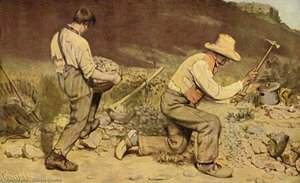
- “Los Pedreros” (1849): Esta obra maestra temprana, aunque lamentablemente destruida durante la Segunda Guerra Mundial, ejemplificó el compromiso de Courbet para representar las duras realidades de la vida de la clase trabajadora.
- “El Funeral en Ornans” (1850): Un lienzo monumental que desafió las nociones convencionales de la pintura histórica al retratar un funeral provincial con un realismo inquebrantable.
- “El Estudio del Pintor” (1855): Una obra alegórica que refleja la filosofía artística de Courbet y su compromiso con los problemas sociales contemporáneos.
- “Vista en el Bosque de Fontainebleau” (1855): Demuestra su habilidad en la pintura de paisajes, capturando la belleza natural del bosque mientras mantiene un enfoque realista.
- Su participación en el Salón des Refusés en 1863, mostrando obras rechazadas por el Salón oficial, consolidó aún más su reputación como artista rebelde.
Influencias y Legado
- Si bien rechazaba las tradiciones académicas, Courbet fue influenciado por maestros anteriores como Caravaggio por su realismo dramático y el uso de la luz y la sombra.
- Tuvo un impacto profundo en los movimientos artísticos posteriores, particularmente Impresionismo y Postimpresionismo, al liberar a los artistas de las limitaciones de la representación tradicional.
- Su énfasis en el comentario social allanó el camino para artistas posteriores comprometidos socialmente.
- El legado de Courbet se extiende más allá de sus pinturas; fue un defensor vocal de la libertad artística y el cambio político.
Significado Histórico
- Gustave Courbet desempeñó un papel fundamental en el desarrollo del Realismo como una fuerza dominante en el arte del siglo XIX.
- Su obra desafió las normas establecidas e inició un debate sobre el propósito y la función del arte en la sociedad.
- Participó activamente en los tumultos políticos de su tiempo, incluida la Comuna de París de 1871, lo que llevó a un período de exilio en Suiza.
- Courbet falleció el 29 de abril de 1877, dejando atrás un cuerpo de trabajo que continúa inspirando y provocando al público actual.

Gustave Courbet
1819 - 1877 , Francia
Datos clave
- Artistas Influenciados Por Este Artista:
- Impresionismo
- Postimpresionismo
- Artistas Que Influyeron:
- Eugène Delacroix
- Théodore Géricault
- Caravaggio
- Fecha De Muerte: 29 de abril de 1877
- Fecha De Nacimiento: 31 de julio de 1819
- Lugar De Nacimiento: Orleans, Francia
- Movimiento Artístico: Realismo
- Nacionalidad: Francés
- Nombre Completo: Gustave Courbet
- Obras Notables:
- Los Pedreros
- Un entierro en Ornans
- El Estudio del Pintor
- Vista en el Bosque de Fontainebleau
- El Origen del Mundo
Artículos relacionados
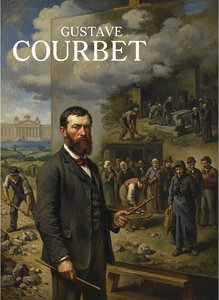
Gustave Courbet: Realism's Revolutionary Vision & the Social Canvas of 19th-Century France
Explore the revolutionary art of Gustave Courbet, pioneer of Realism. Discover his iconic paintings, social commentary, and lasting impact on 19th-century French art history. Expert analysis & insights.
Realismo en el Arte: 10 Obras Maestras que Cambiaron la Historia |
Descubre 10 obras maestras del Realismo que revolucionaron el arte. Explora la historia de Courbet, Millet y otros pintores realistas. Encuentra reproducciones de alta calidad para decorar tu hogar con

10 Obras Maestras del Realismo Romántico que Debes Conocer
Explora la emoción y el detalle del Realismo Romántico. Un viaje por 10 obras maestras que capturan la esencia humana con técnica y alma. Encuentra inspiración y reproducciones de calidad museo para tu hogar en OriginalUniqueArt.com. ¡Descubre toda la colección online!

Echoes of Rural Life: Nostalgia, Labor & Identity in Art History
Explore the rich history of rural life in art! Discover how Realism captured labor & identity through masterpieces by Van Gogh, Millet & more. Expert analysis for collectors and enthusiasts.

Jean-François Millet: Realism, Rural Life & the Poetic Depiction of Labor
Explore the life & work of Jean-François Millet, a founder of Realism. Discover his poignant depictions of rural France, iconic paintings like 'The Angelus,' and lasting influence on art history. Learn more at OriginalUniqueArt.