Ver en contexto
 Enviar
 Compartir
 Detalles
 Guía
Guía

 Descargar
 Similares
 Radiografía
 Presentación de diapositivas
 Preguntas y respuestas
 Estadísticas
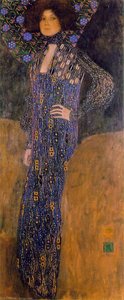
Water Serpents I

 Ver más
Giclée / Impresión de arte
Impresiones giclée o en lienzo de calidad de museo con producción rápida y opciones de acabado flexibles. ( Comprar pintura hecha a mano Cambiar a imagen digital)




P118B €10

P118H €10

P118W €10

P438Z €10

P508JH €12

P508YH €12

P805H €10

P805Z €10

P919BZ €10

P919G €10

P919XJ €10

P959ZH €10

P968JZ €12

W106C €8

W218G €10

W218JH €8

W218Y €10

W307PJ €10

W316G €10

W316PJ €8

W316Y €10

W398PJ €8

W4111J €10

W500HY €15

W500JH €15

W692G €12

W849H €8

W940BG €15

W953PJ €8




Elija entre nuestros tamaños predefinidos que respetan las proporciones originales de la obra.

Introduzca el ancho y el alto que necesite para adaptarse a su marco o pared. Una impresión solo puede recortarse, nunca hacerse más grande que la imagen original, por lo que un tamaño con una forma distinta perderá parte de la obra. Le enviaremos una maqueta digital para su aprobación antes de realizar cualquier impresión. La imagen que se muestra en esta página no refleja el recorte real; solo la maqueta lo hace.
Envío a todo el mundo () en 2 semanas en lugar de las 4/5 semanas estándar. (8 noviembre)

Envío exprés gratuito a todo el mundo

Lienzo de lino de alta calidad

Seguro de envío total

Garantía de reembolso de aranceles aduaneros

Garantía de fidelidad cromática exacta

Política de devolución de 100 días (solo por defectos)

Garantía de devolución del 100% del dinero

Descuento por cantidad
 La opción de vidrio solo está disponible en tamaños inferiores a 110 cm.

Water Serpents I
Giclée / Impresión de arte
Dimensiones de la reproducción
-


Precio total final
€ 72
A Dance of Serpents and Gold: Exploring Gustav Klimt’s Water Serpents I
Gustav Klimt, born July 14, 1862, in Baumgarten near Vienna, emerged from a family marked by both artistic inclination and financial hardship. His father, Ernst Klimt, was a gold engraver—a profession that instilled in young Gustav an enduring fascination with the shimmering allure of gold leaf and the meticulous precision required to achieve its breathtaking beauty. Frequent relocations within Vienna shaped his formative years, fostering a keen observational eye and cultivating a sensitivity to human emotion – qualities that would become cornerstones of Klimt’s artistic vision. Already demonstrating exceptional drawing skills as a child, he pursued formal training at the Vienna Kunstgewerbeschule under Ferdinand Laufberger, gaining a foundational understanding of architectural painting alongside exposure to the dominant academic styles of his time.- Style: Klimt's Water Serpents I exemplifies Art Nouveau’s opulent aesthetic, characterized by flowing lines, organic motifs, and decorative embellishments. It rejects rigid formalism in favor of sensual curves and intricate patterns—a deliberate departure from the austere conventions of earlier artistic movements.
- Technique: Employing oil paint on canvas, Klimt utilized a layering technique known as cloisonné enamel, incorporating gold leaf to create luminous surfaces and heighten textural richness. This painstaking process resulted in an image that radiates warmth and depth—a testament to Klimt’s mastery of artistic craft.
Historical Context: Vienna Secession and Artistic Rebellion
Created between 1904 and 1907, Water Serpents I arose from the crucible of Vienna Secession – a movement spearheaded by Klimt himself and fellow artists who challenged the conservative artistic establishment. Rejecting academic traditions, Secession championed individualism and experimentation, advocating for a bold new vision of art that prioritized emotional expression over mere imitation. This rebellious spirit permeated Klimt’s oeuvre, informing his exploration of themes related to mythology, sexuality, and spirituality.Symbolism Unveiled: Serpents, Femininity, and Eternal Cycles
The painting's symbolism is rich and multilayered. The intertwined serpents represent duality—life and death, masculine and feminine—a recurring motif in Klimt’s work reflecting his interest in Jungian psychology. Surrounding a central female figure draped in flowing robes, the serpents symbolize fertility and regeneration, mirroring the cyclical nature of existence. The pervasive gold leaf serves as a visual metaphor for divinity and immortality, elevating the artwork beyond mere representation into a realm of spiritual contemplation.Emotional Resonance: Capturing Beauty’s Fragility
Water Serpents I transcends its formal elements to evoke profound emotional resonance. Klimt's masterful manipulation of color—primarily browns, blacks, and shimmering gold—creates an atmosphere of mystery and enchantment. The painting invites viewers into a contemplative space where beauty is juxtaposed with vulnerability, prompting reflection on themes of desire, transformation, and the enduring power of artistic vision. It remains a captivating testament to Klimt’s genius and a cornerstone of Symbolist art.Preguntas y respuestas
¿A qué se debe la situación de los derechos de autor de "Water Serpents I" de Gustav Klimt?
El estado de los derechos de autor de "Water Serpents I" - en el dominio público: sus derechos de autor han expirado - se determina a partir del fallecimiento del artista en 1918.
¿Qué sentimiento transmite "Water Serpents I"?
"Water Serpents I" de Gustav Klimt transmite un tono emocional Misterioso.
¿Dónde puedo comprar una reproducción pintada a mano de "Water Serpents I" de Gustav Klimt?
Las reproducciones pintadas a mano de "Water Serpents I" de Gustav Klimt están disponibles en este sitio web: una reproducción al óleo pintada a mano sobre lienzo de lino, y pueden solicitarse a través de su página de Reproducción al óleo pintada a mano.
Biografía del artista
Gustav Klimt: Vida, Arte y Legado
Primeros Años y Educación (1862-1883)
- Nacido el 14 de julio de 1862 en Baumgarten, cerca de Viena, Austria.
- Hijo de Ernst Klimt, grabador de oro, y Anna Finster. Su familia enfrentó dificultades financieras, lo que provocó mudanzas frecuentes dentro de Viena.
- Talento Temprano: Demostró habilidades de dibujo precoces fomentadas por la profesión de su padre y las inclinaciones artísticas familiares.
- Se matriculó en la Escuela de Artes Aplicadas de Viena (Kunstgewerbeschule) en 1876, estudiando pintura arquitectónica bajo Ferdinand Laufberger. Esto proporcionó una sólida formación técnica pero también le expuso a estilos académicos tradicionales.
- En 1877, formó la “Compañía de Artistas” con su hermano Ernst y Franz von Matsch, obteniendo encargos para murales y techos decorativos.
La Compañía de Artistas y Éxito Temprano (1883-1900)
- Continuó trabajando con la “Compañía de Artistas” después de dejar la Kunstgewerbeschule, ganando reconocimiento por proyectos decorativos como murales en el teatro municipal de Karlsbad y escaleras del Burgtheater de Viena.
- Contribuyó a las decoraciones del Museo Histórico de Viena, demostrando competencia técnica pero insinuando un deseo de romper con las limitaciones artísticas.
El Techo de la Universidad de Viena y Controversia (1900)
- Recibió una prestigiosa comisión alrededor de 1900 para pintar murales en el techo del Gran Salón de la Universidad de Viena, representando Filosofía, Derecho y Teología.
- Obras Controversiales: Los murales, particularmente *Filosofía*, fueron considerados provocativos e incluso pornográficos por los críticos, lo que provocó indignación pública.
- Klimt rechazó futuros encargos públicos tras la controversia, marcando un punto de inflexión en su carrera.
La “Fase Dorada” y Madurez Artística (1901-1918)
- Entró en su “fase dorada”, caracterizada por un uso lujoso del dorado inspirado en los mosaicos bizantinos y los manuscritos iluminados medievales.
- Obras Clave: *El Beso* (1907-1908) ejemplifica el estilo opulento y la riqueza simbólica de esta época.
- *Retratos:* Los retratos como *Retrato de Adele Bloch-Bauer I* (1907) se volvieron muy solicitados, mostrando su capacidad para captar tanto la semejanza física como la profundidad psicológica.
- Integraba cada vez más elementos decorativos en las composiciones, difuminando los límites entre pintura y ornamentación.
Influencias y Estilo Artístico
- Hans Makart: Admiración temprana por el pintor de historia líder de Viena influyó en su formación académica inicial.
- Arte Japonés (Japonismo): Profundamente influenciado por las estampas japonesas, particularmente su perspectiva aplastada, patrones decorativos y énfasis en la línea.
- Arte Bizantino: El uso del dorado y la ornamentación rica en los mosaicos bizantinos impactó profundamente en su “fase dorada.”
- Características del Estilo: Una mezcla única de Simbolismo, Art Nouveau y elementos decorativos; colores audaces, patrones intrincados y representaciones sensuales de la forma femenina.
Años Posteriores y Legado (1918)
- Continuó pintando prolíficamente hasta su muerte el 6 de febrero de 1918, debido a un derrame cerebral.
- Sus obras posteriores exploraron formas más abstractas y paisajes, demostrando una evolución artística continua.
- Significado Histórico: Reconocido como uno de los personajes más importantes de la historia del arte austriaca y un exponente líder del Secesionismo Vienés. Sus pinturas alcanzan precios altos en subastas, y su influencia se ve en el arte y el diseño contemporáneos.
- El Museo Histórico de Viena alberga una colección significativa de sus obras, asegurando que su legado continúe inspirando.

Gustav Klimt
1862 - 1918 , Austria
Datos clave
- Artistas Que Influyeron: ['Hans Makart']
- Fecha De Muerte: 6 de febrero de 1918
- Fecha De Nacimiento: 14 de julio de 1862
- Influenciado A: ['Egon Schiele']
- Lugar De Nacimiento: Baumgarten, Austria
- Movimiento Artístico: Simbolismo, Art Nouveau
- Nacionalidad: Austriaco
- Nombre Completo: Gustav Klimt
- Obras Notables:
- El Beso
- Adele Bloch-Bauer I
Artículos relacionados

Brillo Eterno: El Poder del Pan de Oro en el Arte Bizantino y Renacentista
Descubre el simbolismo y la técnica del pan de oro en el arte bizantino y renacentista. Explora este legado de luz y maestría ahora.

Obras Maestras de Gustav Klimt: Las 25 Pinturas más Icónicas y Doradas
Explora las 25 obras maestras de Gustav Klimt y su brillo dorado. Descubre este tesoro del Art Nouveau en OriginalUniqueArt.com.
La Alquimia del Pan de Oro: El Legado de la Luz Sagrada en el Arte Bizantino y Renacentista
Descubre la maestría técnica del pan de oro desde el arte bizantino al Renacimiento. Explora este legado de luz y devoción ahora.
Golden Splendor: An Editorial Journey Through Art's Most Radiant Masterpieces
Embark on a visual journey through the world's most radiant masterpieces. Discover how gold leaf, impasto textures, and gilded tones define luxury in fine art, from Byzantine icons to modern abstracts. Explore the eternal allure of gold in curated, museum-quality art collections.
The Allure of Gold in Art History: Symbolism, Technique & Cultural Significance
Explore the rich history of gold in art! Discover symbolism, techniques & cultural significance from ancient civilizations to Klimt's masterpieces. Expert insights for collectors at OriginalUniqueArt.