Symbolism · 1896
Junius (Gustav Klimt, 1896)
Gustav Klimt (1862–1918) creó Junius. Data de 1896. Pertenece al movimiento Symbolism. Está realizado en Acrílico sobre lienzo. Sus dimensiones son 41 × 31 cm.
- 1896
- Acrílico sobre lienzo
- 41 × 31 cm

 Ver en contexto

 Óleo pintado a mano
 Enviar
 Compartir
 Ficha técnica


 Descargar
 Similares
 Radiografía
 Presentación de diapositivas
 Preguntas y respuestas

 Estadísticas
Junius en breve
- Título
- Junius
- Artista
- Gustav Klimt (1862–1918)
- Lugar de nacimiento del artista
- Baumgarten, Austria
- Fecha
- 1896
- Técnica
- Acrílico sobre lienzo
- Dimensiones
- 41 × 31 cm
- Movimiento
- Symbolism
- Tema
- allegories, crowns, reflection, symbolism, figures, medieval
¿Qué representa Junius?
Junius: A Symbolist Masterpiece Embodied in Chalk
Gustav Klimt’s “Junius,” created in 1896, stands as a cornerstone of Austrian Symbolism and Art Nouveau—a movement that sought to transcend mere representation and delve into the realm of psychological and spiritual significance. Measuring 41 x 31 cm, this chalk drawing isn't merely an image; it’s a carefully constructed visual poem brimming with intricate details and potent symbolism. Klimt, deeply influenced by Japanese aesthetics and fascinated by exploring the subconscious mind, crafted “Junius” as a profound meditation on human experience—a testament to his artistic vision during a transformative period in European art history.The Painting: A Glimpse into Symbolism
“Cite>Junius” exemplifies Klimt’s commitment to Symbolist principles. Unlike Impressionists who captured fleeting moments of light and color, Klimt aimed for something deeper—a depiction that communicates ideas and emotions rather than simply mirroring reality. The composition centers around two figures adorned with crowns, one gazing downwards in contemplation while the other appears to look upwards, suggesting a yearning for transcendence. This deliberate arrangement underscores Klimt’s preoccupation with spiritual themes and his desire to evoke feelings of awe and wonder within the viewer. The subtle shading and textural variations achieved through chalk contribute to the painting's ethereal quality—a characteristic hallmark of Symbolist art.Symbolic Elements
The crowns are undeniably the most striking visual element in “Junius.” Traditionally, crowns symbolize power, nobility, or divine authority – concepts Klimt skillfully employs to elevate the figures depicted. However, their downward gaze speaks volumes about introspection and contemplation. It’s as if the figure is grappling with existential questions—a reflection of the broader Symbolist preoccupation with exploring the inner landscape of consciousness. The artist's meticulous attention to detail extends beyond the crowns themselves; every line and contour contributes to the overall sense of mystery and symbolic resonance.Artistic Influences and Style
Klimt’s artistic journey was shaped by diverse influences, including Art Nouveau—a movement celebrated for its organic forms and flowing lines—and Japanese art, which captivated Klimt with its emphasis on asymmetry and flattened perspectives. “Junius” seamlessly blends these stylistic elements, resulting in a visual language that is both aesthetically pleasing and intellectually stimulating. Klimt’s masterful technique—characterized by the use of chalk to achieve remarkable tonal gradations—further enhances the painting's expressive power. The textured surface invites viewers to linger on its subtleties, fostering a connection with the artwork's emotional core.Relevance in Modern Times
Despite being created over a century ago, “Junius” retains an enduring relevance today because it speaks to universal human concerns—questions of identity, spirituality, and contemplation. Klimt’s exploration of psychological depth continues to inspire artists and art enthusiasts alike—serving as a reminder that great art transcends time and culture. Its quiet grandeur and evocative symbolism resonate with contemporary audiences who appreciate works that provoke thought and emotion.Preservation and Display
“Junius” is proudly housed in The Museum Georg Schäfer in Germany—an institution dedicated to safeguarding artistic heritage for future generations. The museum’s careful curation ensures that visitors can experience Klimt's masterpiece firsthand—a crucial step in preserving the legacy of Symbolism and Art Nouveau. Experience the beauty of art with OriginalUniqueArt.com's handmade oil painting reproductions.Imágenes en alta resolución de Junius

Gustav Klimt, Junius (1896). Dominio público
Preguntas sobre Junius respondidas
¿En qué año se creó "Junius"?
"Junius" data de 1896. Esta fecha sitúa la obra dentro de la trayectoria de Gustav Klimt y de su época.
¿Con qué técnica se realizó "Junius"?
La técnica de "Junius" de Gustav Klimt es Acrílico sobre lienzo. Las reproducciones pretenden recrear la apariencia de esta técnica.
¿Cuáles son las dimensiones reales de "Junius" de Gustav Klimt?
Las dimensiones registradas de "Junius" de Gustav Klimt son 41 x 31 cm. Se pueden solicitar reproducciones en otros tamaños manteniendo las mismas proporciones.
¿Qué representa "Junius"?
Los temas presentes en "Junius" de Gustav Klimt incluyen allegories, crowns, reflection, symbolism, figures, medieval, ornament, los cuales resumen la temática de la obra.
¿Se puede reproducir libremente la imagen de "Junius" de Gustav Klimt?
En cuanto a los derechos de autor, "Junius" es en el dominio público: sus derechos de autor han expirado.
¿Quién es el artista detrás de "Junius"?
El artista detrás de "Junius" es Gustav Klimt. La obra está catalogada bajo el nombre de Gustav Klimt.
¿A qué movimiento artístico pertenece "Junius" de Gustav Klimt?
El movimiento asociado con "Junius" de Gustav Klimt es Symbolism. Esta clasificación sitúa la obra entre artistas y obras relacionadas.
¿A qué etapa de la trayectoria de Gustav Klimt pertenece "Junius"?
"Junius" pertenece al Mature Period de la trayectoria de Gustav Klimt. Esta clasificación vincula la obra con el desarrollo del artista.
¿Qué edad tenía Gustav Klimt cuando creó "Junius" en 1896?
Gustav Klimt creó "Junius" a la edad de 34. El artista nació en 1862 y la obra data de 1896.
Sobre el artista, Gustav Klimt

1862–1918, Austria
Gustav Klimt
Primeros años, familia y formación En el pequeño pueblo de Baumgarten, cerca de Viena, Gustav Klimt nació en un mundo donde el destello de los metales era una presencia constante. Su padre, Ernst Klimt, dedicaba sus días al oficio de grabador de oro, un arte que exigía una mano firme y una mirada puesta en los detalles más minuciosos. Esta intimidad temprana con los metales preciosos y la precisión del grabado acabarían filtrándose en el alma misma de sus composiciones posteriores. Sin embargo, la vida no siempre fue una cuestión de brillo y comodidad.
Otras obras de Gustav Klimt
 El beso1908
 Retrato de Adele Bloch-Bauer I1907
 Judith1901
 Retrato de la Condesa Elisabeth Bachofen-Echt1916

Ensayos sobre Junius
 Obras Maestras de los Habsburgo: 25 Tesoros Imprescindibles de la Albertina en VienaExplora 25 joyas de la Albertina, desde Klimt hasta Dürer. Encuentra reproducciones de museo en OriginalUniqueArt.com.
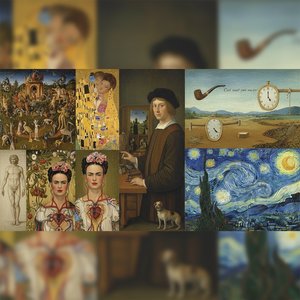 Simbolismo en el Arte: 10 Obras Maestras para Inspirar tu HogarDescubre 10 obras maestras del Simbolismo, desde Klimt hasta Munch. Explora el significado oculto de sus símbolos y colores en OriginalUniq…
 Esplendor Dorado: Las 25 Obras Maestras más Icónicas de Gustav KlimtSumérgete en el esplendor dorado de Gustav Klimt. Explora las 25 obras maestras de la Secesión de Viena y descubre la magia del Art Nouveau…