
 Vista previa
 Compartir
 Compartir
 Ver detalles
 Guía
Guía

 Descargar
 Ver artículos similares
 Radiografía
 Presentación de diapositivas
 Estadísticas
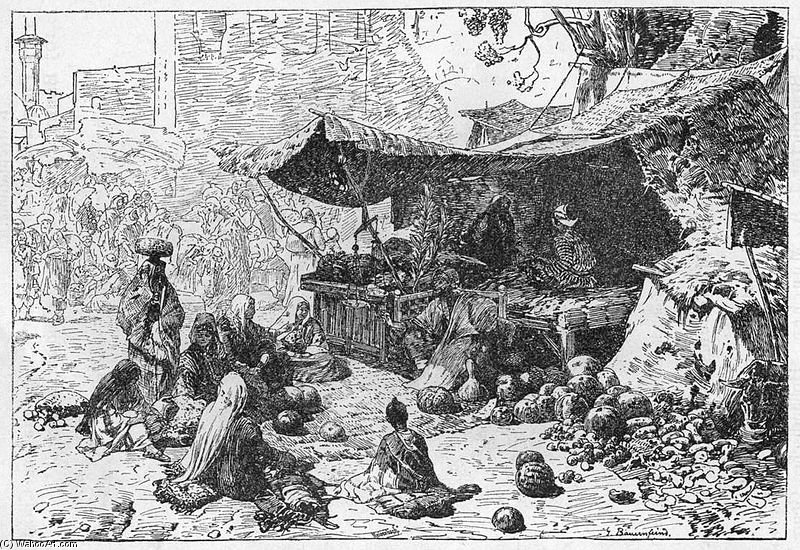
Markt In Jaffa
 Leer más
Giclée / Impresión de arte
Impresiones giclée o en lienzo de calidad de museo con producción rápida y opciones de acabado flexibles. ( Encargar reproducción pintada a mano Ver versión en imagen digital)




































Elija entre nuestros tamaños predefinidos que respetan las proporciones originales de la obra.

Puede introducir sus propias dimensiones para adaptarse a un marco o espacio específico. Si el tamaño seleccionado no coincide con las proporciones de la imagen original, recortaremos la obra de arte o extenderemos la imagen con un borde con efecto espejo o de color sólido. Se enviará una maqueta digital para su aprobación antes de que comience la producción.
Tenga en cuenta que la vista previa en pantalla no refleja el recorte o la extensión real. Solo la maqueta mostrará con precisión la composición final.
Aunque existen tamaños personalizados, recomendamos seleccionar una dimensión de la lista predefinida para preservar las proporciones originales.
Envío a todo el mundo () en 2 semanas en lugar de las 4/5 semanas estándar. (26 septiembre)

Envío exprés gratuito a todo el mundo

Lienzo de lino de alta calidad

Seguro de envío completo

Garantía de reembolso de impuestos aduaneros

Garantía de fidelidad cromática exacta

Política de devolución de 100 días (solo por defectos)

Garantía de devolución del 100% del dinero

Oferta por volumen
 La opción de vidrio solo está disponible en tamaños inferiores a 110 cm.

Markt In Jaffa
Giclée / Impresión de arte
Tamaño de la reproducción
-


Precio total
$ 80
Biografía del artista
El Pintor de los Paisajes de la Tierra Santa
Gustav Bauernfeind (1848-1904) se erige como una figura fundamental en la pintura orientalista alemana, reconocido por sus meticulosas representaciones de Jerusalén y los paisajes más amplios de Palestina a finales del siglo XIX. Su obra trasciende la mera precisión topográfica; encarna un profundo compromiso con los temas bíblicos y un dominio magistral de la técnica artística, características que consolidaron su reputación como uno de los artistas más celebrados de su época. Nacido en Sulz am Neckar, Alemania, el viaje artístico de Bauernfeind comenzó bajo influencias familiares arraigadas en la herencia judía, lo que moldeó su visión del mundo e informó sutilmente su visión creativa.
Los años formativos de Bauernfeind estuvieron marcados por una dedicación a los estudios arquitectónicos en el Instituto Politécnico de Stuttgart. Esta base en los principios del diseño resultaría invaluable mientras se formaba como aprendiz bajo la tutela de Wilhelm Bäumer y Adolph Gnauth, perfeccionando sus habilidades junto a otros artesanos, una asociación que fomentó no solo la competencia técnica, sino también un aprecio por la observación detallada y la representación artística. Inicialmente, los lienzos de Bauernfeind exploraron paisajes alemanes familiares, como las vistas de los Alpes bávaros y las serenas escenas del río Rin, estableciendo un estilo fundacional caracterizado por el realismo y la sutileza tonal. Sin embargo, la experiencia transformadora de su expedición al Levante entre 1880 y 1882 encendió una pasión por Oriente que dominaría sus posteriores esfuerzos artísticos.
Un Viaje a Través del Levante
La peregrinación a Palestina alteró irrevocablemente la trayectoria artística de Bauernfeind. Regresó repetidamente a Jerusalén y al Líbano, sumergiéndose en las vistas y sonidos de la vida de Oriente Medio, una fascinación reflejada en sus composiciones cada vez más ambiciosas. A diferencia de sus obras tempranas, que priorizaban paisajes serenos, las pinturas tardías de Bauernfeind capturaron la energía bulliciosa de los mercados, las procesiones religiosas y la grandeza arquitectónica. Su capacidad para traducir las piedras sagradas de Jerusalén en un arte emocionalmente resonante le permitió tender un puente entre el mundo físico y la devoción espiritual.
En sus obras más celebradas, como La Puerta de la Gran Mezquita Omeya, Bauernfeind emplea una paleta de cálidos amarillos ocre, rojos terracota y marrones terrosos. Estos tonos bañados por el sol reflejan el paisaje desértico, otorgando un aire de autenticidad a sus escenas. A través de pinceladas sueltas y expresivas, transmite el movimiento de las multitudes que se empujan y las conversaciones animadas, creando una sensación palpable de inmediatez. Su maestría se observa a menudo en la forma en que dirige la mirada del espectador hacia cúpulas imponentes o murallas antiguas, simbolizando la fe y la belleza atemporal mediante una composición piramétrica.
Legado y Significado Artístico
Más allá de su habilidad técnica como pintor, Bauernfeind fue también un talentoso ilustrador y arquitecto, una versatilidad que le permitió capturar la esencia estructural de las ciudades que visitó. Su legado se define por varias contribuciones clave al movimiento orientalista:
- Precisión Arquitectónica: Su formación en Stuttgart le permitió representar los intrincados detalles de la arquitectura de Oriente Medio con una exactitud sin parangón.
- Documentación Cultural: Sus obras sirven como un registro visual vital de la vida en el siglo XIX en Jerusalén, Jaffa y Marruecos.
- Profundidad Emocional: Fue más allá del simple exotismo para capturar la atmósfera espiritual y la importancia religiosa de la Tierra Santa.
En última instancia, Gustav Bauernfeind sigue siendo una figura esencial para quienes buscan comprender la intersección entre el realismo alemán y la fascinación orientalista. Su vida, que concluyó en Jerusalén en 1904, fue un testimonio de su devoción de por vida a los paisajes que cautivaron su alma, dejando tras de sí un cuerpo de obra que continúa transportando a los espectadores a una era vibrante y pasada.

Gustav Bauernfeind
1848 - 1904 , Alemania
Datos clave
- Artistic Movement Or Style: Orientalismo
- Artists Who Influenced This Artist:
- Wilhelm Bäumer
- Adolph Gnauth
- Date Of Birth: 4 septiembre 1848
- Date Of Death: 24 diciembre 1904
- Full Name: Gustav Bauernfeind
- Nationality: Alemania
- Notable Artworks:
- La Muralla Lamentosa
- Puerto de Jaffa
- Place Of Birth: Sulz am Neckar, Alemania