Vista previa
 Compartir
 Compartir
 Ver detalles
 Guía
Guía

 Descargar
 Ver artículos similares
 Radiografía
 Presentación de diapositivas
 Estadísticas
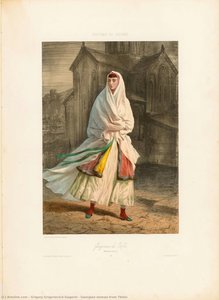
Guerrero Circasso
 Acrílico sobre lienzo
- Arte de pared
- Romantic Realism
 1855
1855 59.0 x 42.0 cm
 Palacio de Arte de Georgia – Museo de Historia Cultural
 Leer más
Giclée / Impresión de arte
Impresiones giclée o en lienzo de calidad de museo con producción rápida y opciones de acabado flexibles. ( Encargar reproducción pintada a mano Ver versión en imagen digital)




P118B $10

P118H $10

P118W $10

P438Z $10

P508JH $12

P508YH $12

P805H $10

P805Z $10

P919BZ $10

P919G $10

P919XJ $10

P959ZH $10

P968JZ $12

W106C $8

W218G $10

W218JH $8

W218Y $10

W307PJ $10

W316G $10

W316PJ $8

W316Y $10

W398PJ $8

W4111J $10

W500HY $15

W500JH $15

W692G $12

W849H $8

W940BG $15

W953PJ $8




Elija entre nuestros tamaños predefinidos que respetan las proporciones originales de la obra.

Puede introducir sus propias dimensiones para adaptarse a un marco o espacio específico. Si el tamaño seleccionado no coincide con las proporciones de la imagen original, recortaremos la obra de arte o extenderemos la imagen con un borde con efecto espejo o de color sólido. Se enviará una maqueta digital para su aprobación antes de que comience la producción.
Tenga en cuenta que la vista previa en pantalla no refleja el recorte o la extensión real. Solo la maqueta mostrará con precisión la composición final.
Aunque existen tamaños personalizados, recomendamos seleccionar una dimensión de la lista predefinida para preservar las proporciones originales.
Envío a todo el mundo () en 2 semanas en lugar de las 4/5 semanas estándar. (27 septiembre)

Envío exprés gratuito a todo el mundo

Lienzo de lino de alta calidad

Seguro de envío completo

Garantía de reembolso de impuestos aduaneros

Garantía de fidelidad cromática exacta

Política de devolución de 100 días (solo por defectos)

Garantía de devolución del 100% del dinero

Oferta por volumen
 La opción de vidrio solo está disponible en tamaños inferiores a 110 cm.

Guerrero Circasso
Giclée / Impresión de arte
Tamaño de la reproducción
-


Precio total
$ 80
Circassian Warrior: A Vision of Caucasus Captured in Watercolor
Grigory Gagarin’s “Circassian Warrior” stands as a remarkable testament to 19th-century Russian art and its fascination with the exotic landscapes and peoples of the Caucasus region. Painted in 1855, this watercolor depicts a Circassian chieftain—a warrior from the mountainous kingdom of Circassia—standing defiantly against a backdrop of arid desert terrain.
- Subject Matter: The painting focuses on a single figure – a Circassian warrior – embodying strength and resilience. Accompanying him are several other individuals, likely fellow warriors, conveying a scene of active engagement or ceremonial gathering.
- Style & Technique: Gagarin employed a masterful watercolor technique characterized by delicate washes and subtle gradations of color. The artist skillfully captured the textures of clothing and skin, creating an impressionistic portrayal that prioritizes atmosphere over precise detail. This approach aligns with the broader artistic trends of the era, emphasizing emotional expression alongside observational accuracy.
- Historical Context: Gagarin’s work emerged during a period of intense Russian imperial expansion into Caucasus territories. The Circassians were resisting Russian encroachment, and Gagarin's depiction reflects this dynamic tension between power and defiance. It’s important to note that the painting was created shortly after Duma’s visit to Tbilisi, highlighting the city’s cultural significance as a center for artistic patronage and exploration.
- Symbolism: The Circassian warrior’s posture—firmly planted on the desert sands—symbolizes unwavering determination and resistance against oppression. His weapon—a sword—represents power and protection, while the staff signifies leadership and authority. These elements contribute to a narrative of courage and nobility rooted in Circassian tradition.
- Emotional Impact: “Circassian Warrior” evokes feelings of grandeur, solemnity, and contemplation. The artist’s use of color—primarily earthy tones—creates an immersive experience that transports the viewer to the rugged beauty of the Caucasus Mountains. It serves as a poignant reminder of a bygone era and celebrates the artistic legacy of Grigory Gagarin.
This striking watercolor reproduction offers collectors and interior designers alike a captivating glimpse into Russian Romanticism—a movement devoted to capturing sublime landscapes and portraying heroic figures with profound emotional resonance.
Biografía del artista
Early Life and Education
Grigory Grigorievich Gagarin (1810 – 1893), a Russian painter, major general, and administrator, was born in Saint Petersburg to the noble Rurikid princely Gagarin family. His father, Prince Grigory Ivanovich Gagarin (Saint Petersburg, March 29 April 1782 – Tegernsee, February 12 1837), served as a Russian diplomat in France and later as ambassador to Italy. Despite lacking formal artistic training, Gagarin received instruction from Karl Briullov, a celebrated Russian painter who resided in Italy during his formative years. This mentorship profoundly shaped his artistic sensibilities and established him on the path toward mastering the techniques of Romantic painting.Artistic Career and Notable Works
Gagarin’s artistic career flourished alongside his involvement in literary circles, notably collaborating with Alexander Pushkin and Mikhail Lermontov. He meticulously illustrated Pushkin's masterpieces— “The Queen of Spades” and “The Tale of Tsar Saltan”—capturing the essence of Romantic drama and poetic vision. Among his most enduring achievements are portraits depicting Caucasian peoples: "Caucasian Prince" (59 x 42 cm) and "Circassian Woman" (59 x 42 cm), commissioned by the Georgian Art Palace, which exemplify his dedication to documenting regional cultures with artistic precision. Furthermore, Gagarin’s depictions of Armenian priests ("A Priest from Armenia") and Kurds from Ararat (“Kurds from Ararat”) showcase his ability to convey nuanced expressions of human emotion and cultural identity. His portrait “Georgian Man” (59 x 42 cm) stands as a testament to his skill in portraying individual character with sensitivity and artistic finesse.Military Service and Diplomatic Engagement
Beyond his artistic pursuits, Gagarin distinguished himself as a military officer and diplomat. He served as ambassador to Paris, Rome, and Constantinople, demonstrating unwavering commitment to Russia’s interests on the international stage. His tenure in Munich further broadened his horizons and exposed him to diverse cultural influences. Notably, he participated in the Crimean War, producing numerous watercolors that documented the realities of conflict while simultaneously reflecting his artistic vision. Gagarin's diplomatic career underscored his intellectual curiosity and his ability to navigate complex political landscapes with grace and erudition.Legacy and Recognition
Grigory Gagarin’s contribution to Russian art and culture remains significant. His paintings—particularly those portraying Caucasian peoples—offer invaluable insights into the Romantic era’s fascination with exotic locales and ethnographic observation. He is remembered as a multifaceted figure who seamlessly blended artistic creativity with scholarly pursuits and public service, leaving an indelible mark on 19th-century Russia. His works are housed in prominent museums across Europe and Russia, ensuring that his artistic legacy continues to inspire admiration and study for generations to come.
Grigori Gagarin
1810 - 1893 , Rusia
Datos clave
- Artistic Movement Or Style: Romanticismo
- Artists Who Influenced This Artist: ['Karl Briullov']
- Date Of Birth: Mayo 29 abril 1810
- Date Of Death: Enero 30 enero 1893
- Full Name: Grigory Grigorievich Gagarin
- Nationality: Ruso
- Notable Artworks:
- El príncipe Caucaso
- La mujer Circassia
- Un sacerdote Armenia
- Kurdo Ararat
- Hombre Georgio
- Place Of Birth: San Petersburgo, Rusia
Artículos relacionados

Vladimir Makovsky: Realism, Social Commentary & Russian Life in Late 19th-Century Painting
Explore the captivating world of Vladimir Makovsky, a leading Russian realist painter. Discover his insightful depictions of 19th-century life, social commentary & legacy with OriginalUniqueArt.

Ivan Bilibin: A Synthesis of Folklore, Modernism & National Identity in Russian Illustration
Explore the enchanting world of Ivan Bilibin, a master Russian illustrator who synthesized folklore, Art Nouveau & national identity. Discover his iconic fairy tale illustrations and legacy with OriginalUniqueArt.

Victor Vasnetsov: Myth, Nationalism & the Revival of Russian Fairy Tale Painting
Explore the captivating world of Victor Vasnetsov, a co-founder of Russian folklorist painting. Discover his iconic works, influence on national identity, and lasting legacy in this expert guide.

Vasily Surikov: Historical Epic & Psychological Realism in 19th-Century Russian Painting
Explore the powerful historical paintings of Vasily Surikov, a leading figure of Russian Realism. Discover his dramatic compositions, psychological depth & lasting influence on 19th-century art. Learn about collecting Surikov's masterpieces.

El Siglo XIX en el Arte: 10 Obras Maestras para Decorar con Historia y Estilo
Descubre 10 obras maestras del siglo XIX: Monet, Goya y más. Explora el impresionismo, realismo y romanticismo que definieron una época. Encuentra reproducciones de arte exclusivas para decorar tu hogar con estilo en OriginalUniqueArt.com.