
 Ver en contexto
 Enviar
 Compartir
 Detalles

 Descargar
 Similares
 Radiografía
 Presentación de diapositivas
 Estadísticas
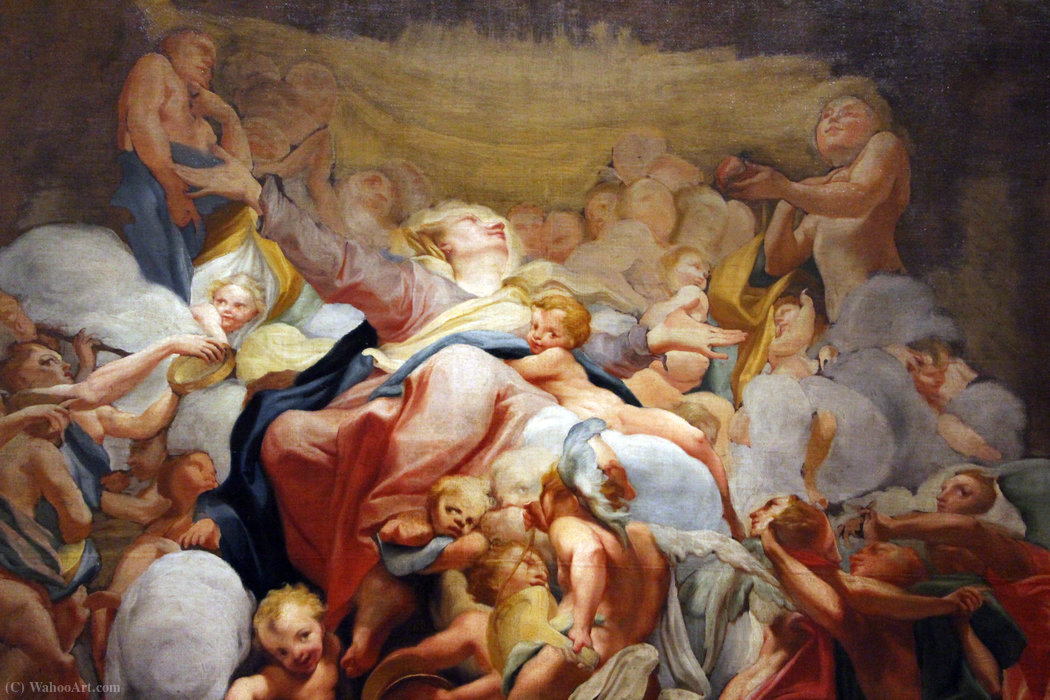
Assumption
 Ver más
Giclée / Impresión de arte
Impresiones giclée o en lienzo de calidad de museo con producción rápida y opciones de acabado flexibles. ( Comprar pintura hecha a mano Cambiar a imagen digital)




































Elija entre nuestros tamaños predefinidos que respetan las proporciones originales de la obra.

Puede introducir sus propias dimensiones para adaptarse a un marco o espacio específico. Si el tamaño seleccionado no coincide con las proporciones de la imagen original, recortaremos la obra de arte o extenderemos la imagen con un borde con efecto espejo o de color sólido. Se enviará una maqueta digital para su aprobación antes de que comience la producción.
Tenga en cuenta que la vista previa en pantalla no refleja el recorte o la extensión real. Solo la maqueta mostrará con precisión la composición final.
Aunque existen tamaños personalizados, recomendamos seleccionar una dimensión de la lista predefinida para preservar las proporciones originales.
Envío a todo el mundo () en 2 semanas en lugar de las 4/5 semanas estándar. (11 septiembre)

Envío exprés gratuito a todo el mundo

Lienzo de lino de alta calidad

Seguro de envío total

Garantía de reembolso de impuestos aduaneros

Garantía de fidelidad cromática exacta

Política de devolución de 100 días (solo por defectos)

Garantía de devolución del 100% del dinero

Descuento por cantidad
 La opción de vidrio solo está disponible en tamaños inferiores a 110 cm.

Assumption
Giclée / Impresión de arte
Dimensiones de la reproducción
-


Precio total final
$ 80
Biografía del artista
Una voz lírica del Barroco genovés
Gregorio De Ferrari se erige como una figura fundamental en el Barroco genovés, encarnando su distintiva mezcla de grandeza y delicado lirismo. Nacido en Porto Maurizio en 1647, su viaje artístico comenzó con la improbable búsqueda de los estudios de derecho. Sin embargo, el llamado del pincel resultó irresistible, llevándolo a abandonar los tribunales por el estudio. Esta transición fue guiada por la mentoría de Domenico Fiasella, un maestro cuyo estilo monumental dejó una huella indeleble en las primeras obras de De Ferrari. A través de este período formativo, el joven artista absorbió los ecos estilísticos de Giovanni Andrea De Ferrari y Giovanni Battista Casone, estableciendo los cimientos que eventualmente sostendrían una de las visiones más imaginativas del siglo XVII.
La evolución de la mano de De Ferrari se vio profundamente moldeada por su estancia en Parma. Inmerso en la atmósfera de la Catedral de Parma, encontró los impresionantes frescos de quadratura —el arte de la pintura ilusionista de techos— que habían sido pioneros gracias a Correggio. Este encuentro fue transformador; en lugar de simplemente imitar la escala imponente de Fiasación, De Ferrari comenzó a priorizar un lenguaje más personal y expresivo. Adoptó elongaciones elegantes y movimientos rítmicos y espiralados de las figuras, inspirándose en las innovaciones escultóricas de Filippo Parodi y Bernardo Schiaffino. Su obra comenzó a respirar con una nueva energía cinética, alejándose de las composiciones estáticas hacia una experiencia más fluida y atmosférica.
El dominio de la luz y el movimiento
Al regresar a Génova, De Ferrari se convirtió en un pilar central del estudio Casa Piola, trabajando junto a su suegro, el legendario Domenico Piola. Esta era de colaboración estuvo marcada por una producción extraordinaria de proyectos decorativos a gran escala que transformaron los interiores de palacios y churches genovesas. En obras como la decoración de la Basílica della Santissima Annunziata del Vastato, De Ferrari combinó magistralmente la luminiscencia radiante de Correggio con los sofisticados elementos estilísticos de Cortona y Castiglione. Su capacidad para tejer la luz a través de composiciones complejas y arremolinadas le permitió crear espacios que se sentían tanto infinitos como íntimamente vivos.
Su destreza técnica se extendió más allá del techo hasta el caballete, donde produjo obras de profunda profundidad mitológica y religiosa. Los ejemplos notables incluyen:
- Junio y Argos: Una cautivadora exhibición de tensión y drama clásico, actualmente albergada en el Musée du Museo del Louvre.
- Ascensión de Cristo: Una pieza evocadora que muestra su habilidad para manejar la luz divina y el movimiento celestial.
- Hércules y Antae: Un testimonio de su habilidad para representar la musculatura y el poder bruto de la lucha mítica.
La pincelada del artista se caracterizó por una cualidad libre y exploratoria que muchos historiadores ven como un precursor del estilo Rococó. Sus composiciones poseían a menudo una elegancia aérea y sin peso que llevó a un crítico a describirlo famosamente como "un Fragonard más grandioso", a pesar de que el maestro francés no nacería hasta décadas después de la muerte de De Ferrari. Este espíritu anticipatorio otorgó a su obra una cualidad temporal única, tendiendo un puente entre el drama pesado del Barroco pleno y la gracia alegre del siglo venidero.
Legado y trascendencia histórica
La importancia histórica de Gregorio De Ferrari reside en su capacidad para sintetizar las diversas influencias del paisaje italiano en un estilo singular e inconfundible. Él no solo participó en el Barroco genovés; lo elevó a un nivel de sofisticación poética que pocos podrían igualar. A través de sus prolíficas colaboraciones y su maestría tanto en el fresco como en el lienzo, dejó una impronta indeleble en el tejido arquitectónico de Génova, decorando hitos tales como el Palazzo Rosso, Villa Balbi y las iglesias de San Siro y San Giovanni Battista.
Su influencia también se extendió a la siguiente generación, notablemente a través de su hijo, Lorenzo De Ferrari, quien continuó la tradición familiar de excelencia. Como pintor, dibujante y arquitecto, el legado de Gregorio De Ferrari es uno de movimiento, luz y un sentido perdurable del asombro. Permanece como un maestro de lo efímero, capturando la belleza fugaz de una figura en espiral o de una nube bañada por el sol con una precisión que continúa cautivando al ojo moderno.

Gregorio De Ferrari
1647 - 1726 , Italia
Datos clave
- Artistic Movement Or Style: Barroco
- Artists Who Influenced This Artist:
- Giovanni Andrea De Ferrari
- Giovanni Battista Casone
- Correggio
- Date Of Birth: 1647
- Date Of Death: 1726
- Full Name: Gregorio De Ferrari
- Nationality: Italiano
- Notable Artworks:
- Juno y Argus
- Verano
- Heracles y Antaeus
- Place Of Birth: Porto Maurizio, Italia