Vista previa
 Compartir
 Compartir
 Ver detalles
 Guía
Guía

 Descargar
 Ver artículos similares
 Radiografía
 Presentación de diapositivas
 Estadísticas
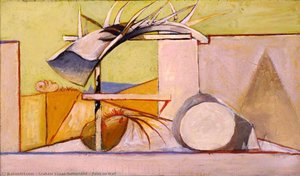
Tree Form
 Oil On Canvas
- WallArt
- Surrealism
 1941
1941 39.0 x 31.0 cm
 Galería de Arte de Leeds
 Leer más
La obra de arte que se muestra en esta página está protegida por las leyes de propiedad intelectual, lo que significa que no podemos crear ni vender legalmente una reproducción idéntica. Esta protección se hace cumplir en virtud de acuerdos internacionales como el Convenio de Berna y por las leyes nacionales, incluidas aquellas establecidas por el Ley de derechos de autor de los EE. UU. - Título 17.
Como una alternativa respetuosa y legal, ofrecemos obras de arte personalizadas y pintadas a mano inspiradas en la original. Nuestros expertos y profesionales del arte estudian cuidadosamente el estilo, el sentimiento y la esencia artística de la obra original para crear una pieza nueva y única que evoque la misma sensación, siendo al mismo tiempo una creación original por derecho propio.
Este método cumple plenamente con las normativas de derechos de autor, ya que no implica la copia ni la duplicación de la obra protegida. En su lugar, se trata de una reinterpretación creativa: una nueva pintura influenciada por la original, pero que no es idéntica a ella.
Reproducción al óleo hecha a mano
Óleo sobre lienzo pintado a mano en el tamaño y marco de su elección, realizado por encargo por nuestros artistas. ( Cambiar a formato impreso Ver versión en imagen digital)




P118B €10

P118H €10

P118W €10

P438Z €10

P508JH €12

P508YH €12

P805H €10

P805Z €10

P919BZ €10

P919G €10

P919XJ €10

P959ZH €10

P968JZ €12

W106C €8

W218G €10

W218JH €8

W218Y €10

W307PJ €10

W316G €10

W316PJ €8

W316Y €10

W398PJ €8

W4111J €10

W500HY €15

W500JH €15

W692G €12

W849H €8

W940BG €15

W953PJ €8




Elija entre nuestros tamaños predefinidos que respetan las proporciones originales de la obra.

Escriba el ancho y el alto que necesite para adaptarse a su marco o a su pared. Al ser una obra pintada a mano, para un tamaño con una forma distinta, el artista puede pintar un poco más alrededor de la imagen o recortar un poco; usted elige. Le enviaremos una maqueta digital para su aprobación antes de comenzar la pintura. La imagen que se muestra en esta página no refleja el resultado real; solo la maqueta lo hace.
Tras realizar el pedido, el equipo de OriginalUniqueArt.com enviará un correo electrónico al cliente para solicitar instrucciones y proporcionarle una vista previa del boceto.
Envío a todo el mundo () en 3-4 semanas en lugar de las 5 semanas estándar. (23 octubre). Sin comprometer la calidad.

Envío exprés gratuito a todo el mundo

Lienzo de lino de alta calidad

Seguro de envío completo

Garantía de reembolso de impuestos aduaneros

Garantía de fidelidad cromática exacta

Política de devolución de 100 días (solo por defectos)

Garantía de devolución del 100% del dinero

Oferta por volumen
 La opción de vidrio solo está disponible en tamaños inferiores a 110 cm.

Tree Form
Técnica de reproducción
Tamaño de la reproducción
-


Precio total
€ 264
A Descent into the Organic: Unveiling Graham Vivian Sutherland's "Tree Form"
Graham Vivian Sutherland’s 1941 painting, “Tree Form,” isn’t merely a depiction of a tree; it’s an immersion in primal emotion and a profound exploration of the natural world filtered through the lens of Surrealism. This arresting work, housed within a relatively modest 39 x 31 cm canvas, immediately commands attention with its unsettling yet captivating composition – a colossal, textured creature emerging from a void of deep indigo. It’s a piece that lingers in the mind long after viewing, prompting questions about instinct, vulnerability, and the hidden depths beneath the surface of our perception.
Sutherland, a master of translating the English landscape into intensely personal visions, was deeply influenced by the European avant-garde movements of his time. He wasn’t simply replicating what he saw; he was distilling it – stripping away the familiar and revealing something far more potent. The painting's roots lie in Sutherland’s lifelong fascination with Pembrokeshire, a rugged coastal region in Wales that provided him with an endless source of inspiration. This particular piece embodies his signature style: a masterful blend of meticulous observation and dreamlike abstraction. The work reflects the post-war mood of uncertainty and introspection, mirroring a generation grappling with the aftermath of conflict and searching for new ways to understand themselves and their world.
Decoding Texture and Form: A Study in Impasto
Technically, “Tree Form” is a testament to Sutherland’s remarkable skill. The dominant technique is oil paint applied with a generous hand, utilizing thick impasto – building up layers of pigment to create an incredibly tactile surface. The raised areas, the recessed pools, and the swirling patterns within the creature's scales aren’t merely decorative; they are integral to the painting’s emotional impact. The artist deliberately avoids precise detail, opting instead for a gestural approach that conveys movement and energy. Notice how the brushstrokes themselves seem to writhe and pulsate, mirroring the unsettling quality of the subject.
The color palette is predominantly dark – deep blues, greens, and violets dominate, punctuated by flashes of gold and teal. These colors aren’t used in a harmonious way; they clash and contrast, contributing to the painting's sense of unease. The limited use of brighter hues—particularly the gold—suggests a glimmer of hope or perhaps even a primal instinct struggling to emerge from the darkness. The flattened perspective further enhances this feeling of claustrophobia, drawing the viewer directly into the creature’s shadowed realm.
Symbolism and the Primal Within
While rooted in observation, “Tree Form” transcends simple representation. The central figure – a vaguely reptilian or amphibian form – is open to multiple interpretations. Some scholars suggest it represents the primal instincts that lie dormant within us all, a reminder of our connection to the natural world and its often-unpredictable forces. Others see it as an embodiment of vulnerability, a creature both powerful and exposed. The swirling patterns within its scales could be interpreted as symbols of chaos or perhaps even the interconnectedness of all things.
The painting’s overall mood is undeniably unsettling, yet simultaneously compelling. It evokes feelings of unease, curiosity, and a profound sense of mystery. Sutherland wasn't interested in providing easy answers; he was inviting us to confront our own anxieties and explore the darker corners of the human psyche. “Tree Form” remains a powerful testament to the artist’s ability to transform observation into a deeply personal and emotionally resonant experience.
Preguntas y respuestas
¿Cómo puedo descubrir obras de arte similares a "Tree Form" de Graham Vivian Sutherland?
Las obras similares a "Tree Form" se encuentran listadas en la página de Similares de la obra.
¿Está disponible una descarga en alta resolución de "Tree Form"?
Para obtener un archivo digital de "Tree Form" de Graham Vivian Sutherland, solicite descarga de una imagen digital en alta resolución en su página de Imagen Digital.
¿De qué está hecho "Tree Form" y en qué estilo se encuentra?
"Tree Form" de Graham Vivian Sutherland combina la técnica de Oil On Canvas con el estilo Surrealism. La técnica y el movimiento describen la elaboración y el estilo de la obra.
Biografía del artista
Los paisajes visionarios de Graham Vivian Sutherland
Graham Vivian Sutherland, un titán del modernismo británico, poseía la rara habilidad de transformar los contornos familiares del mundo natural en algo profundamente inquietante y espiritual. Nacido en Streatham, Londres, en 1903, el viaje de Sutherland fue uno de constante metamorfosis. Si bien sus primeros años estuvieron marcados por una educación clásica en Epsom College, su verdadera vocación surgió lejos de los círculos jurídicos de su familia. Su incursión inicial en el mundo técnico de un aprendizaje en los talleres de locomotoras de Midland Railway le proporcionó una base de precisión que más tarde se manifestaría en sus intrincados grabados y texturizados óleos. Al trasladarse a la Escuela de Arte Goldsmiths, Sutherland comenzó a alejarse de la representación tradicional, sintiéndose atraído por el poder evocador del grabado y la aguada.
La estética temprana del artista estaba profundamente arraigada en el romanticismo de Samuel Palmer; sin embargo, se negó a permanecer anclado al pasado. En su lugar, Sutherland actuó como un puente entre la tradición pastoral inglesa y la energía radical de los movimientos de vanguardia europeos. Al absorber la lógica onírica del surrealismo y la cruda emocionalidad del expresionismo, desarrolló un lenguaje visual capaz de capturar tanto el paisaje físico como el estado psicológico. Sus primeros grabados, caracterizados por un sentido de misterio y forma orgánica, sentaron las bases de una carrera definida por una obsesión con lo "extraño" de la naturaleza, un tema que se convertiría en su legado más perdurable.
La sombra de la naturaleza y los años de guerra
La década de 1940 marcó una era crucial en el desarrollo de Sutherland, ya que su enfoque pasó del delicado medio del grabado a las texturas viscerales y empastadas de la pintura al óleo. Fue durante este período cuando los paisajes escarpados y azotados por el viento de Pembrokeslim se convirtieron en su musa principal. En obras como Thorn Tree, se puede presenciar la maestría del artista para fusionar la realidad botánica con la distorsión surrealista. No se limitaba a pintar árboles; pintaba la tensión, la lucha y la arquitectura esquelética de la vida misma. Este periodo lo llevó hacia una forma de ver más abstracta, pero profundamente simbólica, donde las espinas, las raíces y las ramas retorcidas servían como metáforas de la vulnerabilidad y la resiliencia humana.
La Segunda Guerra Mundial aportó una dimensión diferente y más sombría a su obra. Al desempeñarse como artista oficial de guerra, Sutherland dirigió su mirada hacia las escenas industriales y a menudo inquietantes del frente interno británico. Sus pinturas de esta época, como Flying Bomb Depot The Caverns, son lecciones magistrales de atmósfera. A través de texturas densas y una paleta que evoca tanto la decadencia como el pavor, capturó la desolación espectral de los interiores de tiempos de guerra. Estas obras no eran mera documentación; eran retratos psicológicos de una era marcada por la ansiedad y la presencia acechante de la destrucción, reflejando la realidad fracturada de un mundo en conflicto.
Un legado de simbolismo y grandeza
En los años de posguerra, la obra de Sutherland ascendió a nuevas alturas de importancia espiritual y pública. Comenzó a integrar el simbolismo religioso con sus motivos orgánicos, creando una poderosa síntía entre lo sagrado y lo natural. Esto culminó en uno de sus logros más monumentales: el diseño del enorme tapiz central para la nueva Catedral de Coventry, titulado Christ in Glory in the Tetramorph. Esta obra, que utilizó su capacidad para manipular la forma y el color a gran escala, permanece como un testimonio de su papel en la reconstrucción cultural de la Gran Bretaña de posguerra.
A lo largo de su prolífica carrera, la versatilidad de Sutherland le permitió dejar una huella indeleble en múltiples disciplinas:
- Retratismo: Su capacidad para capturar la profundidad psicológica de figuras públicas, como su digno y melancólico Somerset Maugham.
- Grabado: Una dedicación de por vida a la precisión del aguafuerte y el grabado que informó su sentido de la línea y la estructura.
- Artes decorativas: Sus contribuciones al diseño de tapices y al arte del vidrio, llevando la abstracción moderna al reino de la belleza funcional.
En última instancia, Graham Sutherland sigue siendo una piedra angular del arte del siglo XX porque se atrevió a mirar bajo la superficie del paisaje. Encontró lo surreal dentro de lo real y lo divino dentro de lo orgánico. Su legado no se encuentra solo en los museos, sino en la forma en que percibimos la belleza oculta y a menudo dentada del mundo que nos rodea: un mundo donde cada espina guarda una historia y cada sombra contiene un misterio.

Graham Vivian Sutherland
1903 - 1980 , Reino Unido
Datos clave
- Artistic Movement Or Style: Surrealismo
- Artists Or Movements Influenced By This Artist: ['Samuel Palmer']
- Artists Who Influenced This Artist:
- Paul Nash
- F.L. Griggs
- Date Of Birth: 24 agosto 1903
- Full Name: Graham Vivian Sutherland
- Nationality: Británico
- Notable Artworks:
- Flying Bomb Depot
- Entrance to a Lane
- Place Of Birth: Londres, Inglaterra
Artículos relacionados

Las 10 Obras Maestras del Azul Pizarra: Arte, Historia y Decoración
Descubre las 10 pinturas más famosas dominadas por el azul pizarra. Explora la historia, técnica y belleza de Monet, Van Gogh y otros maestros. Encuentra reproducciones de arte exclusivas para decorar tu hogar en .

Abstracción Geométrica: 10 Obras Maestras que Transformaron el Arte Moderno | OriginalUniqueArt
Descubre las 10 obras maestras de la abstracción geométrica que revolucionaron el arte moderno. Explora a Mondrian, Malevich y Kandinsky en OriginalUniqueArt.com. Reproducciones de alta calidad para tu hogar.

Kandinsky: Las 25 Obras Maestras del Pionero de la Abstracción | OriginalUniqueArt
Descubre las 25 obras maestras de Wassily Kandinsky, pionero del arte abstracto. Explora su expresionismo, composiciones únicas y la historia detrás de cada cuadro. Reproducciones de alta calidad para decorar tu hogar con arte moderno en OriginalUniqueArt.com.
The Allure of Azure: Exploring the Symbolic & Aesthetic Depths of Blue in Art History
Explore the rich history of blue in art! Discover its symbolism, from ancient pigments to modern masterpieces by Kandinsky & Seurat. Uncover the psychological impact and cultural meanings behind this captivating hue.

Expresionismo Abstracto: 10 Obras Maestras que Transformaron el Arte |
Descubre las 10 obras maestras del Expresionismo Abstracto: Pollock, Rothko y más. Explora la historia, técnica y significado de estos lienzos icónicos. Reproducciones de arte exclusivas en .