Tamaño del texto

() ·

Una pintura hecha para ti, a mano

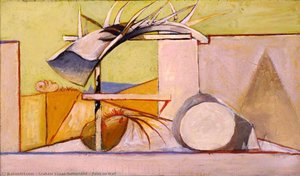
Flying Bomb Depot (recto)

Reproducción al óleo hecha a mano

Óleo sobre lienzo pintado a mano en el tamaño y marco de su elección, realizado por encargo por nuestros artistas. ( Cambiar a impresiones Cambiar a imagen digital)

Descripción del objeto

A haunting black & white painting by Graham Sutherland depicting a wartime flying bomb depot, capturing a sense of eerie desolation and reflecting post-war anxieties.

Biografía del artista

Descubre la rica historia de Escocia's Argyll & Sutherland Highlenders en Stirling Castle! Explora artefactos militares, relatos desde las épocas jacobitas hasta los conflictos modernos y disfruta de exposiciones atractivas en este museo regimental de primera categoría.

desde ·

Capítulo 1

¿Qué tamaño debería tener?

Deslice para cambiar el tamaño; la imagen de la izquierda muestra el marco con su anchura real. Se mantienen las proporciones originales.

Tamaño estándar
a medida
CM
INCH

Elija entre nuestros tamaños predefinidos que respetan las proporciones originales de la obra.

ancho
altura

Indique el ancho y el alto que necesite para adaptarse a su marco o pared. Al tratarse de una obra pintada a mano, si requiere un tamaño con una proporción distinta, el artista puede pintar un poco más alrededor de la imagen o recortarla ligeramente; usted elige. Le enviaremos una maqueta digital para su aprobación antes de comenzar la pintura. La imagen que se muestra en esta página no refleja el resultado real; solo la maqueta lo hace.

Capítulo 2

¿Cómo debe llegar?

Elige el acabado de los bordes del lienzo

Elige tu marco

Corner sample of the WhiteWrap canvas edge finish, stretched on madera maciza bars
Blanco €1
Corner sample of the BlurSideWrap canvas edge finish, stretched on madera maciza bars
Bordes difuminados €1
Corner sample of the ExtendedWrap canvas edge finish, stretched on madera maciza bars
Continuación de imagen €1
Corner sample of the P118B picture frame: poliestireno moldeado, 5 cm wide and 3 cm thick
P118B €10
Corner sample of the P118H picture frame: poliestireno moldeado, 5 cm wide and 3 cm thick
P118H €10
Corner sample of the P118W picture frame: poliestireno moldeado, 5 cm wide and 3 cm thick
P118W €10
Corner sample of the P438Z picture frame: poliestireno moldeado, 5.5 cm wide and 3.5 cm thick
P438Z €10
Corner sample of the P508JH picture frame: poliestireno moldeado, 7 cm wide and 3.5 cm thick
P508JH €12
Corner sample of the P508YH picture frame: poliestireno moldeado, 7 cm wide and 3.5 cm thick
P508YH €12
Corner sample of the P805H picture frame: poliestireno moldeado, 5 cm wide and 3.5 cm thick
P805H €10
Corner sample of the P805Z picture frame: poliestireno moldeado, 5 cm wide and 3.5 cm thick
P805Z €10
Corner sample of the P919BZ picture frame: poliestireno moldeado, 7 cm wide and 3.5 cm thick
P919BZ €10
Corner sample of the P919G picture frame: poliestireno moldeado, 7 cm wide and 3.5 cm thick
P919G €10
Corner sample of the P919XJ picture frame: poliestireno moldeado, 7 cm wide and 3.5 cm thick
P919XJ €10
Corner sample of the P959ZH picture frame: poliestireno moldeado, 5 cm wide and 3 cm thick
P959ZH €10
Corner sample of the P968JZ picture frame: poliestireno moldeado, 6 cm wide and 4 cm thick
P968JZ €12
Corner sample of the W106C picture frame: madera maciza, 5 cm wide and 3 cm thick
W106C €8
Corner sample of the W218G picture frame: madera maciza, 5 cm wide and 3 cm thick
W218G €10
Corner sample of the W218JH picture frame: madera maciza, 5 cm wide and 3 cm thick
W218JH €8
Corner sample of the W218Y picture frame: madera maciza, 5 cm wide and 3 cm thick
W218Y €10
Corner sample of the W307PJ picture frame: madera maciza, 6 cm wide and 3 cm thick
W307PJ €10
Corner sample of the W316G picture frame: madera maciza, 6 cm wide and 3 cm thick
W316G €10
Corner sample of the W316PJ picture frame: madera maciza, 6 cm wide and 3 cm thick
W316PJ €8
Corner sample of the W316Y picture frame: madera maciza, 6 cm wide and 3 cm thick
W316Y €10
Corner sample of the W398PJ picture frame: madera maciza, 5 cm wide and 3 cm thick
W398PJ €8
Corner sample of the W4111J picture frame: madera maciza, 6.5 cm wide and 3.5 cm thick
W4111J €10
Corner sample of the W500HY picture frame: madera maciza, 7 cm wide and 5 cm thick
W500HY €15
Corner sample of the W500JH picture frame: madera maciza, 7 cm wide and 5 cm thick
W500JH €15
Corner sample of the W692G picture frame: madera maciza, 8 cm wide and 4 cm thick
W692G €12
Corner sample of the W849H picture frame: madera maciza, 5 cm wide and 3 cm thick
W849H €8
Corner sample of the W940BG picture frame: madera maciza, 7.5 cm wide and 4.5 cm thick
W940BG €15
Corner sample of the W953PJ picture frame: madera maciza, 6 cm wide and 3.5 cm thick
W953PJ €8
Corner sample of the H24-GOLD picture frame: madera tallada con estuco, 10 cm wide and 6 cm thick
H24-GOLD €30
Corner sample of the H24-SILVER picture frame: madera tallada con estuco, 10 cm wide and 6 cm thick
H24-SILVER €30
Corner sample of the H36-GOLD picture frame: madera tallada con estuco, 15 cm wide and 6.5 cm thick
H36-GOLD €45
Corner sample of the H36-SILVER picture frame: madera tallada con estuco, 15 cm wide and 6.5 cm thick
H36-SILVER €45

Moldura: . Dimensiones totales con marco: .

Capítulo 3

¿Quién lo pinta y debería cambiar algo?

Ejemplos de lo que se puede cambiar: Reemplazar el rostro con la foto del cliente; Añadir una mascota (por ejemplo, cambiar un gato por un perro); Incluir un mensaje oculto en el fondo; Cambiar el paisaje o los elementos del fondo.
Tras realizar el pedido, el equipo de OriginalUniqueArt.com enviará un correo electrónico al cliente para solicitar instrucciones y proporcionar una vista previa del boceto

Envío a todo el mundo () en 3-4 semanas en lugar de las 5 semanas estándar. (5 noviembre). Sin comprometer la calidad.

Capítulo 4

Los últimos retoques

¿Una placa de identificación, como en un museo?

Detalles de la placa de bronce grabada

This elegant plaque features the artist's name and the title of the artwork, finely engraved for a timeless presentation.

It is made from bronze with a refined, elegant finish. The text is precisely laser-engraved for a sharp and permanent result. Measuring 9x2 cm, the plaque is compact yet easy to read. It's built to be durable and scratch-resistant, offering a professional, museum-quality look. Mounting is simple thanks to the included adhesive backing.

Detalles de la placa de acrílico transparente

The plaque includes essential engraved details such as the artist's name, the title of the artwork, the date it was created, the type of media used-like oil on canvas or watercolor-a brief description of the piece, and a QR code that links to the complete artwork information.

It is crafted from clear acrylic, offering a sleek, modern appearance. The text is UV-engraved in black to ensure strong visual contrast. With a size of 10x15 cm, it ensures optimal readability. It comes equipped with two metal hooks for secure wall mounting. The plaque is designed to be weather-resistant, making it suitable for various environments, and it includes interactive features that work seamlessly with smartphone scanning.

Detalles de la placa de acrílico negro

This elegant plaque includes engraved information such as the artist's name, the title of the artwork, the date it was created, the type of media used (like oil on canvas or watercolor), a short description of the artwork, and a QR code for quick access to more information.

The plaque itself is made from refined black acrylic with a premium finish. The text is laser-engraved in white for high contrast and readability. Its size is 10x15 cm, designed to be easy to read. It comes with two metal hooks for professional mounting. The design is sleek and fits any interior style. It is also weather-resistant and durable, with built-in digital integration for mobile compatibility.

¿Un barniz protector?

¿Para cuándo lo necesita?

Capítulo 5

Su pintura, tal como la solicitó

Flying Bomb Depot (recto)

Técnica de reproducción

Dimensiones de la reproducción

-

Selección de artistas premium

Mayor nivel de detalle, delicadeza y tiempo de producción adicional

-

Enmarcado de reproducción

-

-

Para obras de arte o reproducciones que midan más de 105 cm (aproximadamente 41 pulgadas) en cualquiera de sus lados, el marco se enviará como un kit desmontado. Este método garantiza una entrega segura y evita daños durante el transporte.

Se requiere montaje profesional: este no es un producto para hacer usted mismo (DIY).
El kit debe ser ensamblado y el lienzo tensado por un enmarcador profesional con experiencia, utilizando cola para madera (no incluida), una tenaza para tensar lienzos y sargentos para mantener los bastidores alineados mientras la cola se seca. Un montaje incorrecto o una tensión desigual del lienzo pueden dañar la obra de arte de forma permanente y no están cubiertos por nuestra garantía.

  • Se incluyen todos los listones de madera maciza, cortados con precisión según las medidas.

  • Se ensambla con los tornillos incluidos, además de cola para madera para las uniones de las esquinas, la cual no se incluye y debe ser proporcionada por su enmarcador.

  • Se requieren herramientas profesionales que no están incluidas: un alicate para tensar lienzos (tensor) y abrazaderas para mantener los bastidores alineados mientras se seca el pegamento.

Importante:
Las uniones de las esquinas requieren cola para madera, los listones deben sujetarse con prensas hasta que la cola esté completamente seca, y para tensar el lienzo en el bastidor ensamblado se requiere una pinza para tensar lienzos. Ninguno de estos elementos está incluido en el kit. Por favor, contacte con un profesional del enmarcado con experiencia antes de realizar un pedido de este tamaño.

Cartela

-

-

Barniz protector

Barniz brillante (realza los colores y protege contra la luz y la humedad)

-

Personalizar mi obra

Ejemplos de lo que se puede personalizar: sustituir el rostro por una foto del cliente; añadir una mascota (por ejemplo, cambiar un gato por un perro); incluir un mensaje oculto en el fondo; cambiar el paisaje o los elementos del fondo.

-

Envío urgente

Envío a todo el mundo () en 3 o 4 semanas, en lugar de las 5 semanas habituales. (5 noviembre). Sin comprometer la calidad.

-

Envío urgente

Envío internacional () en 5 semanas. (12 noviembre).

Incluido

Precio total final

€ 268

Precio total € 268

La opción de vidrio solo está disponible en tamaños inferiores a 110 cm.

Incluido en cada pedido

  • Envío exprés gratuito a todo el mundo
  • Lienzo de lino de alta calidad
  • Seguro de envío total
  • Garantía de reembolso de aranceles aduaneros
  • Garantía de fidelidad cromática exacta
  • Política de devolución de 100 días (solo por defectos)
  • Garantía de devolución del 100% del dinero
  • Descuento por cantidad

A Haunting Echo of War: Exploring Sutherland’s “Flying Bomb Depot”

Graham Vivian Sutherland's "Flying Bomb Depot (recto)," painted in 1945, isn’t merely a depiction of wartime architecture; it’s a profound meditation on destruction, isolation, and the unsettling beauty born from devastation. Created during the tumultuous years of World War II, this oil painting offers a starkly evocative glimpse into the hidden realities of Britain's defense efforts – specifically, the clandestine network of caves used to house German flying bombs. Sutherland, an Official War Artist tasked with documenting the home front, moved beyond straightforward military scenes, instead choosing to capture the psychological and atmospheric weight of these subterranean installations.

The painting’s immediate impact is one of muted drama. Dominated by a palette of somber grays, browns, and ochres, it eschews vibrant color in favor of a restrained, almost melancholic tone. The composition centers on a partially collapsed brick structure – the entrance to a cave complex – its jagged edges and broken walls hinting at recent bombardment. The strategic placement of sparse trees, rendered with an unsettlingly organic quality, further amplifies the sense of desolation and the intrusion of nature reclaiming man-made structures. It’s not a heroic portrayal of victory; rather, it's a quiet acknowledgment of loss and the enduring scars left by conflict.

Neo-Romanticism and the Pembrokeshire Landscape

Sutherland’s style in “Flying Bomb Depot” firmly places it within the realm of Neo-Romanticism. This movement, flourishing in Britain during the interwar period and continuing through the war years, sought to reconnect with nature while simultaneously exploring themes of emotion, spirituality, and the sublime. Sutherland's work shares this dual focus – he imbues his landscapes with a sense of profound emotional resonance, mirroring the anxieties and uncertainties of the era. His earlier Pembrokeshire paintings, which profoundly influenced this piece, demonstrated a fascination with the rugged beauty of the Welsh coastline, but here, that interest is filtered through the lens of wartime experience.

Technically, Sutherland employs a layered approach, building up his image through multiple glazes and scumbles. This creates a remarkable sense of texture and depth, particularly evident in the rough-hewn brickwork and the tangled undergrowth. The brushstrokes are loose and expressive, contributing to the painting’s overall feeling of immediacy and vulnerability. He utilizes a technique reminiscent of Impressionism, capturing fleeting moments of light and shadow, yet his subject matter—a scene of destruction—elevates it beyond mere observation.

Symbolism and the Weight of History

Beyond its immediate depiction of wartime infrastructure, “Flying Bomb Depot” is rich in symbolic meaning. The caves themselves represent a hidden world – a space removed from everyday life, shrouded in secrecy and danger. The broken walls symbolize not just physical damage but also the shattered foundations of society during wartime. The lone bird perched on a branch adds an element of unsettling beauty to the scene, suggesting both resilience and vulnerability amidst the ruins. It’s a poignant reminder that even in the darkest of times, life persists.

Considering its creation in 1945, immediately following intense aerial bombardment, the painting serves as a powerful testament to the psychological impact of war on civilians. It's a far cry from celebratory wartime propaganda; instead, it offers a raw and honest portrayal of the human cost of conflict. The work’s enduring power lies in its ability to evoke a sense of unease and contemplation, prompting viewers to reflect on the complexities of history and the fragility of peace.

Collecting a Piece of History

Reproductions of “Flying Bomb Depot” offer a compelling way to bring this evocative artwork into your home or office. Available in various sizes and mediums – from high-quality prints to meticulously crafted oil paintings – it’s a unique addition to any collection. This piece is more than just decoration; it's a window into the past, a reminder of a pivotal moment in history, and a testament to the enduring power of art to capture both beauty and sorrow.

Preguntas y respuestas

¿Con qué otros nombres o alias se conoce a Graham Vivian Sutherland?

Otros nombres registrados para Graham Vivian Sutherland, creador de "Flying Bomb Depot (recto)", incluyen GV Sutherland.

¿Dónde y para qué uso se recomienda "Flying Bomb Depot (recto)"?

Se recomienda "Flying Bomb Depot (recto)" de Graham Vivian Sutherland para Statement, idealmente en un/a Living Room. El uso y el espacio juntos ayudan a determinar dónde encaja mejor una reproducción.

¿Puedo pedir una reproducción al óleo de "Flying Bomb Depot (recto)"?

Puede solicitar una reproducción pintada a mano de "Flying Bomb Depot (recto)" de Graham Vivian Sutherland directamente en su página de Reproducción al óleo pintada a mano: una reproducción al óleo pintada a mano sobre lienzo de lino, realizada bajo pedido.

Más información sobre esta pintura

Ver en contexto Vista previa en RA Cambiar a impresiones Cambiar a imagen digital Enviar
Detalles Guía Añadir a favoritos Descargar Similares Radiografía Presentación de diapositivas Preguntas y respuestas Estadísticas

En cifras

  • 1945el año en que fue pintada
  • 29marcos disponibles para elegir
  • tamaños estándar, en sus propias proporciones
  • 5semanas para pintar y entregar la obra

Sobre el original

Dimensiones
95.0 x 89.0 cm
Graham Vivian Sutherland

Graham Vivian Sutherland

1903 - 1980, Reino Unido

Datos rápidos sobre Graham Vivian Sutherland

  • Artistic Movement Or Style: Surrealismo
  • Artists Or Movements Influenced By This Artist: ['Samuel Palmer']
  • Artists Who Influenced This Artist:
    • Paul Nash
    • F.L. Griggs
  • Date Of Birth: 24 agosto 1903
  • Full Name: Graham Vivian Sutherland
  • Nationality: Británico
  • Notable Artworks:
    • Flying Bomb Depot
    • Entrance to a Lane
  • Place Of Birth: Londres, Inglaterra

Biografía del artista

Los paisajes visionarios de Graham Vivian Sutherland

Graham Vivian Sutherland, un titán del modernismo británico, poseía la rara habilidad de transformar los contornos familiares del mundo natural en algo profundamente inquietante y espiritual. Nacido en Streatham, Londres, en 1903, el viaje de Sutherland fue uno de constante metamorfosis. Si bien sus primeros años estuvieron marcados por una educación clásica en Epsom College, su verdadera vocación surgió lejos de los círculos jurídicos de su familia. Su incursión inicial en el mundo técnico de un aprendizaje en los talleres de locomotoras de Midland Railway le proporcionó una base de precisión que más tarde se manifestaría en sus intrincados grabados y texturizados óleos. Al trasladarse a la Escuela de Arte Goldsmiths, Sutherland comenzó a alejarse de la representación tradicional, sintiéndose atraído por el poder evocador del grabado y la aguada.

La estética temprana del artista estaba profundamente arraigada en el romanticismo de Samuel Palmer; sin embargo, se negó a permanecer anclado al pasado. En su lugar, Sutherland actuó como un puente entre la tradición pastoral inglesa y la energía radical de los movimientos de vanguardia europeos. Al absorber la lógica onírica del surrealismo y la cruda emocionalidad del expresionismo, desarrolló un lenguaje visual capaz de capturar tanto el paisaje físico como el estado psicológico. Sus primeros grabados, caracterizados por un sentido de misterio y forma orgánica, sentaron las bases de una carrera definida por una obsesión con lo "extraño" de la naturaleza, un tema que se convertiría en su legado más perdurable.

La sombra de la naturaleza y los años de guerra

La década de 1940 marcó una era crucial en el desarrollo de Sutherland, ya que su enfoque pasó del delicado medio del grabado a las texturas viscerales y empastadas de la pintura al óleo. Fue durante este período cuando los paisajes escarpados y azotados por el viento de Pembrokeslim se convirtieron en su musa principal. En obras como Thorn Tree, se puede presenciar la maestría del artista para fusionar la realidad botánica con la distorsión surrealista. No se limitaba a pintar árboles; pintaba la tensión, la lucha y la arquitectura esquelética de la vida misma. Este periodo lo llevó hacia una forma de ver más abstracta, pero profundamente simbólica, donde las espinas, las raíces y las ramas retorcidas servían como metáforas de la vulnerabilidad y la resiliencia humana.

La Segunda Guerra Mundial aportó una dimensión diferente y más sombría a su obra. Al desempeñarse como artista oficial de guerra, Sutherland dirigió su mirada hacia las escenas industriales y a menudo inquietantes del frente interno británico. Sus pinturas de esta época, como Flying Bomb Depot The Caverns, son lecciones magistrales de atmósfera. A través de texturas densas y una paleta que evoca tanto la decadencia como el pavor, capturó la desolación espectral de los interiores de tiempos de guerra. Estas obras no eran mera documentación; eran retratos psicológicos de una era marcada por la ansiedad y la presencia acechante de la destrucción, reflejando la realidad fracturada de un mundo en conflicto.

Un legado de simbolismo y grandeza

En los años de posguerra, la obra de Sutherland ascendió a nuevas alturas de importancia espiritual y pública. Comenzó a integrar el simbolismo religioso con sus motivos orgánicos, creando una poderosa síntía entre lo sagrado y lo natural. Esto culminó en uno de sus logros más monumentales: el diseño del enorme tapiz central para la nueva Catedral de Coventry, titulado Christ in Glory in the Tetramorph. Esta obra, que utilizó su capacidad para manipular la forma y el color a gran escala, permanece como un testimonio de su papel en la reconstrucción cultural de la Gran Bretaña de posguerra.

A lo largo de su prolífica carrera, la versatilidad de Sutherland le permitió dejar una huella indeleble en múltiples disciplinas:

  • Retratismo: Su capacidad para capturar la profundidad psicológica de figuras públicas, como su digno y melancólico Somerset Maugham.
  • Grabado: Una dedicación de por vida a la precisión del aguafuerte y el grabado que informó su sentido de la línea y la estructura.
  • Artes decorativas: Sus contribuciones al diseño de tapices y al arte del vidrio, llevando la abstracción moderna al reino de la belleza funcional.

En última instancia, Graham Sutherland sigue siendo una piedra angular del arte del siglo XX porque se atrevió a mirar bajo la superficie del paisaje. Encontró lo surreal dentro de lo real y lo divino dentro de lo orgánico. Su legado no se encuentra solo en los museos, sino en la forma en que percibimos la belleza oculta y a menudo dentada del mundo que nos rodea: un mundo donde cada espina guarda una historia y cada sombra contiene un misterio.

Datos clave

  • Artistic style: Surreal landscape
  • Artist: Graham Sutherland
  • Title: Flying Bomb Depot
  • Movement: Neo-Romanticism
  • Notable elements: Wartime devastation
  • Influences: Pembrokeshire

Test de conocimientos artísticos

Cada pregunta tiene una única respuesta correcta.

Pregunta 1:
What is the primary subject depicted in ‘Flying Bomb Depot (recto)’?
Pregunta 2:
Which artistic movement is most closely associated with Graham Vivian Sutherland’s style as evidenced by this painting?
Pregunta 3:
In what year was ‘Flying Bomb Depot (recto)’ created?
Pregunta 4:
What is a notable characteristic of Sutherland’s landscapes, as reflected in this artwork?
Pregunta 5:
The painting’s somber tone and depiction of ruined structures likely reflect which historical context?