Ver en contexto
 Enviar
 Compartir
 Detalles
 Guía
Guía

 Descargar
 Similares
 Radiografía
 Presentación de diapositivas
 Estadísticas
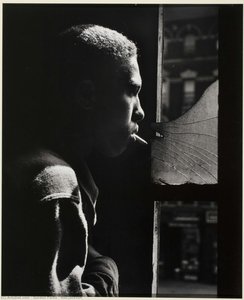
Store Front, Mobile, Alabama


 Ver más
La obra de arte que se muestra en esta página está protegida por las leyes de propiedad intelectual, lo que significa que no podemos crear ni vender legalmente una reproducción idéntica. Esta protección se hace cumplir en virtud de acuerdos internacionales como el Convenio de Berna y por las leyes nacionales, incluidas aquellas establecidas por el Ley de derechos de autor de los EE. UU. - Título 17.
Este método cumple plenamente con las normativas de derechos de autor, ya que no implica la copia ni la duplicación de la obra protegida. En su lugar, se trata de una reinterpretación creativa: una nueva pintura influenciada por la original, pero que no es idéntica a ella.
Giclée / Impresión de arte
Impresiones giclée o en lienzo de calidad de museo con producción rápida y opciones de acabado flexibles. ( Comprar pintura hecha a mano Cambiar a imagen digital)




P118B €10

P118H €10

P118W €10

P438Z €10

P508JH €12

P508YH €12

P805H €10

P805Z €10

P919BZ €10

P919G €10

P919XJ €10

P959ZH €10

P968JZ €12

W106C €8

W218G €10

W218JH €8

W218Y €10

W307PJ €10

W316G €10

W316PJ €8

W316Y €10

W398PJ €8

W4111J €10

W500HY €15

W500JH €15

W692G €12

W849H €8

W940BG €15

W953PJ €8




Elija entre nuestros tamaños predefinidos que respetan las proporciones originales de la obra.

Introduzca el ancho y el alto que necesite para adaptarse a su marco o pared. Una impresión solo puede recortarse, nunca hacerse más grande que la imagen original, por lo que un tamaño con una forma distinta perderá parte de la obra. Le enviaremos una maqueta digital para su aprobación antes de realizar cualquier impresión. La imagen que se muestra en esta página no refleja el recorte real; solo la maqueta lo hace.
Envío a todo el mundo () en 2 semanas en lugar de las 4/5 semanas estándar. (25 octubre)

Envío exprés gratuito a todo el mundo

Lienzo de lino de alta calidad

Seguro de envío total

Garantía de reembolso de aranceles aduaneros

Garantía de fidelidad cromática exacta

Política de devolución de 100 días (solo por defectos)

Garantía de devolución del 100% del dinero

Descuento por cantidad
 La opción de vidrio solo está disponible en tamaños inferiores a 110 cm.

Store Front, Mobile, Alabama
Giclée / Impresión de arte
Dimensiones de la reproducción
-


Precio total final
€ 70
A Frozen Moment in Southern Life
Gordon Parks’s “Store Front, Mobile, Alabama, 1956” isn't merely a photograph; it’s a meticulously crafted window into a vanished world—a poignant tableau of everyday life under the oppressive weight of Jim Crow segregation. Captured during his assignment for *Life* magazine, this image transcends its documentary origins to become a powerful meditation on empathy and the quiet dignity of ordinary people facing extraordinary circumstances. Parks, already a rising star in photography, eschewed the sensationalism often associated with civil rights imagery, instead choosing to focus on the seemingly mundane: a storefront in Mobile, Alabama, bathed in the warm, diffused light of a Southern afternoon. The scene is deceptively simple – a Coca-Cola sign proudly proclaiming its presence above the entrance, a weathered bench inviting weary customers, and several individuals gathered outside, engaged in conversation or simply observing the world around them. Yet, within this apparent stillness lies a profound narrative of resilience and quiet resistance.The Language of Color and Light
What immediately distinguishes “Store Front” is Parks’s masterful use of color—a bold departure from the predominantly black-and-white photography prevalent at the time. He deliberately employed saturated hues, particularly in the red of the Coca-Cola sign and the yellow of the building's facade, creating a vibrant contrast against the muted tones of the surrounding landscape. This deliberate infusion of color wasn’t simply aesthetic; it served to draw attention to the scene, inviting viewers to linger and contemplate its details. Parks expertly manipulated light, using natural illumination to sculpt the forms of the figures and create a sense of depth within the frame. The shadows cast by the building subtly emphasize the faces of those gathered outside, hinting at untold stories and experiences. This careful orchestration of color and light elevates the photograph beyond a simple snapshot, transforming it into a richly layered visual experience.A Window into Segregation’s Reality
The context surrounding this image is crucial to understanding its enduring power. Taken in 1956, during the height of the Civil Rights Movement, “Store Front” offers a rare glimpse into the daily realities of segregation in the American South. The Coca-Cola sign, a symbol of modernity and prosperity, stands in stark contrast to the racial inequalities that permeated every aspect of Southern life. The individuals depicted—a mix of Black men and women—represent the community’s resilience and their quiet determination to maintain dignity in the face of systemic oppression. Parks's choice to focus on this seemingly ordinary storefront highlights the fact that segregation wasn't confined to grand demonstrations or legal battles; it was woven into the fabric of everyday life, shaping people’s interactions, opportunities, and experiences. The photograph serves as a potent reminder of the pervasive nature of racial injustice and the importance of recognizing the humanity of those who have been marginalized.Symbolism and Emotional Resonance
Beyond its historical significance, “Store Front” is rich in symbolic meaning. The bench represents a brief respite from the hardships of daily life—a place for connection, conversation, and shared experience. The Coca-Cola sign, despite being a symbol of corporate America, also signifies a small measure of comfort and familiarity within a segregated environment. The figures themselves embody resilience, dignity, and community spirit. Parks’s deliberate framing invites viewers to project their own emotions onto the scene—to feel empathy for those depicted and to reflect on the enduring legacy of racial inequality. The photograph's emotional impact is profound, prompting us to confront uncomfortable truths about our past and to consider how we can build a more just and equitable future. It’s a testament to Parks’s skill that he could capture such complex emotions with such understated elegance.A Legacy of Photographic Storytelling
“Store Front, Mobile, Alabama, 1956” stands as a landmark achievement in photographic storytelling—a powerful example of how photography can be used to document social realities, challenge injustice, and foster empathy. Gordon Parks’s innovative use of color, his masterful manipulation of light, and his insightful portrayal of everyday life have cemented this image's place as an iconic representation of the Civil Rights Movement and a timeless meditation on human dignity. Reproductions of this photograph continue to resonate with audiences today, serving as a poignant reminder of the struggles faced by African Americans in the Jim Crow South and inspiring us to strive for a more inclusive and equitable society.Preguntas y respuestas
¿Es "Store Front, Mobile, Alabama" de dominio público?
En cuanto a los derechos de autor, "Store Front, Mobile, Alabama" es aún protegido por derechos de autor.
¿Es "Store Front, Mobile, Alabama" de Gordon Parks una obra de tonos claros u oscuros?
En cuanto a la luminosidad percibida, "Store Front, Mobile, Alabama" de Gordon Parks es brillante.
¿Está disponible una descarga en alta resolución de "Store Front, Mobile, Alabama"?
Puede adquirir una imagen digital de "Store Front, Mobile, Alabama" de Gordon Parks en su página de Imagen digital de alta resolución: descarga de una imagen digital en alta resolución.
Biografía del artista
Primeros años y carrera
Gordon Roger Alexander Buchanan Parks, un fotógrafo, músico, escritor y director de cine estadounidense, nació el 30 de noviembre de 1912 en Fort Scott, Kansas. Fue el hijo menor de quince hermanos de Sarah (nacida Ross) y Jackson Parks. Los primeros años de Parks estuvieron marcados por la segregación, una realidad que experimentó en carne propia en su ciudad natal.Como artista autodidacta, Parks comenzó su trayectoria como fotógrafo, llegando a convertirse en el primer afroamericano en trabajar para las revistas Life y Vogue. Sus icónicas fotografías de estadounidenses pobres durante la década de 1940, tomadas para un proyecto del gobierno federal, son un testimonio elocuente de su habilidad y dedicación inquebrantable.
Obras y logros notables
- Shaft (1971), una película dirigida por Parks que se convirtió en un fenómeno cultural.
- The Learning Tree (1969), una película semi-autobiográfica que marcó el debut como director de Parks.
- A Choice of Weapons (1985), un memorando que exhibe la destreza narrativa de Parks.
- Los ensayos fotográficos para la revista Life, que cimentaron el estatus de Parks como un destacado fotoperiodista.
Museos y colecciones
- La colección Melvin Holmes, que alberga una extensa colección de obras de Parks. [https://www.holmesartgallery.com/gordonparks](https://www.holmesartgallery.com/gordonparks)
- MOMA (The Museum of Modern Art), que posee una impresionante colección de fotografías de Parks. [https://www.moma.org/artists/8083](https://www.moma.org/artists/8083)
Premios y legado
- Premio NAACP Image Award (2003)
- Premio PGA Oscar Micheaux (1993)
- Medalla Nacional de Artes (1988)
- Medalla Spingarn (1972)
El legado de Gordon Parks trasciende su impresionante obra, pues allanó el camino para futuras generaciones de artistas afroamericanos. Sus contribuciones al fotoperiodismo, el cine y la música continúan inspirando e influyendo en los artistas hasta el día de hoy.
Obras seleccionadas en OriginalUniqueArt.com
- Emerging Man (Impresión de gelatino plata), una fotografía poderosa que exhibe la maestría de Parks. [https://OriginalUniqueArt.com/d3xgfc-gordon-parks-emerging-man](https://OriginalUniqueArt.com/d3xgfc-gordon-parks-emerging-man)
- Retrato de la Sra. Lucy Johnson (Impresión de gelatino plata), un retrato conmovedor que resalta la capacidad narrativa de Parks. [https://OriginalUniqueArt.com/d4dblu-gordon-parks-portrait-of-mrs-lucy-johnson](https://OriginalUniqueArt.com/d4dblu-gordon-parks-portrait-of-mrs-lucy-johnson)

Gordon Parks
1912 - 2006 , Estados Unidos de América
Datos clave
- Artistas Influenciados: Futuros artistas afroamericanos
- Artistas Que Influyeron:
- Norman Alley
- Dorothea Lange
- Fecha De Fallecimiento: 7 de marzo de 2006
- Fecha De Nacimiento: 30 de noviembre de 1912
- Lugar De Nacimiento: Fort Scott, EE. UU.
- Movimiento Artístico: Foto periodismo, Realismo social
- Nacionalidad: Estadounidense
- Nombre Completo: Gordon Roger Alexander Buchanan Parks
- Obras Notables:
- Shaft (1971)
- The Learning Tree (1969)
- A Choice of Weapons (1985)
Artículos relacionados

Witnessing History Through Lens & Light: Documentary Photography's Enduring Legacy
Explore the powerful history of documentary photography – from its origins to contemporary masters like Gordon Parks & W. Eugene Smith. Discover how this art form shapes our understanding of society and witness pivotal moments in time.

Testigos del Tiempo: La Fotografía Documental como Movimiento Artístico y Reflejo Histórico
Explora la historia y el impacto de la fotografía documental. Descubre a los fotógrafos pioneros que capturaron momentos clave y cambiaron nuestra percepción del mundo. Un análisis profundo y visualmente enriquecedor.
Gordon Parks: A Poetic Lens on American Life – Photography, Social Justice & Storytelling
Explore the profound work of Gordon Parks, a groundbreaking photographer who documented American life with unparalleled empathy and artistry. Discover his iconic images & lasting impact on social justice through Life magazine & beyond.

Monochrome Visions: Exploring the Aesthetic & Historical Significance of Black & White Photography
Explore the rich history & artistic power of black and white photography. From early techniques to iconic masters like Ansel Adams, discover why monochrome continues to captivate art lovers today. Expert insights for collectors.

Beyond the Lens: Photography's Enduring Influence on Modern & Contemporary Art
Explore photography's pivotal role in shaping modern & contemporary art. Discover key movements, influential artists like Stieglitz, and expert collecting advice from OriginalUniqueArt.