

 Ver en contexto
 Enviar
 Compartir
 Detalles
 Guía
Guía

 Descargar
 Similares
 Radiografía
 Presentación de diapositivas
 Estadísticas
Cabin Fever
 Acrylic On Canvas
- WallArt
- Chicano Art
 1984
1984- Contemporary
 Centro de Investigación de Estudios Chicanos UCLA
 Ver más
La obra de arte que se muestra en esta página está protegida por las leyes de propiedad intelectual, lo que significa que no podemos crear ni vender legalmente una reproducción idéntica. Esta protección se hace cumplir en virtud de acuerdos internacionales como el Convenio de Berna y por las leyes nacionales, incluidas aquellas establecidas por el Ley de derechos de autor de los EE. UU. - Título 17.
Este método cumple plenamente con las normativas de derechos de autor, ya que no implica la copia ni la duplicación de la obra protegida. En su lugar, se trata de una reinterpretación creativa: una nueva pintura influenciada por la original, pero que no es idéntica a ella.
Giclée / Impresión de arte
Impresiones giclée o en lienzo de calidad de museo con producción rápida y opciones de acabado flexibles. ( Comprar pintura hecha a mano Cambiar a imagen digital)




P118B €10

P118H €10

P118W €10

P438Z €10

P508JH €12

P508YH €12

P805H €10

P805Z €10

P919BZ €10

P919G €10

P919XJ €10

P959ZH €10

P968JZ €12

W106C €8

W218G €10

W218JH €8

W218Y €10

W307PJ €10

W316G €10

W316PJ €8

W316Y €10

W398PJ €8

W4111J €10

W500HY €15

W500JH €15

W692G €12

W849H €8

W940BG €15

W953PJ €8




Elija entre nuestros tamaños predefinidos que respetan las proporciones originales de la obra.

Introduzca el ancho y el alto que necesite para adaptarse a su marco o pared. Una impresión solo puede recortarse, nunca hacerse más grande que la imagen original, por lo que un tamaño con una forma distinta perderá parte de la obra. Le enviaremos una maqueta digital para su aprobación antes de realizar cualquier impresión. La imagen que se muestra en esta página no refleja el recorte real; solo la maqueta lo hace.
Envío a todo el mundo () en 2 semanas en lugar de las 4/5 semanas estándar. (26 octubre)

Envío exprés gratuito a todo el mundo

Lienzo de lino de alta calidad

Seguro de envío total

Garantía de reembolso de aranceles aduaneros

Garantía de fidelidad cromática exacta

Política de devolución de 100 días (solo por defectos)

Garantía de devolución del 100% del dinero

Descuento por cantidad
 La opción de vidrio solo está disponible en tamaños inferiores a 110 cm.

Cabin Fever
Giclée / Impresión de arte
Dimensiones de la reproducción
-


Precio total final
€ 70
A Moment Frozen in Monochrome: The Intimacy of Cabin Fever
In the evocative landscape of Chicano contemporary art, few works capture the quiet tension of social connection quite like Glugio Nicandro’s 1984 masterpiece, Cabin Fever. At first glance, the viewer is drawn into a monochromatic world where time seems to have decelerated. The painting presents a group of four individuals gathered within the domestic sanctuary of a room, their figures rendered in a striking black and white palette that strips away the distractions of color to reveal the raw essence of the moment. There is an undeniable sense of shared experience as they stand together, glasses in hand, caught in a transient pause during what appears to be a social gathering. The composition breathes with the lived-in atmosphere of a private space, where the presence of a simple chair, a potted plant, and a dining table in the background suggests a narrative of everyday life, elevated to the level of high art.
The technical execution of Cabin Fever speaks to Nicandro’s profound command over acrylic on canvas. By eschewing color, the artist directs our gaze toward the interplay of light and shadow, the textures of fabric, and the subtle expressions etched upon the faces of the subjects. This monochromatic approach lends a cinematic quality to the work, reminiscent of mid-century photography or the noir aesthetics that have long influenced the artist’s visual vocabulary. The way the light catches the rim of a wine glass or the fold of a tie creates a rhythmic movement across the canvas, guiding the eye through the domestic scene. For the discerning collector or interior designer, this piece offers a sophisticated tonal anchor, capable of bringing a sense of timelessness and intellectual depth to any curated space.
Cultural Resonance and the Chicano Vision
To understand Cabin Fever, one must look toward the historical heartbeat of its creator. Glugio Nicandro, often celebrated as Gronk, emerged from the vibrant, politically charged atmosphere of East Los Angeles. As a pivotal figure in the Asco collective, his work has historically challenged societal norms and explored the complexities of identity. In this particular piece, we see a fascinating intersection of the personal and the political; while the subject matter appears domestic and intimate, there is an underlying exploration of community and the shared human condition. The painting captures a slice of life that feels both universal and deeply rooted in the cultural fabric of Los Angeles, reflecting a period where the boundaries between street art, performance, and traditional painting were being masterfully blurred.
The emotional impact of the work lies in its ability to evoke a sense of nostalgia and quiet contemplation. There is a subtle melancholy present in the title Cabin Fever—a suggestion of confinement or the psychological weight of staying within one's boundaries—yet the figures are engaged in the ritual of togetherness. This duality creates a compelling tension that invites viewers to linger. Whether placed in a modern gallery setting or as a centerpiece in a luxurious residential interior, this reproduction serves as more than mere decoration; it is a window into a specific cultural moment, offering an invitation to reflect on our own connections, our shared spaces, and the beauty found in the most fleeting of social encounters.
Preguntas y respuestas
¿Cuál es el color predominante en "Cabin Fever" de Gronk?
El color que más destaca en "Cabin Fever" es el Putty (#e2dddd). El color dominante resulta muy útil a la hora de combinar una obra de arte con un espacio interior.
¿Cómo se describe la paleta de colores de "Cabin Fever" de Gronk?
La paleta de "Cabin Fever" de Gronk se describe como Neutrals. Es una descripción concisa de los colores de la obra.
¿Es "Cabin Fever" de Gronk una composición en formato vertical, horizontal o cuadrado?
"Cabin Fever" de Gronk tiene un formato Landscape. El formato describe las proporciones de la composición.
Biografía del artista
Glugio Nicandro (Gronk): Un Visionario del Arte Chicano
Glugio Nicandro, conocido profesionalmente como Gronk, es un pintor y artista escénico basado en Los Ángeles que ocupa una posición destacada en el arte chicano—un movimiento vibrante arraigado en la cultura mexicana estadounidense y el activismo. Nacido en East Los Angeles en 1954, el viaje artístico de Gronk comenzó temprano, impulsado por conexiones familiares con las artes y profundamente moldeado por los propios esfuerzos creativos de su tío. Esta influencia formativa inculcó una pasión vital para la expresión visual y la experimentación.Influencias Tempranas: Una Mezcla Multicultural
Las sensibilidades artísticas de Gronk fueron nutridas por la exposición a diversas influencias culturales, incluyendo animación japonesa y cultura estadounidense—especialmente películas como “Blade Runner”. Estos elementos impregnan su obra, contribuyendo a su estética distintiva. La fascinación por el mundo exterior y las ideas que estas películas provenientes de Rusia, Francia y otros lugares aportaban a su imaginación fueron particularmente significativas. Además, la influencia de artistas europeos como Oskar Kokoschka y Josef Klee desempeñó un papel importante en el desarrollo de su estilo artístico.El Asco Colectivo: Un Punto de inflexión Creativo
Un momento decisivo en la carrera artística de Gronk llegó a través de su participación con el colectivo Asco, un grupo de artistas que desafiaron normas sociales y utilizaron el arte escénico como herramienta para el comentario social durante finales de los años 70 y principios de los 80. Las colaboraciones dentro de Asco fortalecieron el compromiso de Gronk con el activismo artístico y ampliaron sus horizontes creativos. Este colectivo fue fundamental para impulsar nuevas ideas y técnicas en la expresión artística contemporánea.Estilo Pintístico: Expresionismo Audaz
El estilo artístico de Gronk se caracteriza por un enfoque distintivo para pintar—expresionismo audaz—donde emplea capas gruesas de pigmentos brillantes intensamente para generar imágenes expansivas y emocionalmente resonantes. Deliberadamente evita el detalle meticuloso, priorizando en cambio la transmisión de sentimiento y gesto. Esta técnica se alinea con tendencias más amplias en el arte abstracto pero distingue el trabajo de Gronk por estar arraigado en el patrimonio cultural chicano. Sus lienzos palpitan con color—a menudo rojos, amarillos y azules ardientes—creando un lenguaje visual que habla sobre temas de identidad, lucha y resistencia.- Minimalismo Lírico: Gronk utiliza frecuentemente líneas minimalistas, evocadoras del trabajo de artistas como Oskar Kokoschka y Josef Klee, para capturar movimiento y gracia.
Reconocimiento Histórico y Obra Significativa
Desde los años 80 hasta la actualidad, Gronk ha continuado produciendo obras maestras que exploran temas complejos como el recuerdo, el desplazamiento y las dificultades inherentes a la experiencia humana. Su compromiso constante con la experimentación y su dedicación a transmitir emoción mediante medios visuales aseguran que su legado artístico perdure para las generaciones futuras. Gronk sigue siendo una voz influyente dentro del arte chicano—inspirando artistas jóvenes a adoptar estilos audaces y utilizar su creatividad como vehículo para el cambio social, consolidándose como un personaje clave en la historia del arte contemporáneo. Sus pinturas más destacadas incluyen “Tormenta” y “Slice of Life”, obras que reflejan una visión artística profunda y conmovedora.
Gronk
1954 - , Estados Unidos
Datos clave
- Artistic Movement Or Style: Chicano Art
- Artists Or Movements Influenced By This Artist: ['Pop Culture']
- Artists Who Influenced This Artist:
- Asco Collective
- Klee
- Date Of Birth: 1954
- Full Name: Glugio Gronk Nicandro
- Nationality: Americano
- Notable Artworks:
- Tormenta Cantata
- Slice of Life
- Place Of Birth: East Los Angeles, Estados Unidos
Artículos relacionados

El Arte del Blanco y Negro: Transforme sus Recuerdos en Obras Maestras Eternas con la Elegancia del Claroscuro
Descubra la elegancia del blanco y negro con OriginalUniqueArt. Transformamos sus recuerdos en lienzos de óleo hechos a mano, utilizando técnicas maestras como el claroscuro para crear legados eternos. Calidad museística, personalización exclusiva y envío gratuito mundial.

Blanco Sublime: Los 10 Cuadros Más Famosos Dominados por la Luz y el Color
Descubre los 10 cuadros blancos más emblemáticos de la historia del arte. Explora Monet, Van Gogh y Klimt, y su magistral uso de la luz y el color. Encuentra reproducciones de alta calidad e inspírate para tu decoración en .

Monochrome Visions: Exploring the Aesthetic & Historical Significance of Black & White Photography
Explore the rich history & artistic power of black and white photography. From early techniques to iconic masters like Ansel Adams, discover why monochrome continues to captivate art lovers today. Expert insights for collectors.
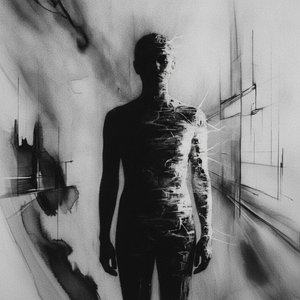
Shadow & Soul: Why Black & White Photography Remains the Ultimate Power Move in Modern Art
Discover why black & white photography remains a powerful force in contemporary art. Explore the impact of light, shadow, and texture through a visual journey of monochrome mastery and learn how to elevate your space with timeless grayscale aesthetics.

Las 10 Pinturas Más Famosas Dominadas por el Negro | Arte y Decoración
Descubre las 10 pinturas más impactantes dominadas por el negro. Explora obras maestras de Rembrandt, Goya y Rothko, su historia y significado. Encuentra reproducciones de arte exclusivas para transformar tu hogar en .