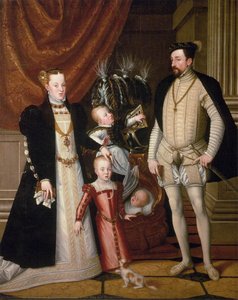
Vista previa
 Compartir
 Compartir
 Ver detalles
 Guía
Guía

 Descargar
 Ver artículos similares
 Radiografía
 Presentación de diapositivas
 Estadísticas
The Waiter
 Óleo sobre lienzo
- Arte de pared
- Baroque Portraiture
 1574
1574 88.0 x 67.0 cm
 Leer más
Reproducción al óleo hecha a mano
Óleo sobre lienzo pintado a mano en el tamaño y marco de su elección, realizado por encargo por nuestros artistas. ( Cambiar a formato impreso Ver versión en imagen digital)




P118B €10

P118H €10

P118W €10

P438Z €10

P508JH €12

P508YH €12

P805H €10

P805Z €10

P919BZ €10

P919G €10

P919XJ €10

P959ZH €10

P968JZ €12

W106C €8

W218G €10

W218JH €8

W218Y €10

W307PJ €10

W316G €10

W316PJ €8

W316Y €10

W398PJ €8

W4111J €10

W500HY €15

W500JH €15

W692G €12

W849H €8

W940BG €15

W953PJ €8




Elija entre nuestros tamaños predefinidos que respetan las proporciones originales de la obra.

Escriba el ancho y el alto que necesite para adaptarse a su marco o a su pared. Al ser una obra pintada a mano, para un tamaño con una forma distinta, el artista puede pintar un poco más alrededor de la imagen o recortar un poco; usted elige. Le enviaremos una maqueta digital para su aprobación antes de comenzar la pintura. La imagen que se muestra en esta página no refleja el resultado real; solo la maqueta lo hace.
Tras realizar el pedido, el equipo de OriginalUniqueArt.com enviará un correo electrónico al cliente para solicitar instrucciones y proporcionarle una vista previa del boceto.
Envío a todo el mundo () en 3-4 semanas en lugar de las 5 semanas estándar. (24 octubre). Sin comprometer la calidad.

Envío exprés gratuito a todo el mundo

Lienzo de lino de alta calidad

Seguro de envío completo

Garantía de reembolso de impuestos aduaneros

Garantía de fidelidad cromática exacta

Política de devolución de 100 días (solo por defectos)

Garantía de devolución del 100% del dinero

Oferta por volumen
 La opción de vidrio solo está disponible en tamaños inferiores a 110 cm.

The Waiter
Técnica de reproducción
Tamaño de la reproducción
-


Precio total
€ 263
Giuseppe Arcimboldo’s ‘The Waiter’: A Portrait of Renaissance Intrigue
Giuseppe Arcimboldo's “The Waiter,” painted in 1574, is more than just a depiction of a man; it’s an invitation into the richly layered world of a Renaissance mind. This captivating artwork, measuring 88 x 67 cm, exemplifies Arcimboldo’s revolutionary approach to portraiture – a technique that transformed the genre into a complex and deeply symbolic visual puzzle. The painting immediately draws the eye to the central figure: a man distinguished by his vibrant red hat adorned with a meticulously painted face, a detail that subtly hints at the artist's own self-portrait within the larger composition. His carefully constructed features – the handlebar mustache, the thoughtful gaze – are not merely decorative; they are integral components of a deliberate and intricate design.
- Subject Matter: A meticulously crafted composite portrait featuring a waiter or server.
- Artist: Giuseppe Arcimboldo, a master of innovative portraiture.
- Date: 1574 – a pivotal year in Arcimboldo’s career.
A Symphony of Objects: Technique and Composition
Arcimboldo's genius lay not just in his subject matter but also in his extraordinary technical skill. “The Waiter” showcases a remarkable mastery of *disegno*, the Italian term for drawing, which was central to Renaissance artistic training. The artist painstakingly arranged an array of objects – a clock, a bowl, bottles, and various fruits – within the confines of the man’s head and shoulders, creating a three-dimensional illusion that defies easy interpretation. This technique, known as *capriccio*, or frottage, was incredibly demanding, requiring immense patience and precision. The layering of textures—the smooth glass of the wine glass, the rough surface of the clock face, the delicate petals of flowers – adds to the painting’s tactile quality and reinforces its illusionistic effect. The composition itself is carefully balanced, drawing the viewer's eye through a series of visual pathways, each leading to another intriguing detail.
Symbolism Within the Still Life
Beyond mere aesthetic pleasure, Arcimboldo’s work was steeped in symbolism, reflecting the intellectual currents of the Renaissance. The inclusion of objects like books and musical instruments speaks to the importance of learning and the arts during this period. The clock suggests a preoccupation with time – a recurring theme in Arcimboldo's portraits – while the fruits and vegetables could represent fertility, abundance, or even mortality. The overall effect is one of intellectual engagement, inviting the viewer to decode the layers of meaning embedded within the seemingly simple scene. It’s believed that Arcimboldo created these portraits for members of the court, offering a personalized allegory reflecting their status and interests.
Emotional Resonance and Historical Significance
"The Waiter" transcends its historical context to offer a powerful emotional resonance. The painting's enigmatic quality – the man's expression, the carefully arranged objects – invites contemplation and speculation. It’s a testament to Arcimboldo’s ability to capture not just a likeness but also a mood, an atmosphere of intellectual curiosity and artistic ambition. As one of the most significant figures in Renaissance art, Arcimboldo’s work continues to inspire awe and admiration, demonstrating the power of art to challenge perceptions and ignite the imagination. This hand-painted reproduction offers a unique opportunity to own a piece of this extraordinary legacy.
Preguntas y respuestas
¿Cómo se describe la atmósfera de "The Waiter" de Giuseppe Arcimboldo?
"The Waiter" de Giuseppe Arcimboldo se describe con un sentimiento Elegante. Esta clasificación puede ayudar a combinar la obra con un entorno.
¿En qué estancia se sugiere exhibir "The Waiter", teniendo en cuenta su paleta de colores?
Con su paleta de Tonos tierra, "The Waiter" de Giuseppe Arcimboldo es ideal para una Comedor y reuniones sociales. Sus colores son parte de la razón de esta sugerencia.
¿Cuál es la técnica y la fecha de creación de "The Waiter" de Giuseppe Arcimboldo?
"The Waiter" fue realizada en 1574, en Óleo sobre lienzo.
Biografía del artista
Primeros años y carrera
Giuseppe Arcimboldo, un renombrado pintor italiano, nació en 1527 en Milán, Italia. Su padre, Biagio Arcimboldo, también era artista, lo que probablemente influyó en el temprano interés de Giuseppe por el arte. A la edad de 21 años, Arcimboldo comenzó su carrera como diseñador para vidrieras y frescos en catedrales locales.Pintor de la corte para los Habsburgo
En 1562, Arcimboldo se convirtió en retratista de la corte de Fernando I en la corte habsburga de Viena, Austria. Posteriormente sirvió como pintor de Maximiliano II y su hijo Rodolfo II en la corte de Praga. Este período de su vida está marcado por su trabajo como decorador de la corte y diseñador de vestuario.La obra maestra manierista: retratos de objetos
El trabajo convencional de Arcimboldo sobre temas religiosos tradicionales ha sido en gran medida olvidado, pero sus retratos hechos con objetos como frutas, verduras, flores, criaturas marinas y raíces de árboles continúan fascinando a los entusiastas del arte. Estas obras, caracterizadas por su uso de objetos cotidianos para crear formas anatómicas humanas, no eran meramente decorativas sino que también transmitían un significado más profundo.- "El Bibliotecario", un retrato hecho con objetos que significan la cultura del libro de la época, no era solo una creación caprichosa, sino también una crítica a los individuos ricos que coleccionaban libros sin leerlos.
- Estas obras no eran aleatorias; cada objeto se elegía cuidadosamente para relacionarse con la caracterización del sujeto.
Estilo artístico y legado
El estilo artístico de Arcimboldo, aunque a menudo debatido como caprichoso o producto de una mente perturbada, es visto en gran medida por los académicos como un catering al gusto renacentista por acertijos, rompecabezas y lo bizarro. Su uso de objetos para crear formas humanas era un aspecto único de su trabajo, que lo diferenciaba de otros artistas manieristas. Obras notables:- "Bodegón floral" (1590), una pintura que encarna el movimiento artístico del manierismo italiano, es un ejemplo icónico del estilo único de Arcimboldo.
- "Los cuatro estaciones", un retrato compuesto de Rodolfo II, muestra la maestría de Arcimboldo en el arte manierista.
Museos y colecciones
Las obras de Arcimboldo se pueden encontrar en varios museos, incluido el Kunsthistorisches Museum en Viena y el Schloss Ambras Habsburgo en Innsbruck.
Giuseppe Arcimboldo
1527 - 1593 , Italia
Datos clave
- Estilo Artístico: Manierismo
- Fecha De Nacimiento: 1527
- Lugar De Nacimiento: Milán, Italia
- Nacionalidad: Italiana
- Nombre Completo: Giuseppe Arcimboldo
- Obras Notables:
- El Bibliotecario
- El Fuego
- Vertumnus (Vertumno)
- Primavera
- Vida Floral Silvestre
- Otoño
- Aire
Artículos relacionados
The Eloquence of Arrangement: Compositional Strategies in Western Art from the Renaissance to Modernism
Explore the evolution of compositional strategies in Western art! Discover how masters like Raphael & Zurbaran used perspective, proportion, and dynamic arrangement to create timeless masterpieces. Enhance your art appreciation today!

The Bountiful Still Life: Symbolism & Artistic Representation of Fruit Across Art History
Explore the rich history of still life painting & the symbolism of fruit across art movements. Discover masterpieces from Caravaggio to Cézanne with OriginalUniqueArt – expert guidance & museum-quality reproductions.

Paul Cézanne: Las 25 Obras Maestras que Definieron el Arte Moderno | OriginalUniqueArt
Descubre las 25 obras maestras de Paul Cézanne que revolucionaron el arte moderno. Explora su técnica, inspiración y significado en paisajes, bodegones y retratos. Reproducciones de alta calidad para decorar tu hogar con arte inolvidable. ¡Explora la colección completa en OriginalUniqueArt.com!
Nature's Bounty: The Art History of Fruit Arrangement Masterpieces and the Baroque Still Life Tradition
Explore the profound beauty of fruit arrangement masterpieces. From Dutch Golden Age opulence to Baroque chiaroscuro, discover the art history, symbolism, and timeless elegance of classical still life paintings for the discerning collector.

Martin Johnson Heade: Luminism, American Identity & the Poetic Still Life
Explore the captivating world of Martin Johnson Heade, a master of Luminism. Discover his serene landscapes, vibrant still lifes & profound connection to American identity. Learn about his techniques and legacy.