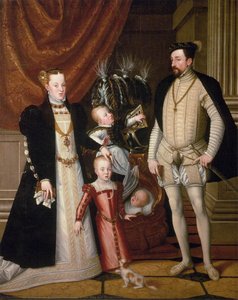
Ver en contexto
 Enviar
 Compartir
 Detalles
 Guía
Guía

 Descargar
 Similares
 Radiografía
 Presentación de diapositivas
 Q&A
Q&A Estadísticas
Self-Portrait on Paper

- 442.0 x 318.0 cm


 Ver más
Giclée / Impresión de arte
Impresiones giclée o en lienzo de calidad de museo con producción rápida y opciones de acabado flexibles. ( Comprar pintura hecha a mano Cambiar a imagen digital)




P118B €10

P118H €10

P118W €10

P438Z €10

P508JH €12

P508YH €12

P805H €10

P805Z €10

P919BZ €10

P919G €10

P919XJ €10

P959ZH €10

P968JZ €12

W106C €8

W218G €10

W218JH €8

W218Y €10

W307PJ €10

W316G €10

W316PJ €8

W316Y €10

W398PJ €8

W4111J €10

W500HY €15

W500JH €15

W692G €12

W849H €8

W940BG €15

W953PJ €8




Elija entre nuestros tamaños predefinidos que respetan las proporciones originales de la obra.

Introduzca el ancho y el alto que necesite para adaptarse a su marco o pared. Una impresión solo puede recortarse, nunca hacerse más grande que la imagen original, por lo que un tamaño con una forma distinta perderá parte de la obra. Le enviaremos una maqueta digital para su aprobación antes de realizar cualquier impresión. La imagen que se muestra en esta página no refleja el recorte real; solo la maqueta lo hace.
Envío a todo el mundo () en 2 semanas en lugar de las 4/5 semanas estándar. (2 noviembre)

Envío exprés gratuito a todo el mundo

Lienzo de lino de alta calidad

Seguro de envío total

Garantía de reembolso de aranceles aduaneros

Garantía de fidelidad cromática exacta

Política de devolución de 100 días (solo por defectos)

Garantía de devolución del 100% del dinero

Descuento por cantidad
 La opción de vidrio solo está disponible en tamaños inferiores a 110 cm.

Self-Portrait on Paper
Giclée / Impresión de arte
Dimensiones de la reproducción
-


Precio total final
€ 71
Giuseppe Arcimboldo’s “Self-Portrait on Paper”: A Renaissance Riddle
Giuseppe Arcimboldo (1527-1593), a Milanese Mannerist artist, stands apart from his contemporaries not merely for his innovative technique but for the sheer audacity of his artistic vision. While many painters of the era meticulously replicated classical ideals of beauty and proportion—a pursuit driven by humanist scholarship and papal patronage—Arcimboldo dared to challenge convention with a singular preoccupation: transforming recognizable human forms into fantastical assemblages of natural objects.
His “Self-Portrait on Paper,” created in 1587, exemplifies this approach perfectly. Executed in brown ink on paper, the drawing is deceptively simple at first glance. However, upon closer inspection, it reveals a masterful manipulation of perspective and detail that underscores Arcimboldo’s profound understanding of artistic principles.
- Style & Technique: Arcimboldo's style is undeniably Mannerist—characterized by exaggerated forms, stylized drapery, and an emphasis on decorative effects. He employs meticulous hatching and cross-hatching to create textures that convincingly mimic the surfaces of his chosen materials – fruits, vegetables, flowers, books, and musical instruments. The artist’s skill lies in seamlessly blending these disparate elements into a unified composition.
- Historical Context: Arcimboldo's work emerged during a period of intense intellectual debate concerning humanism versus scholasticism. He responded to this challenge by elevating the natural world—a cornerstone of Renaissance thought—to the forefront of artistic representation. The portrait served as a commentary on the artist’s own identity and, symbolically, on the broader humanist preoccupation with integrating disparate disciplines into a cohesive whole.
- Symbolism & Composition: The arrangement itself is laden with symbolic significance. Arcimboldo meticulously crafted each component to mirror facial features—the lips represented by cherries, the nose by apples, the eyes by plums, and the ear by a trumpet mouthpiece. The drapery of robes mimics folds of fabric, while rolled-up paper strips evoke the ruff worn by noblemen.
- Emotional Impact: Beyond its technical brilliance, “Self-Portrait on Paper” possesses an undeniable emotional resonance. Arcimboldo’s deliberate distortion of form invites contemplation about perception and illusion—forcing viewers to actively engage in decoding the visual language of his artwork. The resulting image is both unsettling and captivating, prompting reflection on themes of metamorphosis and self-awareness.
Displayed prominently in Palazzo Rosso (Genoa), Italy, Arcimboldo’s “Self-Portrait on Paper” continues to inspire admiration for its inventive artistry and intellectual depth. It stands as a testament to the Renaissance spirit—a willingness to embrace paradoxes and explore uncharted artistic territories.
Preguntas y respuestas
¿Qué lugar ocupa "Self-Portrait on Paper" entre los temas recurrentes de Giuseppe Arcimboldo?
Entre los temas recurrentes de Giuseppe Arcimboldo —botanical symbolism & illusion, human form transfiguration, renaissance intellectual debate, arcimboldo’s surreal vision, iconic portrait mastery— "Self-Portrait on Paper" aporta su propio enfoque sobre composite head, fruit arrangement, renaissance art, portrait painting, symbolism, italian renaissance, arcimboldo style.
¿Puedo examinar "Self-Portrait on Paper" con más detalle?
La página Radiografía de "Self-Portrait on Paper" de Giuseppe Arcimboldo es un visor interactivo que permite explorar once capas ópticas de la obra, incluyendo una vista de estilo radiografía.
¿Es "Self-Portrait on Paper" de Giuseppe Arcimboldo de dominio público?
Información sobre los derechos de autor de "Self-Portrait on Paper" de Giuseppe Arcimboldo: la obra es en el dominio público: sus derechos de autor han expirado. Esto determina si las reproducciones de la imagen pueden realizarse libremente.
Biografía del artista
Primeros años y carrera
Giuseppe Arcimboldo, un renombrado pintor italiano, nació en 1527 en Milán, Italia. Su padre, Biagio Arcimboldo, también era artista, lo que probablemente influyó en el temprano interés de Giuseppe por el arte. A la edad de 21 años, Arcimboldo comenzó su carrera como diseñador para vidrieras y frescos en catedrales locales.Pintor de la corte para los Habsburgo
En 1562, Arcimboldo se convirtió en retratista de la corte de Fernando I en la corte habsburga de Viena, Austria. Posteriormente sirvió como pintor de Maximiliano II y su hijo Rodolfo II en la corte de Praga. Este período de su vida está marcado por su trabajo como decorador de la corte y diseñador de vestuario.La obra maestra manierista: retratos de objetos
El trabajo convencional de Arcimboldo sobre temas religiosos tradicionales ha sido en gran medida olvidado, pero sus retratos hechos con objetos como frutas, verduras, flores, criaturas marinas y raíces de árboles continúan fascinando a los entusiastas del arte. Estas obras, caracterizadas por su uso de objetos cotidianos para crear formas anatómicas humanas, no eran meramente decorativas sino que también transmitían un significado más profundo.- "El Bibliotecario", un retrato hecho con objetos que significan la cultura del libro de la época, no era solo una creación caprichosa, sino también una crítica a los individuos ricos que coleccionaban libros sin leerlos.
- Estas obras no eran aleatorias; cada objeto se elegía cuidadosamente para relacionarse con la caracterización del sujeto.
Estilo artístico y legado
El estilo artístico de Arcimboldo, aunque a menudo debatido como caprichoso o producto de una mente perturbada, es visto en gran medida por los académicos como un catering al gusto renacentista por acertijos, rompecabezas y lo bizarro. Su uso de objetos para crear formas humanas era un aspecto único de su trabajo, que lo diferenciaba de otros artistas manieristas. Obras notables:- "Bodegón floral" (1590), una pintura que encarna el movimiento artístico del manierismo italiano, es un ejemplo icónico del estilo único de Arcimboldo.
- "Los cuatro estaciones", un retrato compuesto de Rodolfo II, muestra la maestría de Arcimboldo en el arte manierista.
Museos y colecciones
Las obras de Arcimboldo se pueden encontrar en varios museos, incluido el Kunsthistorisches Museum en Viena y el Schloss Ambras Habsburgo en Innsbruck.
Giuseppe Arcimboldo
1527 - 1593 , Italia
Datos clave
- Estilo Artístico: Manierismo
- Fecha De Nacimiento: 1527
- Lugar De Nacimiento: Milán, Italia
- Nacionalidad: Italiana
- Nombre Completo: Giuseppe Arcimboldo
- Obras Notables:
- El Bibliotecario
- El Fuego
- Vertumnus (Vertumno)
- Primavera
- Vida Floral Silvestre
- Otoño
- Aire
Artículos relacionados
El Legado Duradero de la Escultura en Bronce: Historia, Técnicas e Interpretaciones Contemporáneas
Descubra la historia, las técnicas y el valor de la escultura en bronce. Guía experta para coleccionistas e inversores. Explore obras maestras y aprenda sobre fundición a la cera perdida.

Más allá de la forma: Un análisis técnico y estético sobre la evolución de la escultura
Descubre la evolución técnica y estética de la escultura, desde el bronce hasta el modernismo. Explora la maestría de la forma ahora.

The Enduring Form: Exploring Themes & Techniques in Sculpture Across Historical Periods
Explore the rich history of sculpture from ancient masterpieces to contemporary innovations. Discover key techniques, influential artists & investment potential for discerning art collectors.

Las 10 Obras Maestras de Bronce que Revolucionaron la Historia del Arte | OriginalUniqueArt
Descubre las 10 esculturas de bronce más influyentes de la historia del arte. Explora obras maestras de Rodin, Degas y otros genios. Encuentra reproducciones de arte de calidad museo en OriginalUniqueArt.com.

Esculturas de Bronce Legendarias: 10 Obras Maestras que Transformaron el Arte | OriginalUniqueArt
Descubre las 10 esculturas de bronce más legendarias que revolucionaron el arte. Explora la historia de Rodin, Degas y otros maestros del bronce. Encuentra reproducciones de alta calidad e inspiración para tu hogar en OriginalUniqueArt.com.