

 Ver en contexto
 Enviar
 Compartir
 Detalles

 Descargar
 Similares
 Radiografía
 Presentación de diapositivas
 Estadísticas
Madonna and Child
 Oil On Canvas
- WallArt
- Mannerist Painting
 1522
1522 37.0 x 30.0 cm
 Galleria Nazionale d’Arte Antica
 Ver más
Reproducción al óleo hecha a mano
Óleo sobre lienzo pintado a mano en el tamaño y marco de su elección, realizado por encargo por nuestros artistas. ( Cambiar a Impresión Cambiar a imagen digital)




P118B $10

P118H $10

P118W $10

P438Z $10

P508JH $12

P508YH $12

P805H $10

P805Z $10

P919BZ $10

P919G $10

P919XJ $10

P959ZH $10

P968JZ $12

W106C $8

W218G $10

W218JH $8

W218Y $10

W307PJ $10

W316G $10

W316PJ $8

W316Y $10

W398PJ $8

W4111J $10

W500HY $15

W500JH $15

W692G $12

W849H $8

W940BG $15

W953PJ $8




Elija entre nuestros tamaños predefinidos que respetan las proporciones originales de la obra.

Puede ingresar sus propias dimensiones para adaptarse a un marco o espacio específico. Si el tamaño seleccionado no coincide con las proporciones de la imagen original, recortaremos la obra o extenderemos la pintura con elementos adicionales pintados a mano. Se le enviará una maqueta digital para su aprobación antes de comenzar la producción.
Tenga en cuenta que la vista previa en pantalla no refleja el recorte o la extensión reales. Solo la maqueta mostrará con precisión la composición final.
Si bien existen tamaños personalizados, recomendamos seleccionar una dimensión de la lista predefinida para preservar las proporciones originales.
Tras realizar el pedido, el equipo de OriginalUniqueArt.com enviará un correo electrónico al cliente para solicitar instrucciones y proporcionarle una vista previa del boceto.
Envío a todo el mundo () en 3-4 semanas en lugar de las 5 semanas estándar. (11 septiembre). Sin comprometer la calidad.

Envío exprés gratuito a todo el mundo

Lienzo de lino de alta calidad

Seguro de envío total

Garantía de reembolso de impuestos aduaneros

Garantía de fidelidad cromática exacta

Política de devolución de 100 días (solo por defectos)

Garantía de devolución del 100% del dinero

Descuento por cantidad
 La opción de vidrio solo está disponible en tamaños inferiores a 110 cm.

Madonna and Child
Técnica de reproducción
Dimensiones de la reproducción
-


Precio total final
$ 300
Giulio Romano’s Madonna and Child: A Roman Masterpiece of Grace and Mystery
Giulio Romano's Madonna and Child, a captivating work housed within the esteemed collection of The Walters Art Museum in Baltimore, offers a profound glimpse into the heart of the Italian Renaissance. More than simply a depiction of the Virgin Mary cradling her infant son, this painting is a testament to Romano’s evolving artistic vision – a synthesis of Raphael's influence and his own burgeoning Mannerist style, reflecting a pivotal moment in art history. Completed around 1522-23 during his time in Mantua, it embodies a delicate balance between idealized beauty and subtly unsettling psychological depth.
The painting’s composition immediately draws the eye to the central figures: Mary, rendered with an exquisite blend of serenity and vulnerability, holds her child close. The infant Jesus, depicted not as a fully grown figure but as a miniature adult, gazes directly at the viewer – a deliberate choice that fosters a powerful sense of intimacy and connection. His pose, reminiscent of classical sculptures, subtly hints at his future role as the Lamb of God, foreshadowing his sacrifice. The surrounding architectural setting, a simplified yet evocative interior space, is not merely decorative; it serves to frame the scene and imbue it with a quiet dignity. The parapet at the bottom of the painting, a feature uncommon in earlier Italian works, creates an illusion of depth, drawing the viewer into the intimate world of the Madonna and Child.
The Shadow of Raphael and the Rise of Mannerism
Giulio Romano’s artistic journey is inextricably linked to that of his master, Raphael. He apprenticed under the great painter in Rome, absorbing not only technical skills but also a deep appreciation for classical ideals and harmonious composition. However, Romano quickly began to diverge from Raphael's High Renaissance style, embracing the principles of Mannerism – a movement characterized by elongated figures, distorted perspective, and an emphasis on emotional expression over strict realism. This shift is particularly evident in Madonna and Child, where the figures possess a heightened sense of elegance and dynamism compared to the more balanced compositions favored by Raphael.
The influence of Leonardo da Vinci is also palpable. Romano’s use of sfumato – a technique involving subtle gradations of tone to create a hazy, atmospheric effect – contributes to the painting's ethereal quality. Furthermore, the careful attention to detail in rendering fabrics and textures, combined with the delicate modeling of the figures, demonstrates Romano’s mastery of oil paint—a medium he skillfully employed to achieve remarkable luminosity and depth.
Symbolism and Spiritual Resonance
Beyond its aesthetic beauty, Madonna and Child is rich in symbolic meaning. The presence of St. John the Baptist, depicted as a young boy gazing at Christ with reverence, underscores the narrative arc of salvation – from innocence to sacrifice. The Lamb, held by Jesus, is a potent symbol of his future role as the sacrificial lamb, offering redemption for humanity. The muted color palette—primarily blues and browns—evokes a sense of solemnity and contemplation, inviting viewers to reflect on themes of faith, love, and mortality.
The choice of a domestic setting, rather than a grand landscape, further enhances the painting’s emotional impact. It suggests that the Madonna and Child are not distant figures but intimately connected members of a family—a powerful reminder of the nurturing role of Mary in the Christian faith. The overall effect is one of profound tenderness and spiritual resonance, inviting viewers to connect with the timeless themes explored within this masterpiece.
A Legacy of Artistic Innovation
Giulio Romano’s Madonna and Child stands as a pivotal work in the transition from High Renaissance to Mannerism. It showcases his evolving artistic style—a synthesis of Raphael's influence and his own innovative approach to composition, form, and color. The painting’s enduring appeal lies not only in its technical brilliance but also in its profound emotional depth and symbolic richness. It remains a testament to Romano’s genius and a captivating example of the transformative power of art.
Biografía del artista
Vida Temprana y Formación
- Nacido: Roma, Italia (c. 1499)
- Fallecido: 1 de noviembre de 1546
- Los detalles de su vida temprana son escasos, pero comenzó su carrera artística en Roma.
- Fue alumno de Rafael, convirtiéndose en un pintor y arquitecto habilidoso.
- Tras la muerte de Rafael en 1520, Giulio Romano se hizo cargo de muchos proyectos inconclusos, incluida la decoración de Villa Madama para el cardenal Giuliano de’ Medici.
Desarrollo del Estilo Manierista
- Giulio Romano es conocido principalmente por sus contribuciones al estilo manierista.
- Su estilo se apartó del clasicismo del Alto Renacimiento.
- Las pinturas y los frescos a menudo presentan asimetría, tensión e inestabilidad en lugar de equilibrio y armonía.
- Influenciado por Miguel Ángel y otros artistas de su tiempo.
- Cada vez se volvió indispensable para Rafael, modificando planes y creando la primera declaración del manierismo a gran escala en Roma.
Obras Principales y Logros
- El Incendio del Borgo: Un fresco pintado para las Stanze Vaticane de Rafael.
- Techo abovedado (Detalle): Un fresco en el Palazzo Te.
- Palazzo del Tè (Mantua): Diseñado y decorado con frescos ilusionistas, mostrando sus habilidades arquitectónicas y artísticas. Esta es considerada su obra más importante.
- Villa Madama: Decoró esta villa renacentista para el cardenal Giuliano de' Medici.
- Se convirtió en pintor y arquitecto de la corte de Federigo Gonzaga en 1524, dirigiendo prácticamente toda la actividad artística en Mantua.
Influencias y Significado Histórico
- Rafael: La formación temprana de Giulio Romano bajo Rafael moldeó significativamente su base artística.
- Miguel Ángel: La influencia del trabajo de Miguel Ángel contribuyó al desarrollo de su estilo manierista.
- Se le considera una figura clave en la transición del Alto Renacimiento al manierismo.
- Sus dibujos fueron muy valorados, y las impresiones contemporáneas grabadas por Marcantonio Raimondi ayudaron a difundir los estilos artísticos italianos por toda Europa.
- El legado de Giulio Romano se puede ver en artistas posteriores que adoptaron su estilo y técnicas.
Vida Posterior y Legado
- Después de la muerte de Rafael, Giulio heredó la dirección del taller del maestro y completó muchos de sus proyectos.
- Era tan famoso después de su muerte que es el único artista "moderno" mencionado por Shakespeare en una obra de teatro.
- Su trabajo demuestra un cambio alejándose de los ideales renacentistas hacia formas más dinámicas y expresivas.
- Las contribuciones de Giulio Romano al manierismo consolidaron su lugar como una figura influyente en la historia del arte.

Giulio Romano
1499 - 1546 , Italia
Datos clave
- Artistas Influenciados: ['Artistas manieristas posteriores']
- Artistas Que Influyeron:
- Rafael
- Miguel Ángel
- Fecha De Fallecimiento: 1546
- Fecha De Nacimiento: c. 1499
- Lugar De Nacimiento: Roma, Italia
- Movimiento Artístico: Manierismo
- Nacionalidad: Italiana
- Nombre Completo: Giulio Romano
- Obras Notables:
- El incendio del Borgo
- Techo abovedado (detalle)
- Palazzo del Tè
Artículos relacionados

John Constable: Las 25 Obras Maestras del Paisaje Inglés | OriginalUniqueArt
Descubre las 25 obras maestras de John Constable, el pintor romántico inglés que capturó la belleza del paisaje. Explora su técnica, historia y significado en OriginalUniqueArt.com. Reproducciones de arte de alta calidad para tu hogar.

John Singer Sargent: Las 25 Obras Maestras del Retrato y la Belle Époque | OriginalUniqueArt
Descubre las 25 obras maestras de John Singer Sargent, el maestro del retrato y la Belle Époque. Explora su técnica impresionista, historias fascinantes y encuentra reproducciones de arte exclusivas para decorar tu hogar con elegancia en OriginalUniqueArt.com.
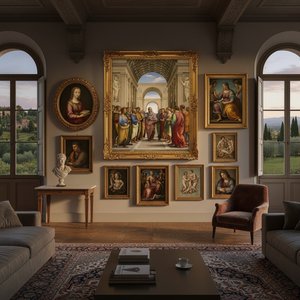
Rafael: Las 25 Obras Maestras que Definen al Genio del Renacimiento | OriginalUniqueArt
Descubre las 25 obras maestras de Rafael Sanzio, el genio del Renacimiento. Explora su historia, técnica y significado en pinturas icónicas como 'La Escuela de Atenas'. Reproducciones de arte de alta calidad para decorar tu hogar con elegancia. ¡Explora la colección completa en OriginalUniqueArt.com!
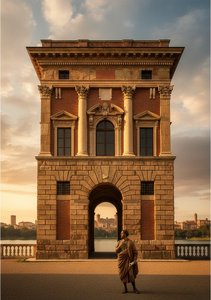
Giulio Romano: A Master of Mannerism & the Palazzo Te Legacy
Explore the revolutionary art of Giulio Romano, master of Mannerism & architect of Palazzo Te. Discover his influence, investment potential, and stunning frescoes – a guide for discerning collectors.

El Greco: Las 25 Obras Maestras que Definen un Genio del Arte y la Fe
Descubre las 25 obras maestras de El Greco, el genio del Renacimiento español. Explora su arte religioso, manierismo y la historia detrás de cuadros icónicos como 'El Entierro del Conde de Orgaz'. Encuentra reproducciones de alta calidad en OriginalUniqueArt.com.


