
 Vista previa
 Compartir
 Compartir
 Ver detalles

 Descargar
 Ver similares
 Radiografía
 Presentación de diapositivas
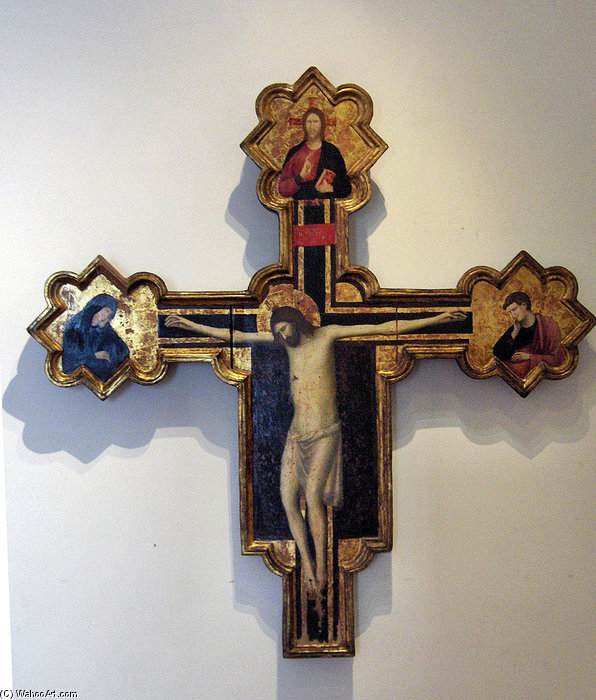
Crocifisso Datato
 Leer más
Adquiera una imagen digital de alta resolución y optimizada, muy superior a la vista previa en línea.
Cada archivo es preparado meticulosamente por nuestros especialistas internos mediante el uso de herramientas avanzadas y un experto retoque manual. Nos aseguramos de que cada imagen posea una claridad excepcional, una precisión cromática impecable y un detalle minucioso.
El archivo final se entrega por correo electrónico en un plazo de 72 horas, optimizado para su uso inmediato en entornos profesionales, editoriales y de impresión. Esta es la misma calidad en la que confían los estudios de diseño, las editoriales y las galerías de primer nivel.
Imagen Digital
Descarga un archivo de alta resolución para exhibición personal, impresión y proyectos creativos. ( Pedir impresión Encargar reproducción pintada a mano)
Incluido en cada compra de imágenes digitales
Entrega digital experta, garantizada.
Al elegir OriginalUniqueArt.com, no solo está adquiriendo una imagen; está recibiendo una obra de arte digital mejorada profesionalmente, elaborada con precisión y respaldada por una garantía de satisfacción. Esto es todo lo que incluye su pedido, automáticamente:

Entrega rápida por email
Recibirá su archivo de imagen digital en alta resolución por correo electrónico en un plazo de 72 horas tras realizar su pedido, listo para su uso inmediato.

Archivo digital optimizado por IA
Su obra de arte se optimiza profesionalmente mediante herramientas avanzadas de IA y edición manual, garantizando el máximo detalle, claridad y precisión cromática.

Reenvío gratuito de por vida
¿Has borrado o perdido tu archivo por error? No te preocupes: te lo volveremos a enviar en cualquier momento, sin coste adicional.

Sin gastos de importación, siempre
Disfrute de su obra de arte al instante sin aduanas, aranceles ni gastos de envío; las descargas digitales siempre están libres de impuestos.

Garantía de precisión de color
Garantizamos que su imagen digital refleje los colores originales con la mayor fidelidad posible, mediante el uso de herramientas profesionales y gestión del color.

Garantía de satisfacción de 60 días
Si no está satisfecho con su imagen digital, la revisaremos o le reembolsaremos el 100% en un plazo de 60 días, sin preguntas.

100% Garantía de devolución de dinero
¿No está satisfecho? Obtenga un reembolso completo dentro de los 60 días posteriores a la recepción de su archivo digital, sin necesidad de explicaciones.

Descuentos por volumen
Compra 3 imágenes, ahorra 10% - Compra 5, ahorra 15% - Compra 10+, ahorra 20%. Ideal para proyectos creativos, galerías y agencias.
Biografía del artista
A Life Emerging from the Shadows: Giovanni Francesco da Rimini
Giovanni Francesco da Rimini, a name that resonates softly within the annals of Renaissance painting, represents a fascinating case study in artistic attribution and rediscovery. Born around 1420 in the vibrant city of Rimini, nestled along the Adriatic coast of Italy, he initially existed as little more than a stylistic label – “The Master of the Scenes from the Life of the Virgin” – until diligent scholarship began to piece together his biography through fragmented archival records and compelling artistic evidence. His story is not one of meteoric rise or groundbreaking innovation, but rather a testament to consistent skill, devout artistry, and a subtle yet significant contribution to the religious painting of his time.Early Training and Artistic Wanderings
The details of Giovanni Francesco’s early training remain elusive, shrouded in the typical obscurity that often surrounds artists predating widespread biographical documentation. It is believed he began his artistic journey within the local workshops of Rimini, absorbing the prevailing northern Italian traditions characterized by a blend of lingering Gothic sensibilities and the nascent stirrings of Renaissance naturalism. By 1441, documents place him in Padua, a crucial center for artistic exchange under the influence of Francesco Squarcione, whose workshop fostered a revivalist interest in classical antiquity. This period likely exposed Giovanni Francesco to a broader range of influences, shaping his developing style and technical approach. His movements continued, with repeated appearances in Bologna between 1459 and 1469, where he undertook numerous commissions for church altarpieces and devotional panels. These travels weren’t merely geographical shifts; they were immersions into diverse artistic climates, each leaving an imprint on his evolving oeuvre.A Style of Quiet Devotion
Giovanni Francesco da Rimini's paintings are immediately recognizable by their distinctive character – a quiet devotion that permeates every brushstroke. He primarily worked in egg tempera on wood panels, favoring intimate compositions centered around the Virgin and Child. His figures possess a gentle grace, with fair complexions, large expressive eyes, and an overall sense of serene piety. While contemporaries were experimenting with dramatic perspective and anatomical precision, Giovanni Francesco remained largely faithful to established conventions. This isn’t to suggest a lack of skill; rather, his mastery lay in refining existing traditions, imbuing them with a delicate emotionality and meticulous attention to detail. His use of gold leaf adds a luminous quality to his works, enhancing the spiritual atmosphere and emphasizing the sacred nature of his subjects. The architectural settings within his paintings – often featuring classical arches and columns – provide a dignified backdrop for these tender scenes, evoking a sense of timeless reverence.Influences and Artistic Connections
Pinpointing specific influences on Giovanni Francesco’s work is a complex undertaking. While the impact of Squarcione's workshop in Padua is evident, particularly in his early works, he also demonstrates an awareness of other regional styles. Some scholars have noted connections to Bonfigli, whose influence can be seen in certain aspects of his composition and color palette. More intriguingly, the sculptures of Agostino di Duccio appear to have informed his depictions of depth and form, suggesting a broader engagement with contemporary sculptural practices. However, Giovanni Francesco never fully embraced the radical innovations of artists like Mantegna or Piero della Francesca. His style occupies a unique position – a bridge between the Gothic past and the burgeoning Renaissance, characterized by a conservative approach that prioritized religious piety over groundbreaking naturalism.Legacy and Historical Significance
Giovanni Francesco da Rimini died in Bologna around 1469, leaving behind a relatively small but remarkably consistent body of work. For centuries, his paintings were attributed to various anonymous masters, their authorship lost to the passage of time. It wasn’t until the early 20th century that Corrado Ricci began to systematically identify and attribute works to “Hovanes Franciscus da Rimino,” initiating a process of rediscovery that continues today. While he may not be a household name like Leonardo or Michelangelo, Giovanni Francesco's contribution to Renaissance art is significant. He represents the often-overlooked artists who sustained regional traditions, catering to the devotional needs of private patrons and contributing to the rich tapestry of Italian painting beyond the major artistic centers of Florence and Venice. His works offer a poignant glimpse into the spiritual life of the 15th century, reminding us that beauty and devotion can flourish even in the shadows of more celebrated masters. His paintings are not about revolution; they are about reverence.
giovanni francesco da rimini
1425 - 1470

