

 Ver en contexto
 Enviar
 Compartir
 Detalles

 Descargar
 Similares
 Radiografía
 Presentación de diapositivas
 Estadísticas
Pietà
 Oil On Panel
- WallArt
- Early Renaissance
 1472
1472- Renaissance
 115.0 x 317.0 cm
 Palacio del Dogo
 Ver más
Giclée / Impresión de arte
Impresiones giclée o en lienzo de calidad de museo con producción rápida y opciones de acabado flexibles. ( Comprar pintura hecha a mano Cambiar a imagen digital)




P118B $10

P118H $10

P118W $10

P438Z $10

P508JH $12

P508YH $12

P805H $10

P805Z $10

P919BZ $10

P919G $10

P919XJ $10

P959ZH $10

P968JZ $12

W106C $8

W218G $10

W218JH $8

W218Y $10

W307PJ $10

W316G $10

W316PJ $8

W316Y $10

W398PJ $8

W4111J $10

W500HY $15

W500JH $15

W692G $12

W849H $8

W940BG $15

W953PJ $8




Elija entre nuestros tamaños predefinidos que respetan las proporciones originales de la obra.

Puede introducir sus propias dimensiones para adaptarse a un marco o espacio específico. Si el tamaño seleccionado no coincide con las proporciones de la imagen original, recortaremos la obra de arte o extenderemos la imagen con un borde con efecto espejo o de color sólido. Se enviará una maqueta digital para su aprobación antes de que comience la producción.
Tenga en cuenta que la vista previa en pantalla no refleja el recorte o la extensión real. Solo la maqueta mostrará con precisión la composición final.
Aunque existen tamaños personalizados, recomendamos seleccionar una dimensión de la lista predefinida para preservar las proporciones originales.
Envío a todo el mundo () en 2 semanas en lugar de las 4/5 semanas estándar. (12 septiembre)

Envío exprés gratuito a todo el mundo

Lienzo de lino de alta calidad

Seguro de envío total

Garantía de reembolso de impuestos aduaneros

Garantía de fidelidad cromática exacta

Política de devolución de 100 días (solo por defectos)

Garantía de devolución del 100% del dinero

Descuento por cantidad
 La opción de vidrio solo está disponible en tamaños inferiores a 110 cm.

Pietà
Giclée / Impresión de arte
Dimensiones de la reproducción
-


Precio total final
$ 80
A Masterpiece of Venetian Sorrow
In the quiet, somber depths of Giovanni Bellini’s Pietà, we encounter one of the most profound expressions of grief captured during the early Italian Renaissance. Painted around 1472, this evocative work transcends a mere religious depiction to become a universal meditation on loss and devotion. The composition centers on the heavy, lifeless form of Christ being lowered onto the lap of John the Evangelist, a moment of transition that captures the very breath of human tragedy. Within its arched frame, the scene unfolds with a monumental stillness, inviting the viewer to step into a sacred space where time seems to suspend itself in reverence.
Bellini, a titan of the Venetian school, utilizes a masterful command of light and shadow to breathe life into the inanimate. The technique involves a sophisticated layering of oil paints on wood panel, a method that allows for a rich, luminous texture. This approach creates a dramatic chiaroscuro effect, where deep, velvety shadows press against soft, radiant highlights, emphasizing the anatomical precision of Christ’s body and the heavy, sculptural folds of the drapery. The color palette is intentionally restrained, relying on muted ochres, earthy browns, and deep reds to cultivate an atmosphere of solemnity and weight, ensuring that nothing distracts from the raw emotional gravity of the subject matter.
Symbolism and the Renaissance Spirit
Beyond its technical brilliance, the Pietà is a tapestry of theological symbolism. The presence of John the Evangelist serves as a powerful emblem of faith and steadfastness, his posture reflecting the shared burden of sorrow. Every element within the frame—from the architectural hints that suggest a larger, sacred world to the way the light falls upon the wounded flesh—is designed to evoke a sense of divine presence amidst human suffering. Bellini bridges the gap between the rigid traditions of Byzantine iconography and the burgeoning humanism of his era, infusing the figures with a palpable, breathing humanity that was revolutionary for its time.
For the discerning collector or interior designer, this reproduction offers more than just a visual centerpiece; it provides an emotional anchor. The artwork’s classical structure and balanced composition make it an exquisite addition to spaces that demand sophistication and depth. Whether placed in a grand gallery setting or a contemplative study, the Pietà commands attention through its quiet strength. It is a piece that does not merely decorate a wall but enriches the very soul of a room, offering a timeless window into the heights of Renaissance mastery and the enduring power of human emotion.
Biografía del artista
Primeros años y carrera
Giovanni Bellini, un destacado pintor del Renacimiento veneciano, nació alrededor de 1433 en Venecia. Fue criado en el hogar de Jacopo Bellini, que antes se creía su padre, pero ahora se considera su hermano mayor. Las primeras obras de Giovanni se caracterizan por una profunda religiosidad y un sentimiento humano, como se ve en su pintura *San Jerónimo en el desierto* (ahora en la Galería Nacional, Londres).Ascenso a la prominencia
El estilo artístico de Giovanni evolucionó con el tiempo, y finalmente se hizo conocido por sus colores suntuosos y paisajes atmosféricos fluidos. Su obra tuvo un impacto significativo en la escuela veneciana de pintura, particularmente en sus alumnos Giorgione y Tiziano. Giovanni recibió su primer nombramiento para trabajar junto a su hermano Gentile Bellini y otros artistas en la Scuola di San Marco en 1470.Obras notables y legado
- *La Transfiguración* (ahora en el Museo de Capodimonte de Nápoles) muestra el estilo maduro de Giovanni, con un espíritu sereno y poderes maduros.
- *La Coronación de la Virgen* (en Pesaro) demuestra su esfuerzo temprano en una forma de arte previamente dominada por la escuela rival de los Vivarini.
- Las funciones de Giovanni como conservador de las pinturas en el gran salón del Palacio Ducal (1479-1480) consolidaron aún más su reputación como maestro pintor.
Estilo artístico e influencia
El uso de Giovanni de pinturas al óleo claras y de secado lento creó tonos profundos y ricos y sombreados detallados, revolucionando la pintura veneciana. Su obra puede caracterizarse por:-
Estilo sensorial y colorista
- Colores suntuosos y paisajes atmosféricos fluidos
- Influencia en la escuela de pintura veneciana y sus alumnos Giorgione y Tiziano
Referencias
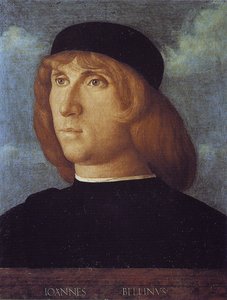
Giovanni Bellini
1433 - 1516 , Italia
Datos clave
- Artistas Influenciados:
- Giorgione
- Tiziano
- Artistas Que Influyeron:
- Jacopo Bellini
- Gentile Bellini
- Fecha De Nacimiento: c. 1433
- Lugar De Nacimiento: Venecia, Italia
- Movimiento Artístico: Renacimiento veneciano
- Nacionalidad: Italiana
- Nombre Completo: Giovanni Bellini
- Obras Notables:
- Transfiguración
- Coronación de la Virgen
- San Sebastián
- Madonna degli Alberetti
- Cristo Muerto Apoyado por Ángeles
Artículos relacionados

The Enduring Legacy of Oil on Canvas: Technique, History & Aesthetic Impact
Explore the rich history & techniques of oil painting – from Renaissance masters to Impressionism. Discover pigments, layering methods, and why this timeless medium endures. Expert insights for artists & art enthusiasts.
Jacopo Tintoretto: Las 25 Obras Maestras del Genio Veneciano | Arte y Decoración en OriginalUniqueArt
Descubre las 25 obras maestras de Jacopo Tintoretto, el genio veneciano del Renacimiento. Explora su arte dramático, composiciones innovadoras y paleta vibrante. Reproducciones de alta calidad en OriginalUniqueArt.com para transformar tu hogar.

The Enduring Power of Painting: A Historical & Contemporary Exploration of Form and Emotion
Explore the rich history & enduring techniques of oil painting with OriginalUniqueArt. Discover masterpieces, learn about art collecting, and find authentic handmade reproductions crafted by skilled artists.
Golden Light & Rich Color: The Timeless Magic of Venetian Renaissance Art
Explore the luminous beauty of Venetian Renaissance art. Discover how masters like Titian used colorito and golden light to redefine painting through texture, emotion, and atmospheric brilliance in a masterclass of historical artistry.

Venetian Renaissance: The Mastery of Color, Light, and the Art of Colorito
Explore the luminous mastery of the Venetian Renaissance. Discover how masters like Titian and Giorgione revolutionized art through colorito, light, and atmosphere. An expert guide to the golden age of Italian painting for collectors and enthusiasts.


