

 Vista previa
 Compartir
 Compartir
 Ver detalles
 Guía
Guía

 Descargar
 Ver artículos similares
 Radiografía
 Presentación de diapositivas
 Estadísticas
Santo Pablo
 Acrílico sobre lienzo
- Arte de pared
- Proto-Renaissance
 1300
1300- Renacimiento
 Museo Tesoro de la Basílica de San Francisco en Asís
 Leer más
Giclée / Impresión de arte
Impresiones giclée o en lienzo de calidad de museo con producción rápida y opciones de acabado flexibles. ( Encargar reproducción pintada a mano Ver versión en imagen digital)




P118B €10

P118H €10

P118W €10

P438Z €10

P508JH €12

P508YH €12

P805H €10

P805Z €10

P919BZ €10

P919G €10

P919XJ €10

P959ZH €10

P968JZ €12

W106C €8

W218G €10

W218JH €8

W218Y €10

W307PJ €10

W316G €10

W316PJ €8

W316Y €10

W398PJ €8

W4111J €10

W500HY €15

W500JH €15

W692G €12

W849H €8

W940BG €15

W953PJ €8




Elija entre nuestros tamaños predefinidos que respetan las proporciones originales de la obra.

Introduzca el ancho y el alto que necesite para adaptarse a su marco o pared. Una impresión solo puede recortarse, nunca hacerse más grande que la imagen original, por lo que un tamaño con una forma distinta perderá parte de la obra. Le enviaremos una maqueta digital para su aprobación antes de realizar cualquier impresión. La imagen que se muestra en esta página no refleja el recorte real; solo la maqueta lo hace.
Envío a todo el mundo () en 2 semanas en lugar de las 4/5 semanas estándar. (23 octubre)

Envío exprés gratuito a todo el mundo

Lienzo de lino de alta calidad

Seguro de envío completo

Garantía de reembolso de impuestos aduaneros

Garantía de fidelidad cromática exacta

Política de devolución de 100 días (solo por defectos)

Garantía de devolución del 100% del dinero

Oferta por volumen
 La opción de vidrio solo está disponible en tamaños inferiores a 110 cm.

Santo Pablo
Giclée / Impresión de arte
Tamaño de la reproducción
-


Precio total
€ 70
A Glimpse of Divinity: Giotto’s St. Paul
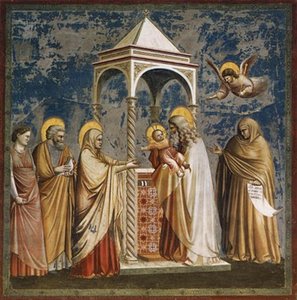
Giotto di Bondone's “St. Paul,” created around 1300, is not merely a depiction of an Apostle; it’s a profound exploration of faith and the nascent humanism that would come to define the Renaissance. This fresco fragment, originally part of a larger cycle adorning the Basilica of Saint Francis in Assisi, offers a captivating encounter with one of Christianity's most pivotal figures. What immediately strikes the viewer is not simply the representation of St. Paul, but the startlingly direct gaze – an invitation to communion that transcends centuries. Giotto doesn’t present us with a distant saint enshrined in ethereal glory; he presents a man, imbued with spiritual authority yet palpably human.
Breaking from Byzantine Tradition
To fully appreciate “St. Paul,” one must understand the artistic landscape of its time. The 13th century was still largely dominated by the Byzantine style – characterized by flattened figures, gold backgrounds, and a focus on symbolic representation over naturalistic depiction. Giotto, however, was at the vanguard of a revolution. While retaining elements like the iconic halo signifying holiness and the rich blue backdrop hinting at the divine realm, he infused his work with an unprecedented sense of volume and emotional depth. Notice how Giotto uses subtle shading to model St. Paul’s face, giving it weight and presence. The delicate rendering of features—the lines around the eyes, the slight parting of the lips—suggest a thoughtful interior life. This was a radical departure from the stylized rigidity of Byzantine art, marking a crucial step towards the realism that would define Renaissance painting.
Symbolism and Spiritual Resonance
The composition itself is carefully considered. The inclusion of smaller figures flanking St. Paul – often interpreted as angels or attendant saints – emphasizes his importance while simultaneously grounding him within a celestial hierarchy. The gold accents, though reminiscent of Byzantine tradition, are used more sparingly and strategically, drawing attention to key elements like the halo and subtly illuminating St. Paul’s face. The very essence of St. Paul’s story—his dramatic conversion on the road to Damascus and his subsequent tireless evangelism—is captured in this single, arresting image. He embodies both strength and humility, a testament to the transformative power of faith. It is important to remember that St. Paul was not one of the original apostles who knew Jesus during his lifetime; he became a pivotal figure *after* the crucifixion, spreading the message to Gentiles across the Roman world.
A Proto-Renaissance Masterpiece for Modern Spaces
Owning a reproduction of Giotto’s “St. Paul” is not simply acquiring a beautiful image; it’s inviting a piece of art history into your home. The painting’s restrained palette and dignified composition make it surprisingly versatile, lending itself well to both traditional and contemporary interiors. Imagine this work gracing a study, a library, or even a dining room – its presence would undoubtedly spark conversation and inspire contemplation. The emotional resonance of the piece—the sense of quiet strength and unwavering faith—can bring a profound sense of peace and serenity to any space. A OriginalUniqueArt reproduction allows you to experience the power of Giotto’s vision firsthand, connecting with a legacy that continues to shape our understanding of art and spirituality.
- Artist: Giotto di Bondone (1267-1337)
- Birth Place: Florence
- Style: Proto Renaissance
- Medium: Fresco
- Location: Basilica of Saint Francis, Assisi
This fresco fragment exemplifies Giotto’s groundbreaking approach to art. Departing from the symbolic conventions of Byzantine painting, he prioritized anatomical accuracy and emotional expression—a pivotal shift toward the humanist ideals that would characterize the Renaissance.
The luminous blue background serves as a backdrop for St. Paul's figure, highlighting his solemn countenance and conveying a sense of spiritual grandeur. Giotto’s masterful use of shading creates depth and volume, bringing St. Paul to life with remarkable realism.
Preguntas y respuestas
¿Cuántas personas ven "Santo Pablo"?
Existe una página de Estadísticas para "Santo Pablo". En ella se registran las visitas mensuales de la obra y de otras obras del artista, con desgloses por país e idioma.
¿Está "Santo Pablo" libre de derechos de autor?
La información sobre los derechos de autor de "Santo Pablo" de Giotto di Bondone: la obra es en el dominio público: sus derechos de autor han expirado. Esto determina si las reproducciones de la imagen pueden realizarse libremente.
¿Dónde se puede ver "Santo Pablo" de Giotto di Bondone actualmente?
La obra original "Santo Pablo" de Giotto di Bondone se encuentra en Museo Tesoro de la Basílica de San Francisco en Asís, Assisi, Italia. Una reproducción permite que la obra se exhiba en su hogar.
Biografía del artista
**una vida de innovación y revolución artística**
giotto di bondone, el renombrado pintor y arquitecto italiano, dejó una huella imborrable en el mundo del arte con sus contribuciones pioneras a los períodos proto-renacentista y gótico. Nacido en 1267 en Florencia, Italia, la vida de Giotto permanece algo envuelta en misterio, pero su legado artístico es innegable.**contribuciones e innovaciones artísticas**
La obra más celebrada de Giotto, la Capilla Scrovegni (o Capilla Arena) en Padua, terminada alrededor de 1305, es un testimonio de su espíritu innovador. Este ciclo de frescos, que representa la vida de la Virgen y la vida de Cristo, no solo demuestra su genio artístico sino que también muestra una capacidad narrativa que fue un cambio significativo con respecto al enfoque estilizado bizantino.- Revolucionando la pintura: La insistencia de Giotto en el naturalismo, la atención a las emociones humanas y la exploración de figuras espaciales y voluminosas en la pintura sentaron las bases para los desarrollos en el arte occidental que siguieron.
- Contribuciones arquitectónicas: Su encargo en 1334 por parte del gobierno comunal de Florencia para diseñar el nuevo campanile (campanario) de la catedral de Florencia afirma su doble talento como artista y arquitecto.
**obras notables y su significado**
- Anunciación: la Virgen recibiendo el mensaje (ver en OriginalUniqueArt.com): un ejemplo primordial del estilo proto-renacentista de Giotto, caracterizado por su uso del naturalismo y la atención al detalle.
- Nacimiento. Nacer de Jesús (ver en OriginalUniqueArt.com): demuestra la capacidad de Giotto para transmitir narrativas complejas a través de sus frescos, una característica del período proto-renacentista.
- Madona en Maest (Madonna de Ognissanti) (ver en OriginalUniqueArt.com): esta pieza altar, encargada por la iglesia de Ognissanti en Florencia, es un ejemplo significativo de la pintura al óleo de Giotto y su uso del temple.
**legado e influencia**
La influencia de Giotto en el arte occidental es profunda, sentando las bases para el movimiento artístico renacentista. Su énfasis en el naturalismo, las emociones humanas y la conciencia espacial en la pintura ha perdurado, asegurando su posición como una figura fundamental en la historia del arte europeo. explorar más obras e influencias de Giotto di bondone en OriginalUniqueArt.com.
Giotto di Bondone
1267 - 1337 , Italia
Datos clave
- Artistas Influenciados:
- Masaccio
- Leonardo da Vinci
- Artistas Que Influyeron: ['Cimabue']
- Fecha De Muerte: 1337
- Fecha De Nacimiento: 1267
- Lugar De Nacimiento: Florencia, Italia
- Movimiento Artístico: Proto-Renacimiento
- Nacionalidad: Italiana
- Nombre Completo: Giotto di Bondone
- Obras Notables:
- Capilla Scrovegni
- Madonna de Ognissanti
- Frescos de Asís
Artículos relacionados
The Proto-Renaissance Revolution: How Giotto Shattered the Mold to Create Modern Visual Impact
Discover how the Proto-Renaissance shattered artistic norms. Explore Giotto’s revolutionary shift from flat Byzantine icons to raw human emotion and naturalism—the true origin of modern visual impact and storytelling in art history.
Giotto di Bondone: Las 25 Obras Maestras que Definieron el Renacimiento | OriginalUniqueArt
Descubre las 25 obras maestras de Giotto di Bondone, el pionero del Renacimiento. Explora la historia, técnica y simbolismo de sus frescos italianos más icónicos. Encuentra reproducciones de arte exclusivas para decorar tu hogar en OriginalUniqueArt.com.

Paul Klee: Las 25 Obras Maestras que Definen un Genio del Arte Moderno | OriginalUniqueArt
Descubre las 25 obras maestras de Paul Klee, el genio del arte moderno. Explora su expresionismo único, composiciones abstractas y vibrantes paletas de colores. Reproducciones de alta calidad y decoración con arte en OriginalUniqueArt.com.
Proto-Renacimiento: 10 Obras Maestras que Cambiaron la Historia del Arte | OriginalUniqueArt
Descubre las 10 obras maestras del Proto Renacimiento que revolucionaron el arte italiano. Explora la historia de Giotto, Duccio y Cimabue. Reproducciones de arte en OriginalUniqueArt.com para decorar tu hogar con belleza atemporal.
Giotto di Bondone: Revolutionizing Late Medieval Painting through Narrative Innovation
Explore the revolutionary art of Giotto di Bondone! Discover his groundbreaking techniques, iconic frescoes like those in the Arena Chapel, and lasting impact on Renaissance painting. A deep dive for art enthusiasts.




![Scrovegni - [05] - Sueño de Joaquín](/media/artworks/images-thumb/8f/67/8f67bb5da87296bd452b3f0b237b528d.jpg)


