

 Ver en contexto
 Enviar
 Compartir
 Detalles

 Descargar
 Similares
 Radiografía
 Presentación de diapositivas
 Estadísticas
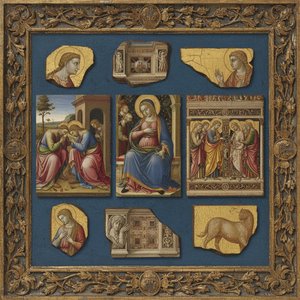
Políptico de Bolonia 3


 Ver más
Reproducción al óleo hecha a mano
Óleo sobre lienzo pintado a mano en el tamaño y marco de su elección, realizado por encargo por nuestros artistas. ( Cambiar a Impresión Cambiar a imagen digital)




P118B $10

P118H $10

P118W $10

P438Z $10

P508JH $12

P508YH $12

P805H $10

P805Z $10

P919BZ $10

P919G $10

P919XJ $10

P959ZH $10

P968JZ $12

W106C $8

W218G $10

W218JH $8

W218Y $10

W307PJ $10

W316G $10

W316PJ $8

W316Y $10

W398PJ $8

W4111J $10

W500HY $15

W500JH $15

W692G $12

W849H $8

W940BG $15

W953PJ $8




Elija entre nuestros tamaños predefinidos que respetan las proporciones originales de la obra.

Puede ingresar sus propias dimensiones para adaptarse a un marco o espacio específico. Si el tamaño seleccionado no coincide con las proporciones de la imagen original, recortaremos la obra o extenderemos la pintura con elementos adicionales pintados a mano. Se le enviará una maqueta digital para su aprobación antes de comenzar la producción.
Tenga en cuenta que la vista previa en pantalla no refleja el recorte o la extensión reales. Solo la maqueta mostrará con precisión la composición final.
Si bien existen tamaños personalizados, recomendamos seleccionar una dimensión de la lista predefinida para preservar las proporciones originales.
Tras realizar el pedido, el equipo de OriginalUniqueArt.com enviará un correo electrónico al cliente para solicitar instrucciones y proporcionarle una vista previa del boceto.
Envío a todo el mundo () en 3-4 semanas en lugar de las 5 semanas estándar. (11 septiembre). Sin comprometer la calidad.

Envío exprés gratuito a todo el mundo

Lienzo de lino de alta calidad

Seguro de envío total

Garantía de reembolso de impuestos aduaneros

Garantía de fidelidad cromática exacta

Política de devolución de 100 días (solo por defectos)

Garantía de devolución del 100% del dinero

Descuento por cantidad
 La opción de vidrio solo está disponible en tamaños inferiores a 110 cm.

Políptico de Bolonia 3
Técnica de reproducción
Dimensiones de la reproducción
-


Precio total final
$ 300
A Revolutionary Vision: Giotto’s Políptico de Bolonia
In the long, storied lineage of Western art, few names command as much reverence as Giotto di Bondone. A Florentine master whose influence reverberates through the centuries, Giotto acted as the vital bridge between the rigid, symbolic traditions of the Medieval era and the burgeoning humanism of the Renaissance. His masterpiece, the Políptico de Bolonia, completed between 1330 and 1335, stands as a profound testament to this transformative spirit. Within its panels, we witness a radical departure from the flattened, ethereal aesthetics of Byzantine art, replaced instead by a burgeoning sense of weight, volume, and human presence that would forever alter the trajectory of painting.
The narrative heart of this work is found in its poignant depiction of the Passion of Christ. Rather than presenting a distant, iconographic spectacle, Giotto invites the viewer into a moment of raw, palpable grief. The scene captures Mary Magdalene kneeling before the tomb of Jesus, flanked by the figures of Nicodemus and Joseph of Arimathea. Here, the artist moves beyond mere religious instruction to explore the depths of the human psyche. Through his brush, we do not just see biblical figures; we witness the heavy mantle of sorrow, the tenderness of compassion, and the profound vulnerability of loss. It is this psychological depth that makes the piece so enduringly resonant for the modern observer.
Mastery of Form and Light
Technically, the Políptico de Bolonia showcases Giotto’s unparalleled ability to sculpt with paint. Utilizing the traditional medium of tempera on wood panels, he achieved a luminous quality that breathes life into every texture. One of his most significant contributions visible in this work is the masterful application of chiaroscuro—the dramatic interplay between light and shadow. By manipulating these tonal shifts, Giotto grants his figures a sense of three-dimensional solidity, making them appear as tangible beings occupying real space rather than mere silhouettes against a golden void.
This naturalistic approach was a bold defiance of the era's prevailing styles. While his predecessors relied on shimmering gold backgrounds to signify spiritual transcendence, Giotto utilized light to ground his subjects in an earthly reality. The textures of the stone architecture and the heavy folds of the robes are rendered with such meticulous care that they invite a tactile connection. For the collector or interior designer, this technique offers a unique opportunity; the painting possesses a sculptural presence that brings a sense of historical gravity and sophisticated depth to any curated space.
An Enduring Legacy for the Discerning Collector
To possess a reproduction of such a monumental work is to hold a piece of the very foundation of art history. The Políptico de Bolonia is more than a religious relic; it is an exploration of what it means to be human. Its themes of mourning, devotion, and resilience are universal, transcending the centuries since its creation in Florence. For those seeking to infuse their environments with intellectual depth and emotional resonance, Giotto’s work provides an unparalleled source of inspiration.
Whether displayed in a grand gallery or as a focal point in a refined private study, this piece serves as a window into a pivotal moment of human creativity. It invites conversation, prompts reflection, and stands as a sophisticated tribute to the dawn of the Renaissance. Bringing this level of historical mastery into a contemporary setting allows for a seamless blend of classical elegance and timeless storytelling.
Biografía del artista
**una vida de innovación y revolución artística**
giotto di bondone, el renombrado pintor y arquitecto italiano, dejó una huella imborrable en el mundo del arte con sus contribuciones pioneras a los períodos proto-renacentista y gótico. Nacido en 1267 en Florencia, Italia, la vida de Giotto permanece algo envuelta en misterio, pero su legado artístico es innegable.**contribuciones e innovaciones artísticas**
La obra más celebrada de Giotto, la Capilla Scrovegni (o Capilla Arena) en Padua, terminada alrededor de 1305, es un testimonio de su espíritu innovador. Este ciclo de frescos, que representa la vida de la Virgen y la vida de Cristo, no solo demuestra su genio artístico sino que también muestra una capacidad narrativa que fue un cambio significativo con respecto al enfoque estilizado bizantino.- Revolucionando la pintura: La insistencia de Giotto en el naturalismo, la atención a las emociones humanas y la exploración de figuras espaciales y voluminosas en la pintura sentaron las bases para los desarrollos en el arte occidental que siguieron.
- Contribuciones arquitectónicas: Su encargo en 1334 por parte del gobierno comunal de Florencia para diseñar el nuevo campanile (campanario) de la catedral de Florencia afirma su doble talento como artista y arquitecto.
**obras notables y su significado**
- Anunciación: la Virgen recibiendo el mensaje (ver en OriginalUniqueArt.com): un ejemplo primordial del estilo proto-renacentista de Giotto, caracterizado por su uso del naturalismo y la atención al detalle.
- Nacimiento. Nacer de Jesús (ver en OriginalUniqueArt.com): demuestra la capacidad de Giotto para transmitir narrativas complejas a través de sus frescos, una característica del período proto-renacentista.
- Madona en Maest (Madonna de Ognissanti) (ver en OriginalUniqueArt.com): esta pieza altar, encargada por la iglesia de Ognissanti en Florencia, es un ejemplo significativo de la pintura al óleo de Giotto y su uso del temple.
**legado e influencia**
La influencia de Giotto en el arte occidental es profunda, sentando las bases para el movimiento artístico renacentista. Su énfasis en el naturalismo, las emociones humanas y la conciencia espacial en la pintura ha perdurado, asegurando su posición como una figura fundamental en la historia del arte europeo. explorar más obras e influencias de Giotto di bondone en OriginalUniqueArt.com.
Giotto di Bondone
1267 - 1337 , Italia
Datos clave
- Artistas Influenciados:
- Masaccio
- Leonardo da Vinci
- Artistas Que Influyeron: ['Cimabue']
- Fecha De Muerte: 1337
- Fecha De Nacimiento: 1267
- Lugar De Nacimiento: Florencia, Italia
- Movimiento Artístico: Proto-Renacimiento
- Nacionalidad: Italiana
- Nombre Completo: Giotto di Bondone
- Obras Notables:
- Capilla Scrovegni
- Madonna de Ognissanti
- Frescos de Asís
Artículos relacionados
Giotto di Bondone: Las 25 Obras Maestras que Definieron el Renacimiento | OriginalUniqueArt
Descubre las 25 obras maestras de Giotto di Bondone, el pionero del Renacimiento. Explora la historia, técnica y simbolismo de sus frescos italianos más icónicos. Encuentra reproducciones de arte exclusivas para decorar tu hogar en OriginalUniqueArt.com.
El Resplandor del Tiempo: Explorando la Técnica y el Legado de la Témpera sobre Tabla
Descubra la fascinante historia y técnica de la témpera sobre tabla. Explore los materiales, el simbolismo y la conservación de esta antigua forma de arte con OriginalUniqueArt.
10 Obras Maestras del Temple que Revolucionaron la Historia del Arte | OriginalUniqueArt
Descubre 10 obras maestras del temple sobre tabla que revolucionaron el arte medieval y renacentista. Explora la historia de Botticelli, Van Eyck y Giotto. Reproducciones de arte de museo para decorar tu hogar con elegancia en OriginalUniqueArt.com.
Tempera on Panel: A Procurement Guide to Durable, High-Quality Art for Large-Scale Hospitality Projects
A professional procurement guide for hotel designers on the durability and prestige of tempera on panel. Discover how these high-quality, large-scale artworks offer unmatched longevity and architectural impact for premium hospitality projects and commercial interiors.
Proto-Renacimiento: 10 Obras Maestras que Cambiaron la Historia del Arte | OriginalUniqueArt
Descubre las 10 obras maestras del Proto Renacimiento que revolucionaron el arte italiano. Explora la historia de Giotto, Duccio y Cimabue. Reproducciones de arte en OriginalUniqueArt.com para decorar tu hogar con belleza atemporal.




![Scrovegni - [05] - Sueño de Joaquín](/media/artworks/images-thumb/8f/67/8f67bb5da87296bd452b3f0b237b528d.jpg)


