

 Vista previa
 Compartir
 Compartir
 Ver detalles
 Guía
Guía

 Descargar
 Ver artículos similares
 Radiografía
 Presentación de diapositivas
 Estadísticas
El Último Cena


 Leer más
Reproducción al óleo hecha a mano
Óleo sobre lienzo pintado a mano en el tamaño y marco de su elección, realizado por encargo por nuestros artistas. ( Cambiar a formato impreso Ver versión en imagen digital)




P118B €10

P118H €10

P118W €10

P438Z €10

P508JH €12

P508YH €12

P805H €10

P805Z €10

P919BZ €10

P919G €10

P919XJ €10

P959ZH €10

P968JZ €12

W106C €8

W218G €10

W218JH €8

W218Y €10

W307PJ €10

W316G €10

W316PJ €8

W316Y €10

W398PJ €8

W4111J €10

W500HY €15

W500JH €15

W692G €12

W849H €8

W940BG €15

W953PJ €8




Elija entre nuestros tamaños predefinidos que respetan las proporciones originales de la obra.

Escriba el ancho y el alto que necesite para adaptarse a su marco o a su pared. Al ser una obra pintada a mano, para un tamaño con una forma distinta, el artista puede pintar un poco más alrededor de la imagen o recortar un poco; usted elige. Le enviaremos una maqueta digital para su aprobación antes de comenzar la pintura. La imagen que se muestra en esta página no refleja el resultado real; solo la maqueta lo hace.
Tras realizar el pedido, el equipo de OriginalUniqueArt.com enviará un correo electrónico al cliente para solicitar instrucciones y proporcionarle una vista previa del boceto.
Envío a todo el mundo () en 3-4 semanas en lugar de las 5 semanas estándar. (23 octubre). Sin comprometer la calidad.

Envío exprés gratuito a todo el mundo

Lienzo de lino de alta calidad

Seguro de envío completo

Garantía de reembolso de impuestos aduaneros

Garantía de fidelidad cromática exacta

Política de devolución de 100 días (solo por defectos)

Garantía de devolución del 100% del dinero

Oferta por volumen
 La opción de vidrio solo está disponible en tamaños inferiores a 110 cm.

El Último Cena
Técnica de reproducción
Tamaño de la reproducción
-


Precio total
€ 505
Giotto Di Bondone: The Pioneer of Renaissance Emotion
Before Giotto di Bondone’s “Last Supper,” depictions of the Holy Eucharist were largely stylized and emotionally distant, reflecting the conventions of Byzantine art—a tradition that prioritized spiritual grandeur over human feeling. Giotto fundamentally altered this paradigm, marking a decisive step toward the blossoming of the Renaissance and its humanist ideals. Born around 1267 in Florence, Giotto emerged from humble origins to become arguably the most influential artist of his time, captivating audiences with an unprecedented ability to convey psychological depth and realism.
- Early Life & Artistic Training: Tradition recounts that Giotto was a shepherd boy discovered sketching remarkably lifelike sheep on rocks, attracting the attention of Cimabue, Florence’s foremost painter. Cimabue recognized Giotto's innate talent and took him as an apprentice, fostering his artistic development beyond Byzantine formalism.
- The Breakthrough: Giotto’s genius lay in his mastery of perspective—a technique previously unexplored by Florentine artists—creating a sense of spatial depth that drew viewers into the scene. Unlike the flat backgrounds characteristic of Byzantine art, Giotto employed architectural settings that grounded the narrative in recognizable reality.
- The Arena Chapel: Giotto’s magnum opus is undoubtedly the decoration of Santa Maria delle Grazie’s Scrovegni Chapel in Padua—a monumental fresco cycle depicting the Life of Mary and Christ. This masterpiece exemplifies his innovative approach to painting, showcasing a profound understanding of human emotion and psychological realism.
- Influence on Renaissance Artists: Giotto's techniques profoundly impacted subsequent generations of painters, including Masaccio, Michelangelo, and Leonardo da Vinci—artists who embraced naturalism and emotional expression as hallmarks of their artistic vision.
Breaking from Tradition: Style and Technique
Giotto’s stylistic innovations distinguished him from his predecessors. He rejected the stylized figures and flattened perspectives of Byzantine art, opting instead for a more naturalistic representation of human forms—characterized by subtle modeling of drapery and musculature—that captured movement and gesture with remarkable accuracy. Giotto skillfully utilized fresco technique—applying pigments mixed with water onto wet plaster—producing vibrant colors and enduring detail that continue to inspire awe centuries later.
- Fresco Technique: Giotto’s mastery of fresco ensured the longevity of his artwork, preserving its vivid hues and textural nuances despite the passage of time.
- Spatial Depth & Perspective: Giotto pioneered linear perspective—creating a convincing illusion of depth—a breakthrough that revolutionized painting and profoundly influenced Renaissance artists.
- Emotional Expression: Giotto’s figures convey palpable emotion—shock, denial, anger, compassion—capturing the psychological drama of biblical narratives with unprecedented sensitivity.
Symbolism and Spiritual Weight
“The Last Supper” is laden with symbolic meaning—reflecting Christian theology and conveying profound spiritual contemplation. The simple gestures of Christ and his disciples—the outstretched hands, the leaning postures—speak volumes about their emotional responses to Jesus’s announcement of betrayal. Giotto meticulously rendered details—such as Judas’s solitary posture and expression—enhancing the narrative's psychological complexity.
- The Bread & Wine: The bread and wine symbolize the Eucharist—the sacrament commemorating Christ’s sacrifice—representing divine grace and redemption.
- Gesture & Expression: Giotto’s masterful portrayal of human emotion underscores the importance of conveying psychological realism—a cornerstone of Renaissance art.
A Lasting Legacy: Giotto's Influence
Giotto di Bondone stands as a titan among artists, initiating “the great art of painting as we know it today” and ushering in the Renaissance’s humanist spirit. His influence reverberates throughout Western art history—inspiring generations of painters to embrace naturalism and emotional expression. Acquiring a meticulously hand-painted reproduction of Giotto’s “Last Supper” offers an opportunity to connect with a masterpiece that continues to captivate audiences worldwide.
Preguntas y respuestas
¿Cuál es el tamaño de impresión recomendado para "El Último Cena" de Giotto di Bondone?
Se sugiere una reproducción de Grande para "El Último Cena" de Giotto di Bondone. El tamaño puede ajustarse manteniendo las proporciones.
¿Hay una presentación de diapositivas para "El Último Cena" de Giotto di Bondone?
El diaporama de "El Último Cena" puede verse en la página Presentación de diapositivas de la obra.
¿Cuál es la luminosidad percibida de "El Último Cena" de Giotto di Bondone?
En cuanto a la luminosidad percibida, "El Último Cena" de Giotto di Bondone es brillante.
Biografía del artista
**una vida de innovación y revolución artística**
giotto di bondone, el renombrado pintor y arquitecto italiano, dejó una huella imborrable en el mundo del arte con sus contribuciones pioneras a los períodos proto-renacentista y gótico. Nacido en 1267 en Florencia, Italia, la vida de Giotto permanece algo envuelta en misterio, pero su legado artístico es innegable.**contribuciones e innovaciones artísticas**
La obra más celebrada de Giotto, la Capilla Scrovegni (o Capilla Arena) en Padua, terminada alrededor de 1305, es un testimonio de su espíritu innovador. Este ciclo de frescos, que representa la vida de la Virgen y la vida de Cristo, no solo demuestra su genio artístico sino que también muestra una capacidad narrativa que fue un cambio significativo con respecto al enfoque estilizado bizantino.- Revolucionando la pintura: La insistencia de Giotto en el naturalismo, la atención a las emociones humanas y la exploración de figuras espaciales y voluminosas en la pintura sentaron las bases para los desarrollos en el arte occidental que siguieron.
- Contribuciones arquitectónicas: Su encargo en 1334 por parte del gobierno comunal de Florencia para diseñar el nuevo campanile (campanario) de la catedral de Florencia afirma su doble talento como artista y arquitecto.
**obras notables y su significado**
- Anunciación: la Virgen recibiendo el mensaje (ver en OriginalUniqueArt.com): un ejemplo primordial del estilo proto-renacentista de Giotto, caracterizado por su uso del naturalismo y la atención al detalle.
- Nacimiento. Nacer de Jesús (ver en OriginalUniqueArt.com): demuestra la capacidad de Giotto para transmitir narrativas complejas a través de sus frescos, una característica del período proto-renacentista.
- Madona en Maest (Madonna de Ognissanti) (ver en OriginalUniqueArt.com): esta pieza altar, encargada por la iglesia de Ognissanti en Florencia, es un ejemplo significativo de la pintura al óleo de Giotto y su uso del temple.
**legado e influencia**
La influencia de Giotto en el arte occidental es profunda, sentando las bases para el movimiento artístico renacentista. Su énfasis en el naturalismo, las emociones humanas y la conciencia espacial en la pintura ha perdurado, asegurando su posición como una figura fundamental en la historia del arte europeo. explorar más obras e influencias de Giotto di bondone en OriginalUniqueArt.com.
Giotto di Bondone
1267 - 1337 , Italia
Datos clave
- Artistas Influenciados:
- Masaccio
- Leonardo da Vinci
- Artistas Que Influyeron: ['Cimabue']
- Fecha De Muerte: 1337
- Fecha De Nacimiento: 1267
- Lugar De Nacimiento: Florencia, Italia
- Movimiento Artístico: Proto-Renacimiento
- Nacionalidad: Italiana
- Nombre Completo: Giotto di Bondone
- Obras Notables:
- Capilla Scrovegni
- Madonna de Ognissanti
- Frescos de Asís
Artículos relacionados

The Enduring Legacy of Fresco Painting: Techniques, History & Contemporary Relevance
Explore the rich history & enduring artistry of fresco painting – from Giotto to Michelangelo! Discover techniques, conservation efforts, & modern applications. Learn how OriginalUniqueArt brings this timeless art form to your home.
Giotto di Bondone: Las 25 Obras Maestras que Definieron el Renacimiento | OriginalUniqueArt
Descubre las 25 obras maestras de Giotto di Bondone, el pionero del Renacimiento. Explora la historia, técnica y simbolismo de sus frescos italianos más icónicos. Encuentra reproducciones de arte exclusivas para decorar tu hogar en OriginalUniqueArt.com.
Proto-Renacimiento: 10 Obras Maestras que Cambiaron la Historia del Arte | OriginalUniqueArt
Descubre las 10 obras maestras del Proto Renacimiento que revolucionaron el arte italiano. Explora la historia de Giotto, Duccio y Cimabue. Reproducciones de arte en OriginalUniqueArt.com para decorar tu hogar con belleza atemporal.

Legado en las Paredes: Frescos Familiares que Trascienden el Tiempo
Descubre el arte del fresco muralístico para inmortalizar tu historia familiar. Expertos en frescos personalizados y técnicas ancestrales. Crea un legado visual único con .

The Enduring Legacy of Fresco: Technique, History & Artistic Expression Across Cultures
Explore the rich history & enduring legacy of fresco painting! Discover ancient techniques, Giotto's masterpieces, and modern applications. Expert insights for art lovers & professionals.


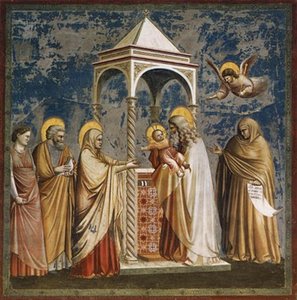


![Scrovegni - [05] - Sueño de Joaquín](/media/artworks/images-thumb/8f/67/8f67bb5da87296bd452b3f0b237b528d.jpg)


