- Inicio

- Impresión en lienzo
- Gilbert Stuart Newton
- Washington Allston
 Encargar reproducción Comprar imagen en alta resolución
 Enviar
 Compartir
 Detalles
 Añadir a favoritos

 Descargar
 Similares
 Radiografía
 Presentación de diapositivas
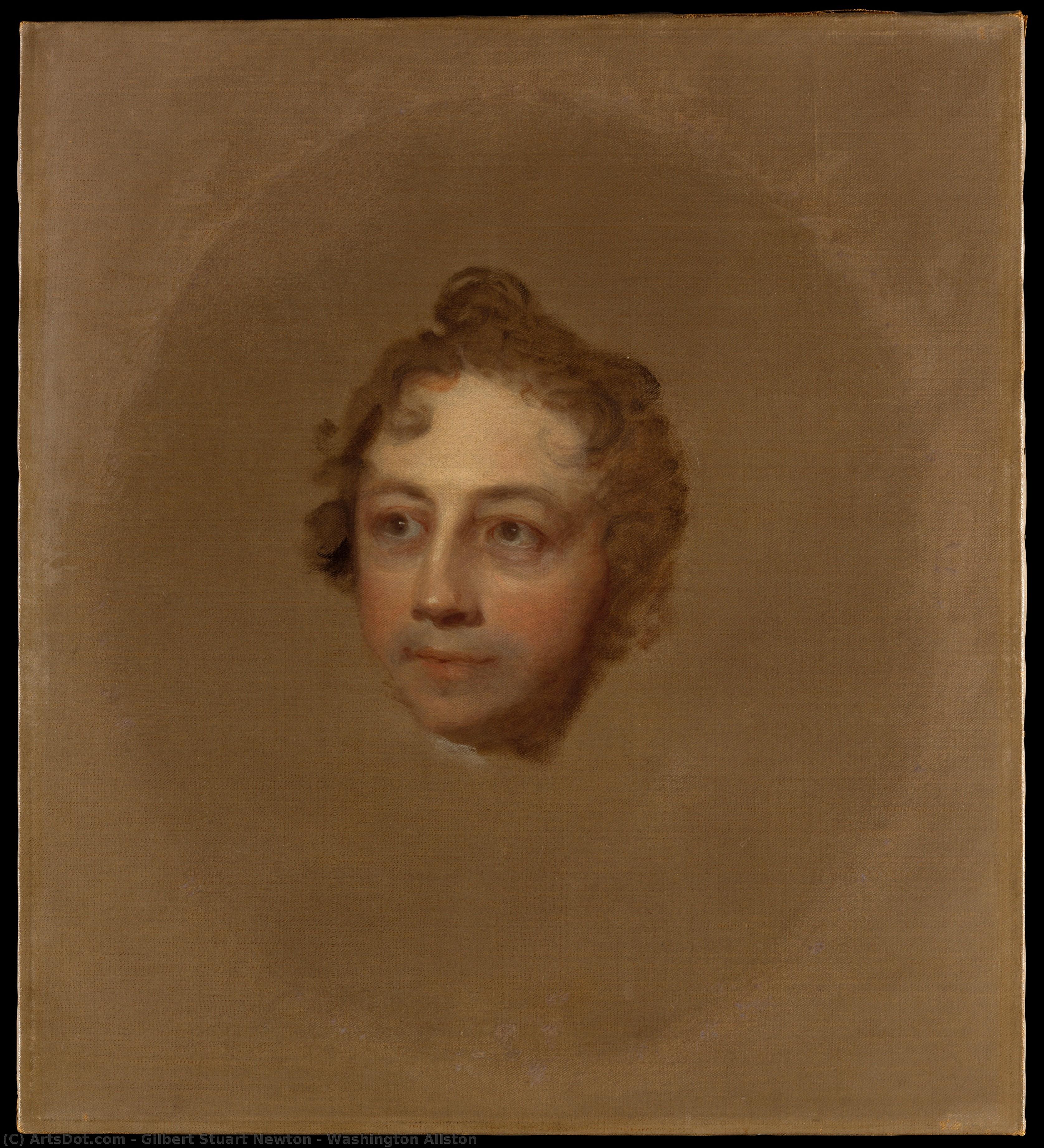
Washington Allston
 Acrylic On Canvas
- WallArt
- Neoclassical
 1819
1819 61.0 x 55.0 cm
 Museo Metropolitano de Arte
 Ver más
Giclée / Impresión de arte
Impresión giclée o en lienzo de calidad de museo con producción rápida y opciones de acabado flexibles.




P118B $10

P118H $10

P118W $10

P438Z $10

P508JH $12

P508YH $12

P805H $10

P805Z $10

P919BZ $10

P919G $10

P919XJ $10

P959ZH $10

P968JZ $12

W106C $8

W218G $10

W218JH $8

W218Y $10

W307PJ $10

W316G $10

W316PJ $8

W316Y $10

W398PJ $8

W4111J $10

W500HY $15

W500JH $15

W692G $12

W849H $8

W940BG $15

W953PJ $8




Elija entre nuestros tamaños predefinidos que respetan las proporciones originales de la obra.

Puede introducir sus propias dimensiones para adaptarse a un marco o espacio específico. Si el tamaño seleccionado no coincide con las proporciones de la imagen original, recortaremos la obra de arte o extenderemos la imagen con un borde con efecto espejo o de color sólido. Se enviará una maqueta digital para su aprobación antes de que comience la producción.
Tenga en cuenta que la vista previa en pantalla no refleja el recorte o la extensión real. Solo la maqueta mostrará con precisión la composición final.
Aunque existen tamaños personalizados, recomendamos seleccionar una dimensión de la lista predefinida para preservar las proporciones originales.
Entrega mundial () en 2 semanas en lugar de las 4/5 semanas estándar. (23 julio)

Envío exprés gratuito a todo el mundo

Lienzo de lino de alta calidad

Seguro de envío total

Garantía de reembolso de impuestos aduaneros

Garantía de fidelidad de color

Política de devolución de 60 días (solo por defectos)

Garantía de devolución del 100% del dinero

Descuento por pedido múltiple
 La opción de vidrio solo está disponible en tamaños inferiores a 110 cm.

Washington Allston
Giclée / Impresión de arte
Tamaño de la reproducción
-


Precio total final
-
Descripción de la obra
A Study in Shadow and Sentiment: Unveiling Silas Blackwood
Silas Blackwood, painted circa 1832 by Gilbert Stuart Newton, isn’t merely a portrait; it's an immersion into the melancholic heart of early Romanticism. The canvas, measuring a modest 61 x 55 centimeters, holds within its depths a figure both strikingly familiar and profoundly unsettling – Silas Blackwood himself, a prominent Boston merchant known for his quiet philanthropy and rumored eccentricities.
Newton’s technique is immediately arresting. He eschews the crisp, idealized realism favored by earlier portraitists, opting instead for a deliberately muted palette dominated by deep browns, slate greys, and hints of bruised violet. This isn't an attempt to flatter; rather, it reflects the prevailing mood of introspection and disillusionment that characterized the era. The brushstrokes are loose and expressive, particularly in the rendering of Blackwood’s clothing – heavy velvet and dark wool – which seem to absorb light rather than reflect it. Notice how Newton utilizes scumbling techniques, layering thin washes of paint to create a sense of texture and depth, mimicking the folds of fabric and the subtle shadows that dance across Blackwood's face.
The Language of the Gaze: Symbolism in Detail
Blackwood’s gaze is the painting’s most compelling element. He isn’t looking *at* the viewer; he’s looking *through* them, as if contemplating a distant memory or an unfulfilled longing. His eyes, shadowed and slightly hooded, hold a profound sadness—a quiet grief that seems to permeate the entire composition. The inclusion of a single, wilting rose in his left hand is particularly potent. Roses have long been associated with love, beauty, and mortality; its drooping petals suggest both lost affection and the inevitable decay of all things beautiful. The dark, almost oppressive background—a suggestion of a rain-swept Boston street at twilight—further reinforces this sense of melancholy.
Newton’s choice to depict Blackwood seated before a partially obscured window is also significant. The light filtering through the glass casts an ethereal glow upon his face, yet it simultaneously highlights the darkness within him. This juxtaposition speaks to the duality inherent in human nature—the capacity for both great kindness and profound sorrow. The subtle inclusion of a closed book resting on the table beside him hints at Blackwood’s intellectual pursuits, suggesting a mind preoccupied with contemplation and perhaps even regret.
A Window into the Romantic Soul
Painted during a period of intense social and political upheaval—the aftermath of the War of 1812 and the rise of industrialization—Newton's portrait reflects the broader anxieties and uncertainties of the era. The Romantic movement, with its emphasis on emotion, imagination, and the sublime beauty of nature, was gaining momentum, and Newton’s work embodies these ideals perfectly. He wasn’t simply documenting a man; he was attempting to capture the *essence* of Blackwood's inner life—his vulnerabilities, his dreams, and his unspoken sorrows.
Furthermore, Newton’s decision to portray Blackwood in a relatively informal pose – seated rather than rigidly upright – suggests a desire to break away from the traditional conventions of portraiture. This reflects the Romantic movement’s rejection of formality and its embrace of spontaneity and emotional expression. The painting serves as a poignant reminder that even within the confines of a formal portrait, an artist can convey a wealth of information about his subject's character and inner world.
Collecting a Legacy: Reproduction and Beyond
Reproductions of “Silas Blackwood” offer a remarkable opportunity to experience Newton’s masterful technique and evocative imagery. The subtle nuances of color, the expressive brushstrokes, and the profound emotional depth of the portrait are all faithfully captured in high-resolution prints. Whether displayed in a private study or incorporated into a larger collection, this painting continues to resonate with viewers today—a testament to Newton’s artistic skill and his ability to capture the complexities of the human spirit.
Biografía del artista
Gilbert Stuart Newton: Vida y Legado
Primeros Años y Trasfondo Familiar
- Nacimiento y Orígenes: Gilbert Stuart Newton nació el 2 de septiembre de 1795, en Halifax, Nueva Escocia. Fue el menor de doce hermanos.
- Conexiones Familiares: Su padre, Henry Newton, era un oficial de aduanas, mientras que su madre, Ann, poseía un linaje artístico de gran relevancia, al ser hija de Gilbert Stuart, el renombrado pintor de retratos estadounidense.
- Primeros Años y Regreso a América: La familia residió inicialmente en Boston, pero tras la muerte de su padre, regresaron a Charlestown, cerca de Boston, en 1803.
Formación Artística e Influencias
- Camino Inicial y Guía del Tío: Aunque inicialmente se le destinaba a una carrera comercial, Newton fue aprendiz de su tío, Gilbert Stuart, lo que marcó el inicio de su viaje artístico.
- Estudios Europeos: Viajó a Europa junto a un hermano mayor y estudió pintura en Florencia. Sus visitas posteriores a París en 1817 le permitieron conocer a artistas como Charles Robert Leslie, Washington Allston y David Wilkie.
- Royal Academy y Formación Formal: Newton continuó su educación en la Royal Academy de Londres tras un periodo de estancia en los Países Bajos.
Estilo Artístico y Temas Principales
- Sensibilidades Románticas: La obra de Newton se categoriza generalmente dentro del movimiento Romántico, caracterizado por su intensidad emocional y sus narrativas dramáticas.
- Inspiraciones Literarias y Poéticas: Alcanzó especial renombre por sus pinturas inspiradas en la literatura y la poesía. Temas extraídos de obras como Don Quijote y Shakespeare fueron prominentes en su producción artística.
- Retratos y Escenas de Género: Si bien realizó retratos, incluyendo a figuras notables como Washington Irving, Newton también destacó en escenas de género que representaban momentos clave de las narrativas literarias.
Logros Clave y Reconocimiento
- Afiliación a la Royal Academy: Newton fue elegido Académico Honorario de la National Academy of Design (1827), Asociado de la Royal Academy (1829) y Académico de pleno derecho en 1832.
- Exposiciones y Mecenazgo: Expuso regularmente en la Royal Academy a partir de 1818, ganando reconocimiento y atrayendo a mecenas como el Marqués de Lansdowne.
- Colecciones Públicas: Sus obras llegaron a formar parte de importantes colecciones públicas, incluyendo la National Gallery y el South Kensington Museum (actualmente el V&A).
Últimos Años y Legado
- Salud Mental y Años Finales: Poco después de su elección en la Royal Academy, Newton comenzó a padecer enfermedades mentales. Fue ingresado en un asilo en Chelsea, donde continuó pintando hasta su muerte el 5 de agosto de 1835.
- Lugar de Sepultura: Descansa en la iglesia de St Mary en Wimbledon, Londres.
- Significado Histórico: Aunque quedó a la sombra de su tío Gilbert Stuart, Newton logró forjar un lugar propio como un artista hábil e imaginativo del periodo Romántico. Sus pinturas inspiradas en la literatura ofrecen una ventana a los gustos culturales y las tendencias artísticas de la Gran Bretaña del siglo XIX.

Gilbert Stuart Newton
1795 - 1835 , Nueva Escocia
Datos clave
- Movement: Romanticismo
- Name: Gilbert Stuart Newton
- Nationality: Británica
Artículos relacionados
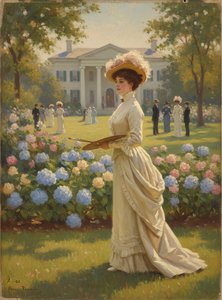
Alice Pike Barney: A Life Painted in Impressionism & Washington Society
Explore the life & art of Alice Pike Barney, a pioneering American Impressionist painter who defied convention and fostered Washington D.C.'s vibrant arts scene. Discover her unique style, portraits, and lasting legacy.
Del Selfie al Retrato de Estudio: La Transformación Contemporánea del Autorretrato en Óleo
Descubra la fascinante transformación del autorretrato en óleo, desde el 'selfie' hasta obras maestras contemporáneas. Guía experta para coleccionistas y amantes del arte. ¡Encuentre su obra única!
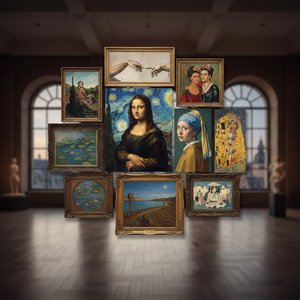
Las 10 Obras Maestras al Óleo que Revolucionaron la Historia del Arte |
Descubre las 10 obras maestras al óleo que transformaron la historia del arte. Explora Van Gogh, Monet, Da Vinci y más. Reproducciones de alta calidad para decorar tu hogar con elegancia. ¡Encuentra tu obra favorita en !
Óleo sobre Lienzo vs. Impresión Digital: Un Análisis para Coleccionistas Exigentes
Descubra reproducciones de pintura al óleo hechas a mano por artistas expertos en OriginalUniqueArt. Invierta en arte duradero, personalizado y con garantía de calidad museo. ¡Transforme su hogar con una obra maestra!

De Instantánea a Legado: El Arte de Encargar una Reproducción Pintada a Mano a partir de Fotografía – Preservando Recuerdos a Través de Técnicas al Óleo
Transforme sus fotos en obras de arte atemporales con pinturas al óleo hechas a mano por artistas expertos. Calidad museo, personalización total y un legado para generaciones. ¡Solicite su presupuesto!