 Vista previa
 Compartir
 Compartir
 Ver detalles

 Descargar
 Ver similares
 Radiografía
 Presentación de diapositivas
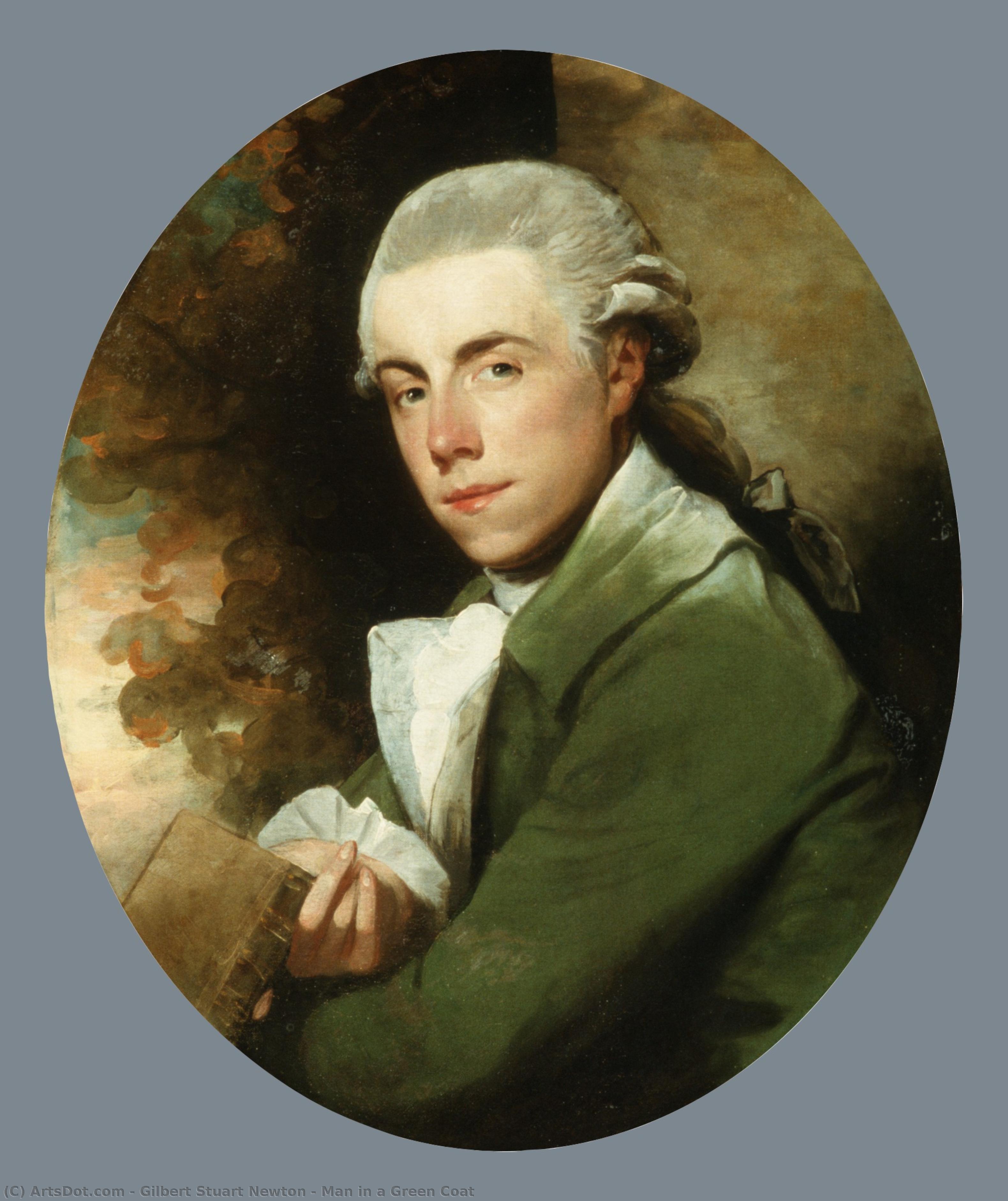
Man in a Green Coat
 Oil On Canvas
- WallArt
- Romanticism
 1779
1779 72.0 x 60.0 cm
 Museo Metropolitano de Arte
 Leer más
Reproducción al óleo hecha a mano
Óleo sobre lienzo pintado a mano en el tamaño y marco de su elección, realizado por encargo por nuestros artistas. ( Pedir impresión Comprar descarga)




P118B $10

P118H $10

P118W $10

P438Z $10

P508JH $12

P508YH $12

P805H $10

P805Z $10

P919BZ $10

P919G $10

P919XJ $10

P959ZH $10

P968JZ $12

W106C $8

W218G $10

W218JH $8

W218Y $10

W307PJ $10

W316G $10

W316PJ $8

W316Y $10

W398PJ $8

W4111J $10

W500HY $15

W500JH $15

W692G $12

W849H $8

W940BG $15

W953PJ $8




Elija entre nuestros tamaños predefinidos que respetan las proporciones originales de la obra.

Puede ingresar sus propias dimensiones para adaptarse a un marco o espacio específico. Si el tamaño seleccionado no coincide con las proporciones de la imagen original, recortaremos la obra o extenderemos la pintura con elementos adicionales pintados a mano. Se le enviará una maqueta digital para su aprobación antes de comenzar la producción.
Tenga en cuenta que la vista previa en pantalla no refleja el recorte o la extensión reales. Solo la maqueta mostrará con precisión la composición final.
Si bien existen tamaños personalizados, recomendamos seleccionar una dimensión de la lista predefinida para preservar las proporciones originales.
Tras realizar el pedido, el equipo de OriginalUniqueArt.com enviará un correo electrónico al cliente para solicitar instrucciones y proporcionarle una vista previa del boceto.
Envío a todo el mundo () en 3-4 semanas en lugar de las 5 semanas estándar. (18 agosto). Sin comprometer la calidad.

Envío exprés gratuito a todo el mundo

Lienzo de lino de alta calidad

Seguro de envío completo

Garantía de reembolso de aranceles aduaneros

Garantía de fidelidad cromática exacta

Política de devolución de 60 días (solo por defectos)

Garantía de devolución del 100% del dinero

Oferta por volumen
 La opción de vidrio solo está disponible en tamaños inferiores a 110 cm.

Man in a Green Coat
Técnica de reproducción
Tamaño de la reproducción
-


Precio total
$ 300
Descripción de la obra
A Glimpse into the 1770s: Gilbert Stuart Newton’s ‘Man in a Green Coat’
Gilbert Stuart Newton's “Man in a Green Coat,” painted in 1779, isn’t merely a portrait; it’s a carefully constructed window into the burgeoning artistic landscape of early Georgian England. The painting immediately draws the eye with its subtly unsettling elegance – a man, formally dressed in a rich green coat, holds a book open before him, his gaze averted, creating an aura of quiet contemplation and perhaps even a touch of melancholy. The composition is deceptively simple: a rectangular format initially transformed into a more intimate oval, suggesting a deliberate shaping of the image to capture the sitter’s essence. Newton's brushwork, described by contemporary observers as “brushy,” isn’t indicative of sloppiness but rather a conscious choice – a technique that lends the work an immediacy and intimacy rarely found in the rigidly formal portraits of the era.
The Influence of Gainsborough and the Seeds of Romanticism
Newton’s work reveals a clear debt to Thomas Gainsborough, whose portraits were immensely popular during this period for their atmospheric backgrounds and relaxed poses. Notice how Newton mimics Gainsborough's use of light and shadow – the soft illumination highlighting the man’s face and coat, while the muted background creates depth without overwhelming the subject. The green of the coat itself is particularly noteworthy; it’s not a vibrant, assertive hue but rather a delicate pastel shade, echoing the gentle colors favored by Gainsborough and contributing to the painting's overall sense of understated beauty. However, “Man in a Green Coat” transcends mere imitation. Newton introduces a subtle psychological complexity that anticipates the Romantic movement – a hint of sadness, an unspoken story hinted at through the sitter’s averted gaze. This is not simply a likeness; it’s an exploration of mood and character.
A Portrait of Uncertainty: Identity and Historical Context
The identity of the man in the green coat remains one of art history's enduring mysteries. Newton, a British artist working in London during this period, was influenced by both English and American artistic trends. Born in Nova Scotia to an artistic lineage tracing back to Gilbert Stuart, the renowned American portrait painter, Newton’s early life reflects this transatlantic connection. The painting’s date – 1779 – places it squarely within a turbulent era of political upheaval, as Britain grappled with its colonies across the Atlantic. The man's attire and demeanor suggest a gentleman of means, perhaps a merchant or landowner, reflecting the growing prosperity of the British economy. Yet, his introspective posture hints at anxieties and uncertainties that were prevalent during this period of colonial tensions.
Symbolism and Artistic Technique
Beyond its immediate visual appeal, “Man in a Green Coat” is rich in symbolic detail. The book he holds suggests intellectual pursuits and perhaps a yearning for knowledge or escape. The oval format itself can be interpreted as a symbol of completeness – a contained world reflecting the sitter’s inner life. Newton's masterful use of oil paint creates a remarkable sense of texture, capturing the sheen of the coat fabric and the subtle nuances of light and shadow. The painting’s current location at the Metropolitan Museum of Art in New York City underscores its significance as a masterpiece of early modern portraiture – a testament to Newton’s skill and his ability to capture both the outward appearance and the inner essence of his subject.
Biografía del artista
Gilbert Stuart Newton: Vida y Legado
Primeros Años y Trasfondo Familiar
- Nacimiento y Orígenes: Gilbert Stuart Newton nació el 2 de septiembre de 1795, en Halifax, Nueva Escocia. Fue el menor de doce hermanos.
- Conexiones Familiares: Su padre, Henry Newton, era un oficial de aduanas, mientras que su madre, Ann, poseía un linaje artístico de gran relevancia, al ser hija de Gilbert Stuart, el renombrado pintor de retratos estadounidense.
- Primeros Años y Regreso a América: La familia residió inicialmente en Boston, pero tras la muerte de su padre, regresaron a Charlestown, cerca de Boston, en 1803.
Formación Artística e Influencias
- Camino Inicial y Guía del Tío: Aunque inicialmente se le destinaba a una carrera comercial, Newton fue aprendiz de su tío, Gilbert Stuart, lo que marcó el inicio de su viaje artístico.
- Estudios Europeos: Viajó a Europa junto a un hermano mayor y estudió pintura en Florencia. Sus visitas posteriores a París en 1817 le permitieron conocer a artistas como Charles Robert Leslie, Washington Allston y David Wilkie.
- Royal Academy y Formación Formal: Newton continuó su educación en la Royal Academy de Londres tras un periodo de estancia en los Países Bajos.
Estilo Artístico y Temas Principales
- Sensibilidades Románticas: La obra de Newton se categoriza generalmente dentro del movimiento Romántico, caracterizado por su intensidad emocional y sus narrativas dramáticas.
- Inspiraciones Literarias y Poéticas: Alcanzó especial renombre por sus pinturas inspiradas en la literatura y la poesía. Temas extraídos de obras como Don Quijote y Shakespeare fueron prominentes en su producción artística.
- Retratos y Escenas de Género: Si bien realizó retratos, incluyendo a figuras notables como Washington Irving, Newton también destacó en escenas de género que representaban momentos clave de las narrativas literarias.
Logros Clave y Reconocimiento
- Afiliación a la Royal Academy: Newton fue elegido Académico Honorario de la National Academy of Design (1827), Asociado de la Royal Academy (1829) y Académico de pleno derecho en 1832.
- Exposiciones y Mecenazgo: Expuso regularmente en la Royal Academy a partir de 1818, ganando reconocimiento y atrayendo a mecenas como el Marqués de Lansdowne.
- Colecciones Públicas: Sus obras llegaron a formar parte de importantes colecciones públicas, incluyendo la National Gallery y el South Kensington Museum (actualmente el V&A).
Últimos Años y Legado
- Salud Mental y Años Finales: Poco después de su elección en la Royal Academy, Newton comenzó a padecer enfermedades mentales. Fue ingresado en un asilo en Chelsea, donde continuó pintando hasta su muerte el 5 de agosto de 1835.
- Lugar de Sepultura: Descansa en la iglesia de St Mary en Wimbledon, Londres.
- Significado Histórico: Aunque quedó a la sombra de su tío Gilbert Stuart, Newton logró forjar un lugar propio como un artista hábil e imaginativo del periodo Romántico. Sus pinturas inspiradas en la literatura ofrecen una ventana a los gustos culturales y las tendencias artísticas de la Gran Bretaña del siglo XIX.

Gilbert Stuart Newton
1795 - 1835 , Nueva Escocia
Datos clave
- Movement: Romanticismo
- Name: Gilbert Stuart Newton
- Nationality: Británica
Artículos relacionados
Verdant Visions: Exploring the Symbolism & Aesthetic Impact of Green in Art History
Explore the rich history & symbolism of green in art! Discover iconic paintings, techniques, and how to bring verdant harmony into your home with OriginalUniqueArt's expert guide.
Los 10 cuadros más famosos dominados por el verde oliva oscuro | Arte y decoración
Descubre los 10 cuadros más famosos con impresionantes tonos verde oliva oscuro. Explora la historia, artistas y técnicas de estas obras maestras del arte clásico. Encuentra reproducciones de alta calidad en .
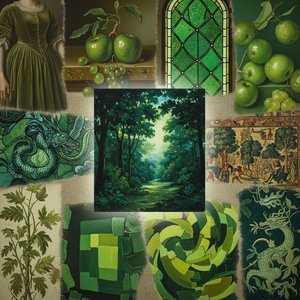
Los 10 Cuadros Más Famosos Dominados por el Verde Cromado: Arte y Decoración
Descubre los 10 cuadros más famosos dominados por el verde cromado. Explora la historia, artistas como Monet y Renoir, e inspírate para decorar tu hogar con lienzos impresionistas. Reproducciones de arte en .
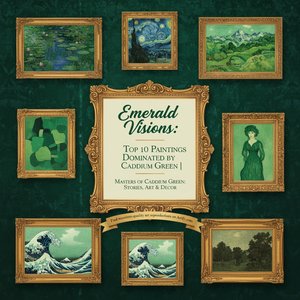
Los 10 Pinturas Más Famosas Dominadas por el Verde Cadmio | Arte y Decoración de Lujo
Descubre los 10 cuadros más famosos dominados por el verde cadmio. Explora la historia, artistas como Monet y Van Gogh, e inspiración para decoración con arte en . ¡Encuentra tu obra maestra!

Los 10 cuadros más famosos con tonos verde mar medio: Arte, historia y decoración
Descubre los 10 cuadros más famosos con tonos verde mar medio. Explora la historia, artistas como Monet y Renoir, e inspírate para decorar tu hogar con arte impresionista. Reproducciones de alta calidad en OriginalUniqueArt.com.