

 Ver en contexto
 Enviar
 Compartir
 Detalles

 Descargar
 Similares
 Radiografía
 Presentación de diapositivas
 Estadísticas
Henry Rice
 Oil On Canvas
- WallArt
- Neoclassical
 1815
1815 67.0 x 55.0 cm
 Museo Metropolitano de Arte
 Ver más
Giclée / Impresión de arte
Impresiones giclée o en lienzo de calidad de museo con producción rápida y opciones de acabado flexibles. ( Comprar pintura hecha a mano Cambiar a imagen digital)




P118B $10

P118H $10

P118W $10

P438Z $10

P508JH $12

P508YH $12

P805H $10

P805Z $10

P919BZ $10

P919G $10

P919XJ $10

P959ZH $10

P968JZ $12

W106C $8

W218G $10

W218JH $8

W218Y $10

W307PJ $10

W316G $10

W316PJ $8

W316Y $10

W398PJ $8

W4111J $10

W500HY $15

W500JH $15

W692G $12

W849H $8

W940BG $15

W953PJ $8




Elija entre nuestros tamaños predefinidos que respetan las proporciones originales de la obra.

Puede introducir sus propias dimensiones para adaptarse a un marco o espacio específico. Si el tamaño seleccionado no coincide con las proporciones de la imagen original, recortaremos la obra de arte o extenderemos la imagen con un borde con efecto espejo o de color sólido. Se enviará una maqueta digital para su aprobación antes de que comience la producción.
Tenga en cuenta que la vista previa en pantalla no refleja el recorte o la extensión real. Solo la maqueta mostrará con precisión la composición final.
Aunque existen tamaños personalizados, recomendamos seleccionar una dimensión de la lista predefinida para preservar las proporciones originales.
Envío a todo el mundo () en 2 semanas en lugar de las 4/5 semanas estándar. (11 septiembre)

Envío exprés gratuito a todo el mundo

Lienzo de lino de alta calidad

Seguro de envío total

Garantía de reembolso de impuestos aduaneros

Garantía de fidelidad cromática exacta

Política de devolución de 100 días (solo por defectos)

Garantía de devolución del 100% del dinero

Descuento por cantidad
 La opción de vidrio solo está disponible en tamaños inferiores a 110 cm.

Henry Rice
Giclée / Impresión de arte
Dimensiones de la reproducción
-


Precio total final
$ 80
The Enigmatic Figure: Gilbert Stuart Newton’s “Henry Rice”
Gilbert Stuart Newton's 1815 portrait, "Henry Rice," is more than a simple likeness; it’s a window into the burgeoning landscape of early America and the complex relationships between settlers, indigenous peoples, and the evolving American identity. The painting captures a man of considerable presence – Henry Rice – not merely as an individual, but as a pivotal figure in Minnesota's territorial development. Newton, trained under his renowned uncle Gilbert Stuart, masterfully employs the conventions of Neoclassical portraiture, yet imbues the image with a subtle intensity that transcends mere formality.

Gilbert Stuart Newton - Self Portrait
A Man of Two Worlds: Rice’s Life and Context
Henry Rice's life was inextricably linked to the dramatic transformation occurring in the Upper Midwest. Born in Nova Scotia, he became a key player in the fur trade, forging crucial alliances with the Ho-Chunk (Winnebago) and Ojibwe tribes. His role extended far beyond simple commerce; he served as a negotiator for treaties, shaping the political and territorial boundaries of what would become Minnesota. The portrait itself reflects this duality – Rice is presented as both a respected tribal leader’s confidante and a representative of American authority. His beard and mustache, meticulously rendered by Newton, speak to his age and experience, while his direct gaze conveys an undeniable strength and shrewdness.
Newton's artistic lineage further illuminates the painting’s significance. Trained by Gilbert Stuart, a titan of American portraiture, Newton inherited a tradition of capturing character and conveying status through careful observation and refined technique. However, Newton subtly diverges from his uncle’s style, injecting a greater sense of drama and psychological depth into his subjects.
The Language of Portraiture: Technique and Symbolism
Newton's masterful use of light and shadow establishes a formal yet engaging composition. The dark background emphasizes Rice’s figure, drawing the viewer’s attention to his face and posture. Note the subtle modeling of the fabric of his suit – a detail indicative of Newton’s meticulous approach to rendering texture. The arrangement of the figures in the background—a man behind him and another further away—suggests a scene of deliberation or perhaps even a moment of quiet authority. These secondary elements add layers of narrative, hinting at Rice's role as a mediator between cultures.
The portrait’s monochromatic palette – primarily shades of gray and brown – evokes the somber tones often associated with historical portraits from this period. This choice contributes to the painting’s sense of gravitas and reinforces its depiction of a man deeply involved in matters of state and diplomacy. The inclusion of the dark background, reminiscent of a study room or office, further emphasizes Rice's role as a figure of importance and decision-making.
A Legacy Preserved: Reproduction and Interpretation
Reproductions of “Henry Rice” offer a remarkable opportunity to connect with a pivotal moment in American history. OriginalUniqueArt’s faithful reproductions capture the painting’s nuanced details and atmospheric quality, allowing viewers to appreciate Newton's artistry and the story of Henry Rice—a man who played an instrumental role in shaping the destiny of Minnesota. This portrait is not simply a depiction of a historical figure; it’s a testament to the complex interplay of cultures and the enduring legacy of early American exploration and settlement.
Biografía del artista
Gilbert Stuart Newton: Vida y Legado
Primeros Años y Trasfondo Familiar
- Nacimiento y Orígenes: Gilbert Stuart Newton nació el 2 de septiembre de 1795, en Halifax, Nueva Escocia. Fue el menor de doce hermanos.
- Conexiones Familiares: Su padre, Henry Newton, era un oficial de aduanas, mientras que su madre, Ann, poseía un linaje artístico de gran relevancia, al ser hija de Gilbert Stuart, el renombrado pintor de retratos estadounidense.
- Primeros Años y Regreso a América: La familia residió inicialmente en Boston, pero tras la muerte de su padre, regresaron a Charlestown, cerca de Boston, en 1803.
Formación Artística e Influencias
- Camino Inicial y Guía del Tío: Aunque inicialmente se le destinaba a una carrera comercial, Newton fue aprendiz de su tío, Gilbert Stuart, lo que marcó el inicio de su viaje artístico.
- Estudios Europeos: Viajó a Europa junto a un hermano mayor y estudió pintura en Florencia. Sus visitas posteriores a París en 1817 le permitieron conocer a artistas como Charles Robert Leslie, Washington Allston y David Wilkie.
- Royal Academy y Formación Formal: Newton continuó su educación en la Royal Academy de Londres tras un periodo de estancia en los Países Bajos.
Estilo Artístico y Temas Principales
- Sensibilidades Románticas: La obra de Newton se categoriza generalmente dentro del movimiento Romántico, caracterizado por su intensidad emocional y sus narrativas dramáticas.
- Inspiraciones Literarias y Poéticas: Alcanzó especial renombre por sus pinturas inspiradas en la literatura y la poesía. Temas extraídos de obras como Don Quijote y Shakespeare fueron prominentes en su producción artística.
- Retratos y Escenas de Género: Si bien realizó retratos, incluyendo a figuras notables como Washington Irving, Newton también destacó en escenas de género que representaban momentos clave de las narrativas literarias.
Logros Clave y Reconocimiento
- Afiliación a la Royal Academy: Newton fue elegido Académico Honorario de la National Academy of Design (1827), Asociado de la Royal Academy (1829) y Académico de pleno derecho en 1832.
- Exposiciones y Mecenazgo: Expuso regularmente en la Royal Academy a partir de 1818, ganando reconocimiento y atrayendo a mecenas como el Marqués de Lansdowne.
- Colecciones Públicas: Sus obras llegaron a formar parte de importantes colecciones públicas, incluyendo la National Gallery y el South Kensington Museum (actualmente el V&A).
Últimos Años y Legado
- Salud Mental y Años Finales: Poco después de su elección en la Royal Academy, Newton comenzó a padecer enfermedades mentales. Fue ingresado en un asilo en Chelsea, donde continuó pintando hasta su muerte el 5 de agosto de 1835.
- Lugar de Sepultura: Descansa en la iglesia de St Mary en Wimbledon, Londres.
- Significado Histórico: Aunque quedó a la sombra de su tío Gilbert Stuart, Newton logró forjar un lugar propio como un artista hábil e imaginativo del periodo Romántico. Sus pinturas inspiradas en la literatura ofrecen una ventana a los gustos culturales y las tendencias artísticas de la Gran Bretaña del siglo XIX.

Gilbert Stuart Newton
1795 - 1835 , Nueva Escocia
Datos clave
- Movement: Romanticismo
- Name: Gilbert Stuart Newton
- Nationality: Británica
Artículos relacionados

Blanco Sublime: Los 10 Cuadros Más Famosos Dominados por la Luz y el Color
Descubre los 10 cuadros blancos más emblemáticos de la historia del arte. Explora Monet, Van Gogh y Klimt, y su magistral uso de la luz y el color. Encuentra reproducciones de alta calidad e inspírate para tu decoración en .

Monochrome Visions: Exploring the Aesthetic & Historical Significance of Black & White Photography
Explore the rich history & artistic power of black and white photography. From early techniques to iconic masters like Ansel Adams, discover why monochrome continues to captivate art lovers today. Expert insights for collectors.

Monochrome Edge: The Ultimate Design Flex—Level Up Your Space with Bold Black & White Art
Master the monochrome aesthetic with high-impact Black & White art from OriginalUniqueArt.com. From custom hand-painted oils to iconic pop culture remixes, discover the ultimate design flex for your urban space. Elevate your decor with bold, premium, and timeless monochrome masterpieces.

Las 10 Pinturas Más Famosas Dominadas por el Negro | Arte y Decoración
Descubre las 10 pinturas más impactantes dominadas por el negro. Explora obras maestras de Rembrandt, Goya y Rothko, su historia y significado. Encuentra reproducciones de arte exclusivas para transformar tu hogar en .
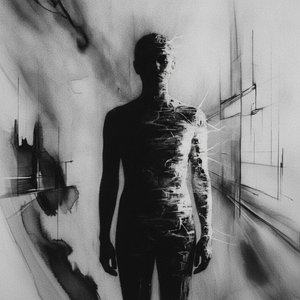
Shadow & Soul: Why Black & White Photography Remains the Ultimate Power Move in Modern Art
Discover why black & white photography remains a powerful force in contemporary art. Explore the impact of light, shadow, and texture through a visual journey of monochrome mastery and learn how to elevate your space with timeless grayscale aesthetics.

