

 Ver en contexto
 Enviar
 Compartir
 Detalles
 Guía
Guía

 Descargar
 Similares
 Radiografía
 Presentación de diapositivas
 Q&A
Q&A Estadísticas
Mountain Landscape with a Windmill
 Oil On Canvas
- WallArt
- Post-Impressionism
 26.0 x 35.0 cm
 National Trust
 Ver más
La obra de arte que se muestra en esta página está protegida por las leyes de propiedad intelectual, lo que significa que no podemos crear ni vender legalmente una reproducción idéntica. Esta protección se hace cumplir en virtud de acuerdos internacionales como el Convenio de Berna y por las leyes nacionales, incluidas aquellas establecidas por el Ley de derechos de autor de los EE. UU. - Título 17.
Este método cumple plenamente con las normativas de derechos de autor, ya que no implica la copia ni la duplicación de la obra protegida. En su lugar, se trata de una reinterpretación creativa: una nueva pintura influenciada por la original, pero que no es idéntica a ella.
Giclée / Impresión de arte
Impresiones giclée o en lienzo de calidad de museo con producción rápida y opciones de acabado flexibles. ( Comprar pintura hecha a mano Cambiar a imagen digital)




P118B €10

P118H €10

P118W €10

P438Z €10

P508JH €12

P508YH €12

P805H €10

P805Z €10

P919BZ €10

P919G €10

P919XJ €10

P959ZH €10

P968JZ €12

W106C €8

W218G €10

W218JH €8

W218Y €10

W307PJ €10

W316G €10

W316PJ €8

W316Y €10

W398PJ €8

W4111J €10

W500HY €15

W500JH €15

W692G €12

W849H €8

W940BG €15

W953PJ €8




Elija entre nuestros tamaños predefinidos que respetan las proporciones originales de la obra.

Introduzca el ancho y el alto que necesite para adaptarse a su marco o pared. Una impresión solo puede recortarse, nunca hacerse más grande que la imagen original, por lo que un tamaño con una forma distinta perderá parte de la obra. Le enviaremos una maqueta digital para su aprobación antes de realizar cualquier impresión. La imagen que se muestra en esta página no refleja el recorte real; solo la maqueta lo hace.
Envío a todo el mundo () en 2 semanas en lugar de las 4/5 semanas estándar. (28 octubre)

Envío exprés gratuito a todo el mundo

Lienzo de lino de alta calidad

Seguro de envío total

Garantía de reembolso de aranceles aduaneros

Garantía de fidelidad cromática exacta

Política de devolución de 100 días (solo por defectos)

Garantía de devolución del 100% del dinero

Descuento por cantidad
 La opción de vidrio solo está disponible en tamaños inferiores a 110 cm.

Mountain Landscape with a Windmill
Giclée / Impresión de arte
Dimensiones de la reproducción
-


Precio total final
€ 71
A Vision of the English Countryside: Gilbert Spencer’s ‘Mountain Landscape with a Windmill’
Gilbert Spencer's “Mountain Landscape with a Windmill” isn’t merely a depiction of a rural scene; it’s an immersion into the heart of late 19th-century England. Painted around 19XX, this artwork captures a quintessential moment in time – a quiet afternoon bathed in diffused light, dominated by the steadfast presence of a traditional windmill against a backdrop of rolling hills and verdant fields. Spencer, deeply rooted in his native Cookham, eschewed grand narratives or dramatic events, instead focusing on the subtle beauty of everyday life and the enduring connection between humanity and nature. The painting speaks to a sense of tranquility and timelessness, inviting the viewer into a world where the rhythms of rural existence are both comforting and profoundly evocative.
Fauvist Echoes and Post-Impressionist Sensibilities
Spencer’s artistic approach is immediately recognizable as a synthesis of Fauvist and Post-Impressionist influences. The bold, unblended brushstrokes—a hallmark of the Fauvist movement—create a vibrant energy within the landscape, injecting color with an almost impulsive quality. Yet, these energetic marks are tempered by the more considered techniques of Post-Impressionism, evident in the careful observation of light and form. The colors aren’t realistic representations of nature; instead, they're emotionally charged – deep greens, ochres, and blues conveying a sense of atmosphere and mood rather than precise detail. The simplified forms of the windmill and hills contribute to this stylized effect, prioritizing expressive power over strict adherence to photographic accuracy.
The Symbolism of Industry and Nature
The prominent windmill itself is more than just a picturesque element; it’s a potent symbol. In rural England, windmills represented both industry – the grinding of grain, the harnessing of natural energy – and a connection to the land. Spencer masterfully balances these dualities, presenting the windmill not as a machine imposing itself upon nature, but as an integral part of its landscape. The surrounding hills, bathed in soft light, suggest a harmonious relationship between human endeavor and the natural world. The composition invites contemplation on themes of tradition, progress, and the enduring spirit of rural life.
A Legacy of English Realism
Gilbert Spencer’s “Mountain Landscape with a Windmill” stands as a testament to his commitment to realism while embracing innovative artistic techniques. His work reflects a deep understanding of the English countryside—a landscape he loved and meticulously observed throughout his life. As a brother to the renowned Stanley Spencer, Gilbert forged his own distinct path, prioritizing clarity, directness, and an honest portrayal of everyday life. This painting exemplifies his ability to capture not just the visual appearance of a scene but also its emotional resonance, solidifying his place as a key figure in British art history. Reproductions offer a beautiful way to bring this evocative landscape into your home or office, allowing you to experience the tranquility and timeless beauty of rural England.
Preguntas y respuestas
¿Está "Mountain Landscape with a Windmill" disponible como una impresión de bellas artes?
Puede solicitar una impresión de "Mountain Landscape with a Windmill" de Gilbert Spencer directamente en su página de Impresión de arte de bellas artes: una impresión de bellas artes sobre lienzo de algodón o papel de lienzo de archivo.
¿Qué sensación transmiten los colores de "Mountain Landscape with a Windmill" de Gilbert Spencer?
La paleta Neutrals de "Mountain Landscape with a Windmill" de Gilbert Spencer armoniza con su tono emocional Tranquil. El color es una de las formas en que una obra transmite sentimiento.
¿Con qué otros nombres se conoce a Gilbert Spencer?
Gilbert Spencer también es conocido como Gilberto Spencer.
Biografía del artista
Primeros Años y Educación
- Nacimiento: 4 de agosto de 1892, Cookham, Reino Unido
- Fallecimiento: 1979
- Antecedentes Familiares: Gilbert Spencer nació en una familia con inclinaciones musicales. Su padre, William Spencer, era organista y profesor de música. Era el octavo de once hijos y hermano menor del renombrado pintor Sir Stanley Spencer.
- Educación Temprana: La educación formal fue limitada debido a las restricciones financieras dentro de la familia. Sin embargo, se benefició de conversaciones estimulantes entre sus mayores.
- Formación Artística:
- Camberwell School of Arts and Crafts (1911–12)
- Royal College of Art (escultura en madera) (1911-12)
- Slade School of Fine Art, Londres (1913–1915). Estuvo significativamente influenciado por Henry Tonks durante su tiempo en el Slade.
- Primer Reconocimiento: Ganó el premio de dibujo a vivo en el Slade en 1914 y fue subcampeón del premio al concurso estival con un gran mural, "Las Siete Etapas del Hombre".
Desarrollo Artístico e Influencias
- Influencias: Henry Tonks jugó un papel crucial en la formación de su estilo artístico. También conoció a Lady Ottoline Morrell quien facilitó el acceso al círculo de Bloomsbury en Garsington Manor.
- Estilo Temprano: Sus primeras obras, como "Árboles en Garsington" y "El Rebaño en la Granja Superior", demuestran una línea directa y claridad de color.
- Períodos y Estilos Clave:
- Impresionismo: Los paisajes tempranos como “Sashes Meadow, Cookham” (1914) muestran una influencia impresionista.
- Fauvismo/Post-Impresionismo: Obras posteriores, como "Paisaje de Montaña con un Molino de Viento", incorporan elementos fauvistas y postimpresionistas caracterizados por pinceladas audaces y formas simplificadas.
- Realismo: Una constante a lo largo de su carrera fue el compromiso con el realismo en la representación de la vida inglesa y los paisajes.
- Temática: Se centró principalmente en paisajes, retratos, escenas de género y decoraciones murales. Representó frecuentemente escenas de la campiña inglesa.
Obras Principales y Logros
- Murales en Holywell Manor (1934-6): Creó una serie de murales que representan la leyenda fundacional del Balliol College para Holywell Manor, Oxford.
- Artista Oficial de Guerra (1940–1943): Sirvió como artista oficial de guerra durante la Segunda Guerra Mundial.
- Reconocimiento en la Royal Academy: Fue elegido Asociado Real Académico (A.R.A.) en 1950 y miembro titular en 1959.
- Obras Notables:
- "Tropas en el Campo" – Captura una escena pacífica de soldados junto a vacas.
- "Atardecer de Verano, Durdham Downs" – Representa una reunión social caótica con iluminación dramática.
- "Niño Sosteniendo un Conejo" (1931) – Una serena representación de la infancia rural.
- “Una Granja en Cotswold” (1930) - Detallada descripción de la vida invernal en el campo inglés.
Vida Posterior y Legado
- Carrera Docente: Ocupó importantes puestos docentes a lo largo de su carrera:
- Profesor de Pintura en el Royal College of Art (1932-1948)
- Jefe del Departamento de Pintura en la Glasgow School of Art (1948–50)
- Jefe de Pintura en Camberwell School of Arts and Crafts (1950–57)
- Publicaciones: Escribió "Memorias de un Pintor" (1974), una autobiografía, y una biografía de su hermano Stanley Spencer (1961).
- Exposiciones: Ampliamente expuesto durante su vida en importantes colecciones públicas y privadas.
- Significado Histórico: Gilbert Spencer es recordado como un pintor británico significativo que capturó la esencia de la vida inglesa con claridad, directitud y un agudo ojo para el detalle. Su obra proporciona valiosas perspectivas sobre los paisajes sociales y rurales del siglo XX en Inglaterra. También tiene importancia como hermano de Stanley Spencer, contribuyendo a comprender las carreras de ambos artistas dentro de un contexto familiar.

Gilbert Spencer
1892 - 1979 , Reino Unido
Datos clave
- Artistas Que Influyeron: ['Henry Tonks']
- Fecha De Nacimiento: 4 de agosto de 1892
- Lugar De Nacimiento: Cookham, Reino Unido
- Movimiento Artístico: Impresionismo, Realismo
- Nacionalidad: Británico
- Nombre Completo: gilbert spencer
- Obras Notables:
- Tropas en el campo
- Atardecer de verano
- Niño con un conejo
- Una granja de Cotswold
- Sashes Meadow, Cookham
- Paisaje montañoso
- Wangford
Artículos relacionados
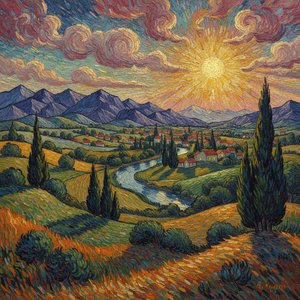
Beyond Impressionism: The Emotional Depth and Vibrant Evolution of Post-Impressionist Landscapes
Explore the profound evolution of Post-Impressionist landscapes. From Van Gogh's emotional brushwork to Cézanne's structural mastery, discover how these visionaries redefined art history through color and form in this expert guide for fine art enthusiasts.
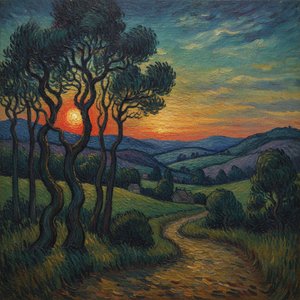
Beyond the Light: Capturing Raw Emotion and Subjective Vision in Post-Impressionist Landscapes
Explore the profound emotional depth of Post-Impressionist landscapes. Discover how masters like Van Gogh moved beyond light to capture raw human feeling through vibrant color and expressive texture in this expert art history retrospective.

Evocations of Place: A Historical Journey Through Landscape Art
Explore the rich history of landscape art with OriginalUniqueArt. Discover renowned artists, movements like Impressionism & Romanticism, and expert guidance for collecting timeless pieces. Find your perfect serene escape today!

Paul Cézanne: Las 25 Obras Maestras que Definieron el Arte Moderno | OriginalUniqueArt
Descubre las 25 obras maestras de Paul Cézanne que revolucionaron el arte moderno. Explora su técnica, inspiración y significado en paisajes, bodegones y retratos. Reproducciones de alta calidad para decorar tu hogar con arte inolvidable. ¡Explora la colección completa en OriginalUniqueArt.com!
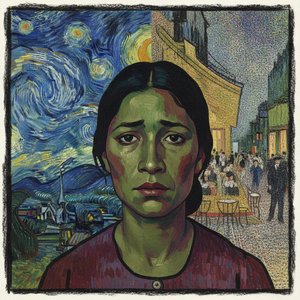
Beyond the Brush: How Post-Impressionism Recharged Modern Art with Bold Color and Raw Emotion
Dive into the high-energy revolution of Post-Impressionism. Discover how masters like Cézanne and Van Gogh traded fleeting light for bold colors and raw emotion, forever recharging modern art with the vibrant, structural intensity that defines today's most iconic visual aesthetics.
