
 Enviar
 Compartir
 Detalles

 Descargar
 Similares
 Presentación de diapositivas
 Estadísticas
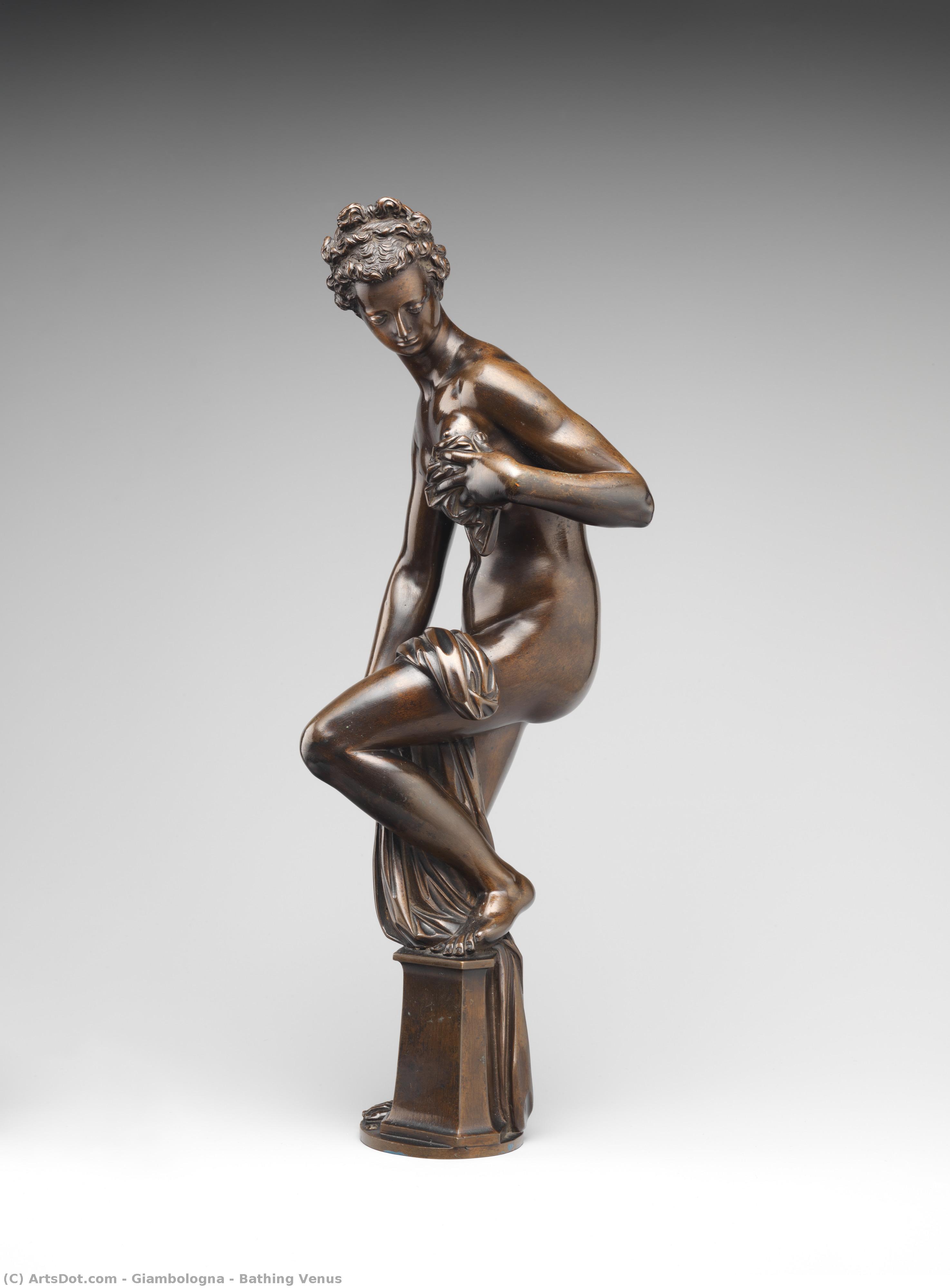
Bathing Venus


 Ver más
Giclée / Impresión de arte
Impresiones giclée o en lienzo de calidad de museo con producción rápida y opciones de acabado flexibles. ( Comprar pintura hecha a mano Cambiar a imagen digital)




































Elija entre nuestros tamaños predefinidos que respetan las proporciones originales de la obra.

Puede introducir sus propias dimensiones para adaptarse a un marco o espacio específico. Si el tamaño seleccionado no coincide con las proporciones de la imagen original, recortaremos la obra de arte o extenderemos la imagen con un borde con efecto espejo o de color sólido. Se enviará una maqueta digital para su aprobación antes de que comience la producción.
Tenga en cuenta que la vista previa en pantalla no refleja el recorte o la extensión real. Solo la maqueta mostrará con precisión la composición final.
Aunque existen tamaños personalizados, recomendamos seleccionar una dimensión de la lista predefinida para preservar las proporciones originales.
Envío a todo el mundo () en 2 semanas en lugar de las 4/5 semanas estándar. (8 septiembre)

Envío exprés gratuito a todo el mundo

Lienzo de lino de alta calidad

Seguro de envío total

Garantía de reembolso de impuestos aduaneros

Garantía de fidelidad cromática exacta

Política de devolución de 100 días (solo por defectos)

Garantía de devolución del 100% del dinero

Descuento por cantidad
 La opción de vidrio solo está disponible en tamaños inferiores a 110 cm.

Bathing Venus
Giclée / Impresión de arte
Dimensiones de la reproducción
-


Precio total final
$ 80
The Divine Embrace: Unveiling Giambologna’s “Bathing Venus”
Giambologna's "Bathing Venus," a bronze sculpture of breathtaking elegance and subtle sensuality, isn’t merely a depiction of a goddess; it’s an embodiment of the Renaissance fascination with classical ideals, a testament to masterful technique, and a poignant exploration of beauty itself. Created during the late 16th century, this captivating work transcends its historical context, offering a timeless allure that continues to resonate with viewers today. The sculpture captures Venus in a moment of serene contemplation – she’s not actively engaged in bathing, but rather luxuriating in the aftermath, her pose suggesting both vulnerability and quiet power.
The genesis of this iconic piece is rooted in the burgeoning humanist movement that swept through Europe during the Renaissance. Artists like Giambologna sought to revive the grandeur and idealized forms of ancient Greek and Roman sculpture, imbuing them with a distinctly new sensibility. He meticulously studied surviving classical statues, striving for an accuracy of proportion and anatomical detail rarely seen before. Yet, unlike the often-rigid formality of earlier Renaissance art, Giambologna’s Venus is imbued with a remarkable fluidity – her limbs are elongated, her drapery cascades in graceful folds, and her face remains partially obscured, inviting the viewer to complete the image with their own imagination.
The Alchemy of Bronze: Technique and Craftsmanship
Giambologna’s mastery lies not only in his understanding of classical forms but also in his innovative approach to bronze casting. He employed the lost-wax method, a painstaking process involving creating a wax model, encasing it in plaster, melting out the wax to create a mold, and then pouring molten bronze into the cavity. This technique allowed for incredible detail – the subtle variations in texture across Venus’s skin, the delicate folds of her garment, and the shimmering sheen of the polished surface are all testaments to Giambologna's skill.
Notably, Giambologna experimented with contrasting textures within a single piece. Some areas are deliberately left unfinished, retaining the roughness of the bronze itself, while others are meticulously smoothed and polished to a mirror-like finish. This juxtaposition creates a dynamic visual effect, drawing attention to the sculpture’s materiality and highlighting the artist's deliberate control over surface quality. The use of different patinas further enhances this effect, adding depth and richness to the overall composition.
Symbolism and the Renaissance Ideal
Beyond its technical brilliance, “Bathing Venus” is rich in symbolic meaning. Venus, as the goddess of love and beauty, represents not just physical attractiveness but also virtue, fertility, and prosperity – qualities highly valued during the Renaissance. The act of bathing itself carries significant weight; it’s a ritual of purification, renewal, and connection with nature. The partially veiled face adds an element of mystery, suggesting that Venus is both accessible and eternally distant.
Furthermore, Giambologna's choice to depict Venus emerging from the water subtly references classical mythology – echoing the image of Aphrodite rising from the sea foam. This connection to ancient narratives reinforces the sculpture’s status as a revival of classical ideals and its role in shaping the artistic landscape of the Renaissance. The overall composition speaks to an idealized vision of beauty, one that celebrates both physical grace and inner virtue.
A Timeless Masterpiece: Replicas and Enduring Appeal
“Bathing Venus” has captivated viewers for centuries, inspiring countless artists and designers. Its influence can be seen in the works of subsequent sculptors and painters, who continued to explore themes of beauty, mythology, and the human form. Today, high-quality reproductions offer a remarkable opportunity to experience this iconic masterpiece firsthand, bringing its elegance and serenity into homes and galleries worldwide. When selecting a reproduction, consider the materials used – bronze or resin are excellent choices that faithfully capture the sculpture’s texture and sheen—and ensure it is created by skilled artisans who understand Giambologna's meticulous approach.
Biografía del artista
Giambologna: El Escultor que Definió el Manierismo
Jean Boulogne, conocido más tarde como Giambologna (1529 – 1608), se erige como uno de los escultores más influyentes de los periodos del Renacimiento italiano y el Barroco. Nacido en Douai, Flandes —actual Francia—, su viaje artístico comenzó con estudios formativos bajo la tutela de Jacques Du Broeucq en Amberes, antes de emprender una traslado transformador a Roma en 1550. Allí, se sumergió en el legado de la escultura clásica y absorbió las innovaciones estilísticas defendidas por Miguel Ángel. Esta inmersión moldeó profundamente su distintivo estilo manierista, caracterizado por una exquisita sensibilidad hacia la textura de la superficie, una elegancia refinada y un alejamiento deliberado del fervor emocional predominante en el arte renacentista anterior.- Primeros años y formación: Las inclinaciones artísticas iniciales de Boulogne se nutrieron en el entorno arquitectónico de Amberes, dotándolo de habilidades fundamentales que resultarían invaluables durante sus estudios en Roma. Su contacto con las obras monumentales de Miguel Ángel instiló un profundo aprecio por la precisión anatómica y el dinamismo escultórico, principios que se convertirían en sellos distintivos de la obra de Giambologna.
- Influencia romana y mecenazgo: La estancia de Giambologna en Roma coincidió con el floreciente mecenazgo de la familia Médici, lo que le aseguró encargos que impulsaron su reputación artística y consolidaron su posición como un escultor líder de la época. La influencia de Miguel Ángel fue más allá de la mera imitación estilística; fomentó un compromiso filosófico con la consecución de la belleza idealizada a través de una observación meticulosa y una ejecución magistral.
El Estilo Manierista: Un Alejamiento de la Tradición
La visión artística de Giambologna rechazó decisivamente el equilibrio armonioso y la grandeza emotiva característicos de la escultura del Alto Renacimiento. En su lugar, abrazó el Manierismo, un movimiento estilístico que priorizaba la contemplación intelectual sobre la sensación visceral. Este enfoque se manifestó en varias características clave: figuras alargadas con proporciones sutilmente distorsionadas; drapeados atenuados que transmitían una sensación de precariedad; y un énfasis en el tratamiento decorativo de la superficie —particularmente en el mármol pulido— que lograba una luminosidad sin precedentes. Las esculturas de Giambologna no pretendían transmitir un impacto emocional inmediato, sino más bien provocar la reflexión sobre complejos conceptos filosóficos, reflejando las corrientes intelectuales más amplias de su tiempo. Empleó con destreza el contrapposto, una pose en la que el torso se inclina ligeramente lejos del espectador, creando una ilusión de movimiento y equilibrio, una técnica perfeccionada por Miguel Ángel y adoptada posteriormente por el propio Giambologna.- Énfasis en la textura de la superficie: Las esculturas de Giambologna son célebres por sus acabados superficiales extraordinariamente refinados, logrados mediante técnicas de pulido minuciosas que maximizaban la reflectividad y creaban un fascinante juego de luces y sombras.
- Composición dinámica y precisión anatómica: A diferencia de las formas idealizadas de Miguel Ángel, las figuras de Giambologna poseían un realismo inquietante: una distorsión deliberada de las proporciones anatómicas diseñada para aumentar la tensión expresiva y transmitir profundidad psicológica.
Obras Notables y Encargos
La prolífica producción de Giambologna abarcó tanto esculturas monumentales para espacios públicos como retratos íntimos, consolidando su legado como uno de los artistas más celebrados de su generación. Entre sus logros más destacados se encuentran:- <Fuente de Neptuno (Bolonia): En colaboración con Tommaso Laureti en este ambicioso proyecto —la pieza central de la Piazza Nettuno de Bolonia—, Giambologna creó una colosal escultura de bronce que representa a Neptuno, dios del mar, rodeado de figuras subsidiarias que encarnan diversos elementos de la mitología marítima.
- <El Rapto de las Sabinas (Florencia): Completada entre 1574 y 1582, esta obra maestra en mármol ejemplifica el dominio de la técnica manierista de Giambologna —particularmente el contrapposto— y captura la narrativa dramática de la leyenda romana con una precisión asombrosa.
- <Estatua de Mercurio (Florencia): La representación de Mercurio por parte de Giambologna —el dios mensajero— es celebrada por su pose elegante y su luminoso acabado superficial, encarnando el espíritu de la elegancia manierista y la contemplación intelectual.
Legado e Influencia
La influencia de Giambologna se extendió mucho más allá de su vida, moldeando las sensibilidades artísticas de las generaciones posteriores y estableciéndolo como una figura fundamental en la transición del arte renacentista al barroco. Sus innovaciones escultóricas —especialmente su exploración del movimiento dinámico y de figuras psicológicamente complejas— sirvieron de inspiración para artistas como Bernini y Caravaggio, quienes adoptaron los principios manieristas para forjar nuevas vías expresivas. La reputación perdurable de Giambologna da testimonio de su incomparable visión artística: un testamento de su capacidad para sintetizar los ideales clásicos con las sensibilidades humanistas en una experiencia estética singularmente cautivadora.
Giambologna
1529 - 1608 , Francia
Datos clave
- Artistic Movement Or Style: Mannerismo escultórico
- Artists Who Influenced This Artist: ['Miguel Ángel']
- Date Of Birth: 1529
- Full Name: Jean Boulogne
- Nationality: Flemish
- Notable Artworks:
- Mercurio
- Abducción de Sabinas
- Place Of Death: 1608
Artículos relacionados

Esculturas de Bronce Legendarias: 10 Obras Maestras que Transformaron el Arte | OriginalUniqueArt
Descubre las 10 esculturas de bronce más legendarias que revolucionaron el arte. Explora la historia de Rodin, Degas y otros maestros del bronce. Encuentra reproducciones de alta calidad e inspiración para tu hogar en OriginalUniqueArt.com.

The Enduring Legacy of Bronze: A Historical & Artistic Exploration for the Collector
Explore the rich history & enduring appeal of bronze sculpture with expert insights for collectors at OriginalUniqueArt. Learn about casting techniques, iconic artists, collecting tips & contemporary interpretations.
The Enduring Legacy of Bronze: History, Technique & Artistic Expression for the Collector
Explore the rich history & enduring appeal of bronze sculpture with expert insights for collectors at OriginalUniqueArt. Learn about casting techniques, iconic artists, and collecting tips.

Las 10 Obras Maestras de Bronce que Revolucionaron la Historia del Arte | OriginalUniqueArt
Descubre las 10 esculturas de bronce más influyentes de la historia del arte. Explora obras maestras de Rodin, Degas y otros genios. Encuentra reproducciones de arte de calidad museo en OriginalUniqueArt.com.

The Enduring Legacy of Bronze Sculpture: A Collector's Guide to Form & Cultural Significance
Explore the rich history & enduring appeal of bronze sculpture with expert insights for collectors at OriginalUniqueArt. Learn about casting techniques, iconic artists, and collecting tips to build a discerning art collection.


