

 Vista previa
 Compartir
 Compartir
 Ver detalles
 Guía
Guía

 Descargar
 Ver artículos similares
 Radiografía
 Presentación de diapositivas
 Estadísticas
Façade


 Leer más
Giclée / Impresión de arte
Impresiones giclée o en lienzo de calidad de museo con producción rápida y opciones de acabado flexibles. ( Encargar reproducción pintada a mano Ver versión en imagen digital)




P118B $10

P118H $10

P118W $10

P438Z $10

P508JH $12

P508YH $12

P805H $10

P805Z $10

P919BZ $10

P919G $10

P919XJ $10

P959ZH $10

P968JZ $12

W106C $8

W218G $10

W218JH $8

W218Y $10

W307PJ $10

W316G $10

W316PJ $8

W316Y $10

W398PJ $8

W4111J $10

W500HY $15

W500JH $15

W692G $12

W849H $8

W940BG $15

W953PJ $8




Elija entre nuestros tamaños predefinidos que respetan las proporciones originales de la obra.

Puede introducir sus propias dimensiones para adaptarse a un marco o espacio específico. Si el tamaño seleccionado no coincide con las proporciones de la imagen original, recortaremos la obra de arte o extenderemos la imagen con un borde con efecto espejo o de color sólido. Se enviará una maqueta digital para su aprobación antes de que comience la producción.
Tenga en cuenta que la vista previa en pantalla no refleja el recorte o la extensión real. Solo la maqueta mostrará con precisión la composición final.
Aunque existen tamaños personalizados, recomendamos seleccionar una dimensión de la lista predefinida para preservar las proporciones originales.
Envío a todo el mundo () en 2 semanas en lugar de las 4/5 semanas estándar. (25 septiembre)

Envío exprés gratuito a todo el mundo

Lienzo de lino de alta calidad

Seguro de envío completo

Garantía de reembolso de impuestos aduaneros

Garantía de fidelidad cromática exacta

Política de devolución de 100 días (solo por defectos)

Garantía de devolución del 100% del dinero

Oferta por volumen
 La opción de vidrio solo está disponible en tamaños inferiores a 110 cm.

Façade
Giclée / Impresión de arte
Tamaño de la reproducción
-


Precio total
$ 80
The Majesty of Façade: A Baroque Masterpiece by Giacomo della Porta
Giacomo della Porta’s “Façade,” conceived for the Chiesa del Gesù in Rome, stands as a pivotal moment in the evolution of Italian Baroque architecture. More than simply a building's exterior, it embodies the Counter-Reformation’s fervent desire to inspire awe and convey spiritual authority through meticulously crafted form and dramatic detail. Constructed between 1571 and 1575, this monumental façade isn’t merely decorative; it’s a carefully orchestrated dialogue between classical restraint and exuberant ornamentation – a testament to della Porta's mastery of balancing tradition with innovation.
The design immediately commands attention. The broad, symmetrical composition establishes a sense of stability and grandeur, reminiscent of Roman temples yet infused with the dynamism characteristic of the Baroque period. Della Porta deliberately moved away from the more restrained designs proposed by his predecessor, Giacomo Barozzi da Vignola, opting instead for a richer, more theatrical presentation. This shift reflects the broader artistic climate of Rome at the time – a city eager to assert its cultural dominance and reaffirm its commitment to faith following the Protestant Reformation.
A Symphony of Classical Elements
At first glance, “Façade” appears rooted in classical principles. The use of paired pilasters, creating vertical emphasis and visual rhythm, echoes the architectural vocabulary of ancient Greece and Rome. The two-tiered pediments crowning the central portal and flanking niches are a direct reference to Roman triumphal arches, imbuing the façade with an air of imperial power. However, della Porta doesn’t simply replicate classical forms; he transforms them through a masterful deployment of detail and ornamentation.
- The Central Portal: The grand central entrance is framed by elaborate Corinthian columns, their capitals adorned with intricate acanthus leaves. Above, a massive entablature supports a triangular pediment, culminating in a sculpted relief depicting Alexander the Great – a deliberate allusion to Rome’s imperial past and a subtle assertion of papal authority.
- The Niches: Flanking the central portal are two niches housing statues of St. Francis Xavier and St. Ignatius Loyola, the co-founders of the Jesuit order. These figures, rendered in marble, embody the core tenets of Jesuit spirituality – devotion, charity, and intellectual rigor.
- Scrollwork and Volutes: The corners of the façade are punctuated by volutes—decorative spirals that add a sense of movement and dynamism to the otherwise static composition. Similarly, intricate scrollwork adorns the frieze beneath the pediments, creating a visual feast for the eye.
Symbolism and Spiritual Intent
Beyond its purely aesthetic qualities, “Façade” is laden with symbolic meaning. The overall design reflects the Jesuit order’s commitment to spreading Catholicism throughout Europe. The prominent placement of religious figures—St. Francis Xavier and St. Ignatius Loyola—serves as a constant reminder of the church's mission. The use of classical motifs – particularly the reference to Roman imperial power – subtly reinforces the legitimacy of papal authority in the face of Protestant challenges.
Furthermore, the façade’s dramatic lighting effects contribute significantly to its spiritual impact. The carefully positioned niches and windows create a play of light and shadow that intensifies the sense of drama and mystery. This theatrical approach was deliberately employed by della Porta to draw worshippers into the church and evoke a sense of awe and reverence.
A Legacy in Stone
“Façade” remains one of Giacomo della Porta’s most celebrated works, exemplifying his unique synthesis of classical restraint and Baroque exuberance. It stands as a powerful symbol of Rome's artistic vitality during the Counter-Reformation, demonstrating how architecture could be used to communicate religious faith and assert cultural dominance. Today, it continues to inspire admiration for its masterful design, intricate detail, and profound symbolic meaning – a timeless testament to the enduring power of Baroque art.
Biografía del artista
El arquitecto del espíritu romano: La vida y el legado de Giacomo della Porta
Giacomo della Porta (1533–1602) fue mucho más que un simple constructor; fue un visionario cuyas manos e intelecto ayudaron a esculpir el alma misma de la Roma del Renacimiento tardío. Nacido en el sereno paisaje de Porlezza, Italia, su viaje desde aprendiz lombardo hasta convertirse en el arquitecto preeminente de la era manierista es un testimonio del poder transformador de la formación clásica. Bajo la mirada vigilante de su padre, Cristoforo della Porta, un hábil escultor, Giacomo aprendió el delicado lenguaje de la piedra y la forma. Esta temprana inmersión en las realidades táctiles de la escultura informaría más tarde su destreza arquitectónica, permitiéndole tratar edificios enteros como lienzos monumentales tridimensionales. Su talento se vio aún más encendido en los grandes talleres de la Catedral de Milán, donde la sombra del monumentalismo de Miguel Ángel cobraba gran importancia, enseñándole que la arquitectura podía alcanzar una grandeza divina y muscular. A medida que su carrera maduraba, della Porta se convirtió en una figura indispensable en las cortes papales de Pablo III y Pío IV. Poseía una capacidad poco común para cerrar la brecha entre la estética compleja y a menudo intelectualizada del Manierismo y el poder emergente y emotivo del Barroco. Su obra se caracterizó por una comprensión sofisticada de la proporción y un enfoque audaz hacia la innovación estructural, fuertemente influenciado por los principios de Vignola. Esta síntesis de orden clásico y movimiento dramático le permitió navegar las cambiantes mareas religiosas y políticas de la Contrarreforma, creando espacios que eran tanto intelectualmente rigurosos como espiritualmente abrumadores.Obras maestras de piedra y agua
El legado arquitectónico de della Porta se siente con mayor vitalidad en las calles y santuarios de Roma y Nápoles. Su contribución a la Chiesa del Gesù Nuovo se erige como la cúspide de su producción creativa. Al diseñar su fachada, se alejó de las superficies estáticas y planas hacia un juego dinámico de luces y sombras. Mediante el uso de complejos patrones geométricos e intrincados relieves escultóricos, transformó el exterior en una narrativa teológica, donde cada pilastra y frontón servía para dirigir la mirada del espectinto hacia los cielos. Este dominio de la fachada ayudó a establecer el estándar para gran parte de la arquitectura barroca que seguiría en los siglos venideros. Más allá de los muros de las iglesias, el genio de della Porta fluyó a través de las venas de la ciudad mediante sus magníficos trabajos hidráulicos. Comprendió que el agua era un elemento vivo del diseño urbano, capaz de aportar movimiento y vida a la pesada piedra de Roma. Su participación en la creación de fuentes icónicas, como la Fontana delle Tartarughe (Fuente de las Tortugas), muestra su capacidad para combinar la delicada escultura con la ingeniería funcional. En estas obras, se puede observar:- La integración perfecta de figuras mitológicas clásicas con un movimiento fluido y orgánico.
- Un profundo dominio de la acústica y el impacto visual del agua en cascada.
- El uso del detalle escultórico para crear momentos íntimos, a escala humana, dentro de un gran paisaje urbano.
Una impresión duradera en la Ciudad Eterna
La importancia histórica de Giacomo della Porta reside en su papel como titán de transición. Se situó en la encrucijada de las eras, sosteniendo la antorcha del Alto Renacimiento mientras iluminaba el camino hacia el Barroco. Su meticuloso trabajo en la reconstrucción de la cúpula de la Basílica de San Pedro aseguró que el sitio más importante de la cristiandad poseyera la integridad estructural y la majestad estética requeridas por su estatus. A través de sus esfuerzos, el lenguaje arquitectónico de Roma se convirtió en uno de fuerza, drama y profunda permanencia. Incluso en sus contribuciones escultóricas más detalladas, como los intrincados elementos que se encuentran en la Fuente de Atlas, della Porta demostró una obsesión con la condición humana y el peso del mito clásico. Su capacidad para dotar al mármol frío de la tensión del músculo y la gracia del movimiento sigue siendo un sello distintivo de su estilo. Hoy, cuando caminamos por los centros históricos de Italia, no estamos simplemente pasando junto a edificios; nos movemos a través de una experiencia curada de espacio y emoción diseñada por un hombre que veía el mundo como una obra maestra en progreso. La obra de su vida permanece como un diálogo perdurable entre el peso terrenal de la piedra y las aspiraciones etéreas del espíritu humano.
Giacomo Della Porta
1533 - 1602 , Italia
Datos clave
- Artistic Movement Or Style: Mannerismo
- Artists Who Influenced This Artist:
- Miguel Ángel
- Vignola
- Date Of Birth: 1533
- Full Name: Giovanni Battista della Porta
- Nationality: Italiano
- Notable Artworks:
- Madonna e Bambino
- Facciata
- Fontanina
- Place Of Birth: Porlezza, Italia
Artículos relacionados

Drama Barroca: Llevando la Grandeza y la Emoción a los Interiores Contemporáneos
Descubre cómo el drama y la grandeza del arte barroco pueden transformar tus interiores. Guía experta, inspiración y reproducciones de alta calidad en .
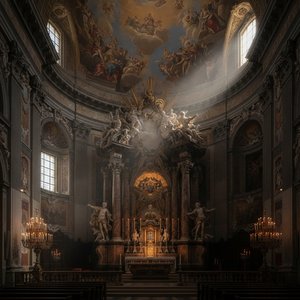
Drama and Light: Discover the Captivating Grandeur of Baroque Art
Immerse yourself in the dramatic splendor of Baroque art. Explore the profound impact of light, shadow, and the Counter-Reformation through an expert historical lens, celebrating the masters who defined an era of unparalleled grandeur and emotional intensity.

Barroco Sublime: 10 Obras Maestras que Definieron una Época |
Descubre las 10 obras maestras del Barroco que marcaron una época. Caravaggio, Bernini y Velázquez cobran vida en . Reproducciones de arte de calidad museo para decorar tu hogar con elegancia. ¡Explora la colección online!

The Dramatic Flourish: Exploring the Baroque Movement's Enduring Legacy in Art History
Explore the dramatic world of Baroque art! Discover iconic artists like Caravaggio & Rubens, defining techniques, and its lasting impact on art history. Expert insights for collectors & enthusiasts at OriginalUniqueArt.
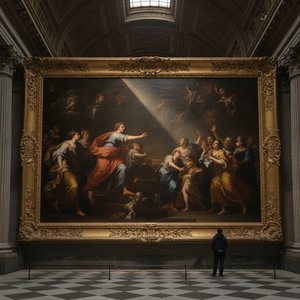
Drama and Light: A Definitive Guide to the Power and Emotion of Baroque Art
Explore the dramatic power of Baroque art through an expert guide to light, shadow, and emotion. Discover how the Counter-Reformation shaped 17th-century masterpieces and learn about the profound techniques used by the Old Masters to inspire awe.